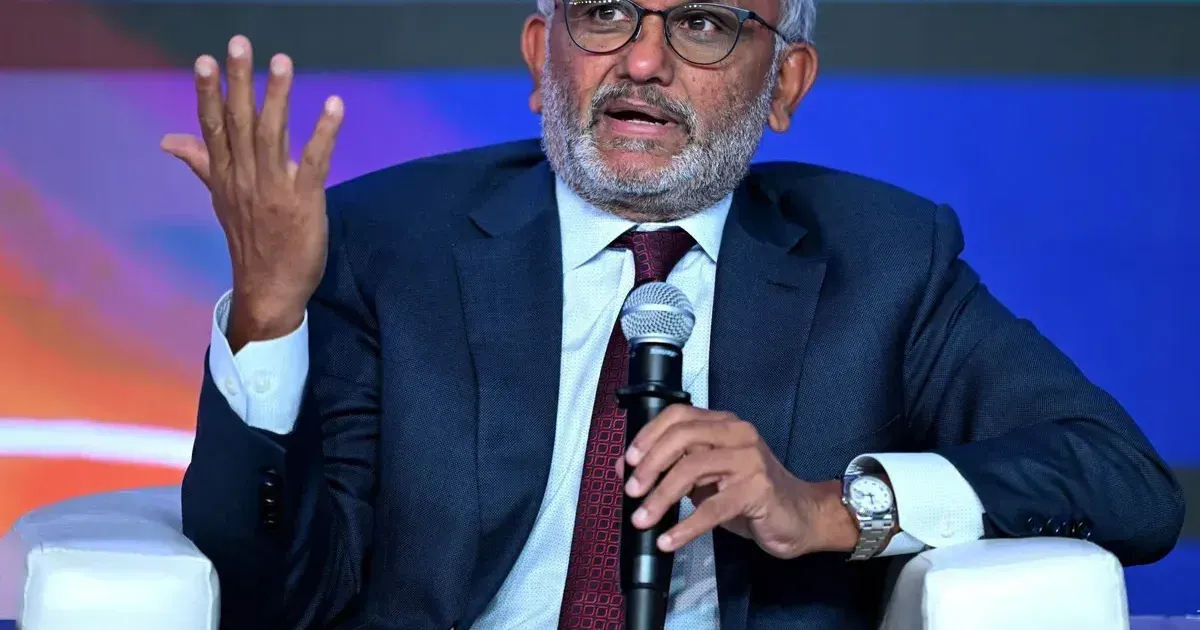
Narayen Leaves After the Cloud Era
Shantanu Narayen will vacate the chief executive office at Adobe later this year, ending an eighteen-year tenure that transformed the company from a box-software vendor into a cloud powerhouse. The announcement arrived alongside a quarterly earnings report that beat analyst expectations but failed to satisfy a market hungry for aggressive artificial intelligence expansion. Narayen intends to remain chair of the board while the company searches for a successor to lead its next phase of development. On March 13, 2026, the leadership change marked a handoff from the cloud transition to the AI transition. Adobe faces a moment of intense scrutiny as newer competitors threaten its long-held dominance in creative software. Frank Calderoni, the lead director, will work with Narayen and the rest of the board to identify a candidate capable of maintaining the current momentum.
The departure comes as the firm reported first-quarter fiscal 2026 earnings per share of 6.06 dollars, which cleared the consensus estimate of 5.87 dollars. Revenue reached 6.4 billion dollars.
The transition is also a product problem. Adobe has to decide which AI features belong inside Photoshop, Illustrator and Premiere, and which should become separate services with their own pricing logic. That distinction matters because professionals often resist tools that interrupt established production habits.
Legal comfort may be just as important as speed. Agencies and publishers want to know whether generated material can survive client review, copyright scrutiny and brand-safety checks. If Firefly can answer those questions more clearly than cheaper rivals, Adobe can defend premium pricing even as the market fills with low-cost generators.
Adobe Faces an AI Transition
The result represented a 12.1 percent increase from the previous year. This performance of consistent growth was bolstered by record first-quarter cash flow of 2.96 billion dollars, a figure that Dan Durn, the chief financial officer, attributed to subscription resilience across creativity and productivity tools. Earnings statements highlighted that annualized revenue from products focused primarily on artificial intelligence tripled compared to 2025.
Narayen noted in a memo to employees that the mission to empower creators is larger opportunity now that content powers all experiences in the machine learning era. Subscription revenue grew by 13 percent, yet investors reacted coolly to the news.
The business behind these figures remains heavily reliant on legacy subscriptions rather than the explosive new user acquisition some analysts anticipated. Revenue guidance for the second quarter sits between 6.43 billion and 6.48 billion dollars.
The next leader therefore inherits a company with enviable distribution and unusually high trust risk. Creative workers are willing to pay for dependable software, but they are less willing to fund automation that makes authorship feel disposable.
Creative Software Enters a Harder Market
That range sits slightly above the 6.42 billion dollars forecast by market analysts. Adjusted earnings are expected to fall between 5.80 and 5.85 dollars per share. Despite these solid projections, the stock fell 1.43 percent in after-hours trading. Investors seem to be seeking a more aggressive posture against startups that are moving beyond traditional creative tools.
The risk is that the company’s old strengths can become its new constraints. Designers pay Adobe because its tools are reliable, familiar and deeply embedded in professional workflows. AI features must improve that workflow without making subscribers feel that the software is training on or replacing the labor that gave the platform its value. The next leader also has to persuade investors that AI can expand margins without turning professional customers into reluctant beta testers. Narayen’s tenure gave Adobe a durable subscription base, but it also trained Wall Street to expect predictable growth from a mature creative software franchise. The AI phase is less predictable. Customers want speed, legal clarity and control over their work, while competitors are offering cheaper generation tools that do not require a full professional suite. That puts the next CEO in a narrow lane: defend Adobe’s premium position while proving that generative features create new value rather than simply automating tasks users already know how to do.
The strategic problem is not whether Adobe can add AI buttons to familiar products. It is whether the company can make those tools feel trustworthy enough for professional work. Agencies, photographers, designers and publishers need licensing clarity, consistent outputs and workflow control. If Adobe solves that, AI becomes another reason to stay inside Creative Cloud. If it fails, customers may treat the new features as expensive clutter. Narayen’s successor will also inherit a pricing problem. Subscription software gave Adobe recurring revenue, but it made customers more sensitive to every increase. AI features can justify higher prices only if they save time in ordinary production work, not just in demos. That means the next phase will be judged by export deadlines, client revisions and legal comfort as much as by model quality. The company’s advantage is distribution: millions of professionals already open Adobe tools every day. Its risk is that those same users will resist any change that makes creative control feel less personal. The leadership change therefore lands at a delicate moment: Adobe has to look aggressive enough for investors and careful enough for the creative workers who built its market. The successor will also need to explain how human authorship remains visible inside faster, more automated production systems. That explanation matters because Adobe’s brand has always depended on professionals believing the software extends their skill. If AI makes that relationship feel extractive, the business case weakens even when the technology works. The company’s next chapter therefore depends on trust as much as model speed, pricing discipline and creator confidence.
That balance will define the transition for Adobe's next leader. That makes communication part of the product. Adobe cannot simply ship AI features and assume professionals will understand the bargain. It has to explain data use, licensing boundaries, opt-out controls and how generated assets fit inside commercial work that may be reviewed months after delivery.