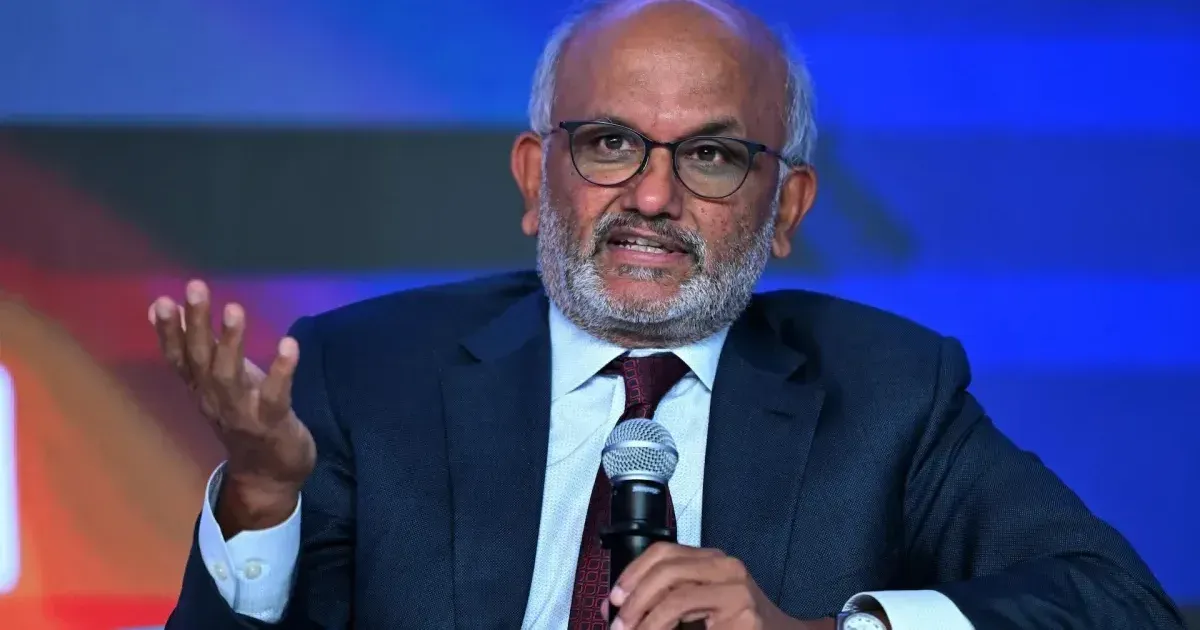
March 13 marked a sweeping day for two of the most recognizable names in the American corporate sector. Adobe and Peloton each disclosed significant maneuvers aimed at arresting long-term declines and repositioning for a volatile economic climate. Markets reacted with immediate volatility to news that Shantanu Narayen would step down from his role leading Adobe, while Peloton shares collapsed yet again. These developments illustrate a deepening crisis among former high-growth tech darlings struggling to maintain relevance. Narayen helped transform Adobe from a traditional boxed-software vendor into a subscription-based cloud juggernaut over his 20-year tenure. His departure comes as the firm grapples with a rapidly shifting competitive field dominated by generative artificial intelligence. Board members confirmed that Narayen will remain as chair to oversee the transition to a successor. Internal sources indicate the search for a new chief executive will prioritize candidates with deep experience in machine learning and neural networks. Adobe faces a battle to defend its Creative Cloud dominance against nimble, AI-first competitors. But the software giant is not the only company facing an existential crossroads this week. Peloton Interactive announced a drastic revision to its turnaround efforts after its stock price cratered by nearly 60 percent in recent trading sessions. Executives at the fitness brand now plan to pivot away from their previous broad-market approach. Strategy documents reveal a renewed focus on premium treadmill hardware and a complete overhaul of current marketing initiatives. This tactical retreat reflects the harsh realities of the post-pandemic fitness industry.
Adobe and Peloton Reset Strategy
Software developers and graphic designers have long viewed Adobe as the industry standard for professional creative work. Yet the rise of generative AI tools like Midjourney and OpenAI's video models has shaken the foundations of that monopoly. Investors increasingly worry that the traditional Photoshop suite could be rendered obsolete by automated content generation tools. Adobe recently integrated its own Firefly AI models into core products to counter this threat. These efforts have so far failed to convince skeptical shareholders of the company's long-term moat. Narayen leaves behind a legacy defined by massive market cap expansion and the successful acquisition of Figma, though the latter was eventually blocked by regulators. That failed merger cost the company $1 billion in termination fees and left a hole in its collaborative software strategy. Competitive pressures from Canva and other web-based platforms continue to erode Adobe's lead in the prosumer segment. Most analysts believe the next leader must accelerate the integration of automation tools to prevent further customer churn. Recent quarterly reports show a slowing growth rate in the Digital Media segment.
The company is rethinking its comeback strategy to focus on what made it a household name in the first place.
And the numbers tell a cautionary story for any incumbent software firm. Adobe's price-to-earnings ratio has contracted sharply since the peak of the 2021 bull market. Shares have underperformed the broader Nasdaq index for three consecutive quarters. Institutional investors are demanding a clearer roadmap for how AI will drive revenue rather than just increasing operational costs. The company plans to release its next generation of video editing tools later this spring.
Leadership Changes Signal Pressure
Peloton executives are facing a different set of pressures involving physical inventory and consumer spending habits.
Management shakeups often precede radical changes in corporate direction.
Peloton is also reevaluating its top-tier talent as it prepares for the treadmill-centric pivot. Several key engineers from the hardware division were recently promoted to lead the new product lifecycle. These internal moves suggest a lack of confidence in external hires who failed to fix the company's supply chain issues. The board of directors has met three times in the last month to discuss emergency financing options. Cash reserves are dwindling as the company continues to burn through capital to support its logistics network. Shipping costs for heavy equipment have risen by 12 percent since January. The coming months will be a period of intense scrutiny for both firms. Adobe must prove it can innovate faster than the open-source community. Peloton must prove that it can sell hardware in a market where consumers are returning to physical gyms. Neither company has a significant margin for error given the current state of their balance sheets. Investors are increasingly favoring companies with positive free cash flow over those promising future growth. Several hedge funds have increased their short positions against Peloton this week.
Consumer behavior has shifted permanently since the height of the global health crisis. People are spending more on travel and experiences than on home office upgrades or home gym equipment. This macroeconomic trend has punished firms that over-expanded in 2020 and 2021. Companies like Zoom and Etsy have faced similar valuation resets. Adobe's challenge is different but equally daunting because its core product is being commoditized by algorithms. Automation is reducing the time required for creative tasks, which may eventually lead to fewer individual licenses sold. The subscription model faces its toughest test since its inception.
Meanwhile, the broader tech sector is watching these two cases as proxies for the health of the digital economy. If a titan like Adobe can be disrupted by AI, no software company is safe. If a premium brand like Peloton cannot survive the return to normalcy, the entire connected-hardware category may be in jeopardy. Both companies are attempting to reinvent themselves while under the glare of public markets. Their success or failure will dictate how venture capitalists allocate funds to similar startups in the future. The era of cheap money and endless growth is over. $15 billion in total market value evaporated across the tech sector on Friday alone.
Turnarounds Need More Than New Titles
Will the resignation of Shantanu Narayen be remembered as the moment the old guard of software officially surrendered to the machines? His departure is a classic exit strategy for a leader who knows the peak has passed and the descent will be ugly. Adobe is an empire built on the sand of legacy tools in a world where a teenager with a prompt can outperform a trained designer. Keeping Narayen as chair is a hollow gesture meant to soothe institutional investors while the foundation crumbles. It is not a transition; it is an evacuation.
Peloton, by contrast, is a tragic comedy of hubris and mismanagement. Betting the house on treadmills when your bikes are collecting dust in garages across America is a desperate gasp for air.