Oscar Ad Inventory Sells Out
Advertising interests secured a victory before the red carpet as Hollywood enters its final countdown for the 98th Academy Awards. Disney already has a financial win in the books. John Campbell, senior vice president of entertainment and streaming solutions at Disney Advertising, confirmed in a Thursday interview that the network finalized sales for every available commercial slot.
The March 15 telecast will reach viewers alongside a roster of major corporate partners, including Mazda and Burger King. By March 12, 2026, the commercial side of the March 15 telecast was effectively settled. Advertisers spent millions to secure their presence in the glitzy broadcast, though Campbell declined to disclose the specific cost for a 30-second window. Disney finalized these deals earlier than in previous years.
High demand from the automotive and fast-food sectors helped clear the inventory well before the stars arrive at the Dolby Theatre. Mazda plans to sponsor segments highlighting independent filmmakers, while Burger King will integrate its brand through specific shout-outs during the ceremony. Corporate sponsorship now threads through the very fabric of the evening, moving beyond simple commercial breaks into the live production itself.
Profit margins now dictate the rhythm of artistic recognition. Brand integration strategies have changed how the Academy manages its airtime. By selling out inventory early, Disney ensures a stable revenue stream regardless of the actual television ratings. Analysts at Variety suggest that the inclusion of Mazda-backed segments serves to soften the blow of blatant commercialism, framing corporate spending as a form of artistic patronage. Critics often point out that these partnerships can influence the tone of the broadcast, favoring upbeat, family-friendly moments that satisfy corporate sponsors over the grit of serious cinema.
Awards Predictions Shape the Race
Jessie Buckley sits at the top of the Best Actress predictions as the ceremony approaches. Clayton Davis, Variety’s chief awards editor, suggests that her performance has outpaced the competition in a way that makes her victory seem almost inevitable.
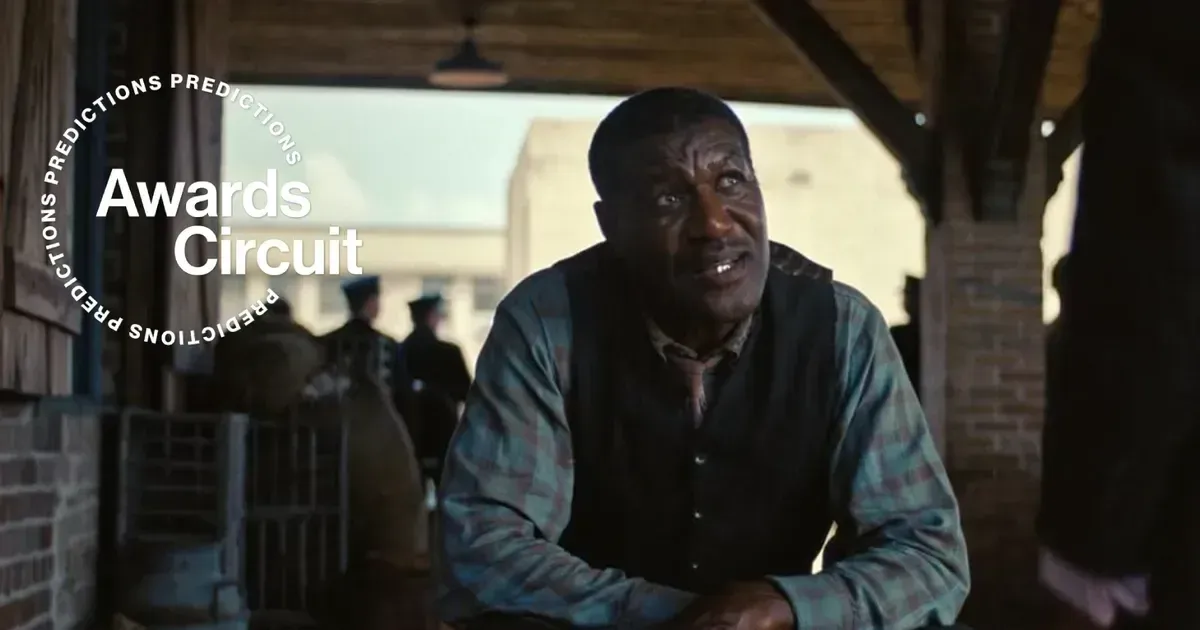
Buckley’s rise through the awards circuit followed a series of strong showings at smaller festivals, building momentum that the major studios could not ignore. Her potential win would cement her status as a powerhouse in the industry, marking a swift ascent for the Irish actress. Delroy Lindo currently leads the race for Best Supporting Actor, though his path remains a subject of intense debate among pundits.
Davis compares Lindo’s current trajectory to the 2001 victory of Marcia Gay Harden. History shows that an actor with a long, respected career can suddenly find themselves in the right role at the right time, capturing the Academy’s imagination through a combination of merit and overdue recognition. This individual brings a level of gravitas to his film that has resonated deeply with voters across both coasts. Predicting an Oscar winner involves more than watching the film. Voter sentiment often swings on narratives of career longevity rather than the specific quality of a single performance. Lindo’s work has been consistently praised for decades, yet he has rarely found himself in the winner’s circle. If he secures the statue on Sunday, it will validate a career spent in the trenches of character acting. While some suggest that younger contenders might pull off an upset, the current standings reflect a clear preference for Lindo’s veteran presence.
Sponsors Move Into the Show
Industry insiders rely heavily on the Variety Awards Circuit section to gauge the temperature of the race. Clayton Davis curates these predictions based on a rigorous analysis of previous guild awards and historical voting patterns.
These pages do not reflect personal favoritism but serve as a mathematical projection of where the votes currently sit. Such projections often become self-fulfilling prophecies, as undecided voters frequently look to these lists to see who has the best chance of winning before they cast their ballots. Voters often feel pressure to align with the perceived frontrunner to avoid wasting their vote on a long shot.
This strategy highlights the power that trade publications hold over the actual outcome of the ceremony. Variety’s influence remains unmatched in this regard, with its prediction pages serving as the unofficial bible for the awards season. If Buckley and Lindo indeed take home the prizes, it will further solidify Davis’s reputation as the preeminent voice in Oscar forecasting. Studio publicists work around the clock to influence these very predictions. Millions of dollars go into For Your Consideration campaigns, which include private screenings, luxury gift bags, and extensive interview tours. This connection relies on a delicate balance between genuine artistic achievement and the sheer force of marketing budgets. When Disney announces a sellout in ad inventory, it signals that the entire ecosystem of the Academy Awards is operating at peak commercial efficiency. Producers for the Sunday event have hinted at a return to a more traditional format. The goal involves keeping the audience engaged through a faster pace, aided by the aforementioned brand integrations. Mazda’s sponsorship of filmmaker segments suggests a focus on the craft of cinema, even if the primary driver is selling cars. Burger King’s involvement remains a more curious choice for a high-fashion event, though it reflects a desire to reach a broader, more diverse demographic than the typical prestige film audience. Network executives believe that these partnerships are necessary to sustain the high production costs of the Oscars. Without these multi-million dollar deals, the scale of the ceremony would inevitably shrink. The 2026 telecast aims to prove that the Academy can still draw a massive audience in a fractured media world. Success will be measured not just in golden statues, but in the social media engagement surrounding the Mazda shorts and the Burger King mentions.