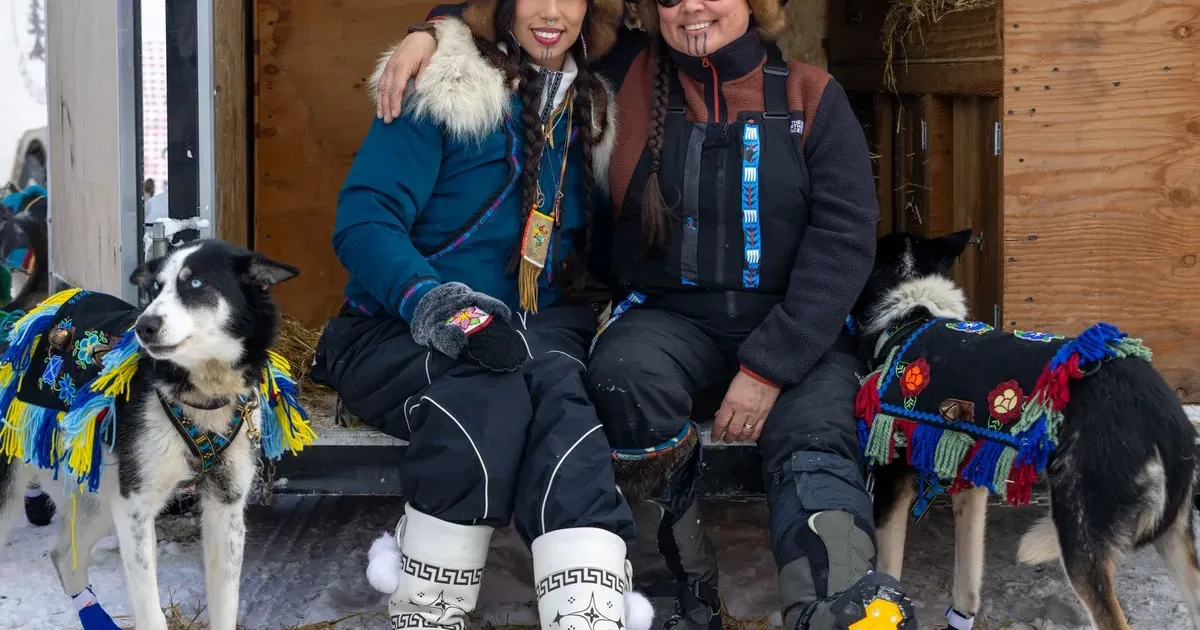
Alaska Native mushers are using the Iditarod trail to put ancestral dog-team culture, ceremonial art and Indigenous endurance back at the center of a race built on northern survival.
Ancestral Threads on the Tundra
Anchorage, Alaska, remains the focal point of the sled dog world every March, but the atmosphere surrounding the 2026 Iditarod feels fundamentally different. Icy winds whipped across the starting line as mushers prepared their teams for the thousand-mile journey to Nome. Jody Potts-Joseph, a Han Gwich'in subsistence harvester and veteran musher, stood quietly beside her team of huskies. The report was published March 11, 2026, as the race's cultural meaning drew renewed attention. Her presence here carries a weight that transcends the clock, representing a deliberate effort to center Indigenous identity within a race that has often marginalized its own originators.
Mushing exists as a lived reality for the Gwich'in people rather than a mere hobby or professional pursuit. She describes the bond with her dogs as an extension of family and survival in the Arctic. This year, Potts-Joseph chose to honor that bond by outfitting her team in ceremonial dog blankets. Her sled was more than a piece of sporting equipment, it became a moving gallery of Han Gwich'in artistry. Each blanket featured intricate beadwork and dentalium shells, materials that have signified wealth and status in Alaska Native cultures for centuries.
Dentalium shells once traveled vast trade routes from the Pacific coast to the interior of Alaska and Canada. These items represent the resilience of Indigenous economies. Historically, Indigenous mushers used functional blankets to protect their dogs from the elements, but ceremonial versions were reserved for special arrivals or potlatch gatherings. Such blankets serve as a visual language, communicating tribal affiliation and family history through specific floral patterns and color choices.
Culture is not a costume.
Sled dog racing in its modern competitive form often traces its roots back to the 1925 Serum Run to Nome. While many history books focus on Leonhard Seppala and his lead dog Togo, the actual trail relies on a network of paths established by Alaska Native people long before the arrival of Western explorers. This legacy of the trail is often overlooked in the flurry of corporate sponsorships and live-streamed commentary. Native mushers were the original mail carriers and freight haulers of the North, using their knowledge of the land to sustain isolated communities during the harshest winter months.
Echoes of the 1925 Serum Run
Nome was saved by the endurance of dogs and the expertise of men who understood the language of the wind. Gold seekers had flocked to the region decades earlier, yet they relied entirely on the Indigenous methods of transportation to move supplies. Mail carriers moved across the frozen Norton Sound with a precision that modern technology still struggles to replicate in extreme sub-zero temperatures. Dogs were the lifelines of the interior, and the bond between musher and pack was a prerequisite for staying alive.
Modernity brought challenges that nearly erased these traditions. PETA and other animal rights organizations have increased pressure on the Iditarod, leading to a significant withdrawal of major corporate backers. Declining prize purses and the rising cost of dog food have made it difficult for local Alaskan mushers to compete against well-funded professional kennels. Corporate interests often prioritize the spectacle over the substance of the sport. Still, Native mushers like Potts-Joseph are using the platform to redirect the narrative toward conservation and cultural pride.
Survival requires more than speed.
Indigenous communities see the dogs as partners in a seasonal cycle that includes hunting, fishing, and gathering. Potts-Joseph has been vocal about the importance of passing these skills to the next generation, including her daughter, the world-renowned model and activist Quannah Chasinghorse. Her daughter has frequently used her global platform to highlight the environmental and social issues facing the Han Gwich'in people. Ancestral knowledge is being repurposed for a modern audience, ensuring that the sound of paws on snow remains a permanent fixture of the Alaskan wilderness.
March 2026 presents a crossroad for the Iditarod as it grapples with its identity in a changing climate. Spectators line the streets of Anchorage to catch a glimpse of the teams before they disappear into the vast interior. Mushing remains the official state sport, yet its future depends on a return to its roots. It is no longer enough to just run the race, the participants must also carry the stories of the land they traverse.
What the Race Must Remember
Rethinking the Iditarod means looking past the finish line at a race that might be running out of road. Corporate sanitization has nearly choked the life out of this event, turning a grueling test of northern survival into a televised product that major sponsors are now too timid to touch. While animal rights groups scream about cruelty from their climate-controlled offices in the lower forty-eight, they ignore the biological reality of the working husky. These dogs were bred for the trail, and their displacement from active mushing is a form of cultural erasure that few are brave enough to call out. Indigenous mushers like Jody Potts-Joseph are the only reason this race still deserves our attention. Rather than celebrating the fastest time to Nome, we should be interrogating why it took so long for the Gwich'in and other Alaska Native nations to be treated as anything other than background scenery for a settler-colonial fantasy. If the Iditarod dies because it loses its bankroll, let it. What will remain are the people who never needed a trophy or a sponsor to know the value of a dog team. Instead of a sport, they will still have a life.