Amazon’s latest discounts on LG gaming monitors and RayNeo AR glasses show how premium hardware is being pulled into faster price competition.
March 11 Price Correction Hits Premium Tech
March 11 arrived with a flurry of pricing adjustments on Amazon that caught industry analysts off guard. On March 11, 2026, high-end peripherals typically maintain their premium status until major holidays, yet today saw a sharp decline in the cost of top-tier LG and RayNeo hardware. Consumers who spent months tracking these specific models found themselves looking at record lows that appeared without the usual marketing fanfare. Retailers often use these sudden windows to move stock before quarterly reports, and the current reductions are among the most aggressive seen this year.
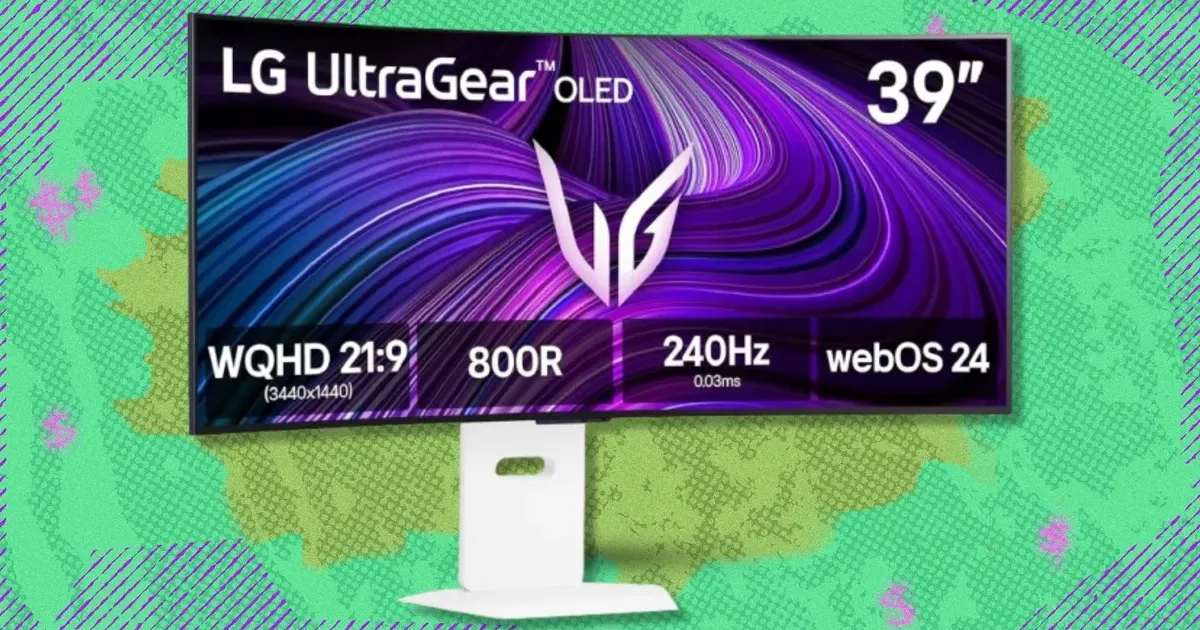
LG's 39-inch UltraGear OLED curved gaming monitor serves as the centerpiece of the hardware correction. A list price of $1,599.99 formerly gated this device behind a steep financial wall, but a 45 percent discount has dragged the cost down to $876.99. Enthusiasts seeking the 800R curve and 240Hz refresh rates now find themselves looking at a sub-900 dollar investment. Such a price drop on a premium ultrawide display indicates a high level of competition in the display market. Other retailers are struggling to match this price point, as the internal economics of shipping 39-inch curved panels often limit how much margin sellers can sacrifice.
Response times of 0.03ms distinguish this display from the crowded field of older IPS and VA panels. Pure blacks and infinite contrast ratios define the OLED experience, making it a sought-after commodity for professional editors and competitive gamers alike. While Bloomberg suggests manufacturing efficiencies drive these drops, Reuters sources claim oversupply in the ultrawide segment forced LG to permit these aggressive Amazon price cuts. The self-emissive pixels in the UltraGear panel eliminate the need for a backlight, allowing for a thinner chassis and better heat management. Gamers playing fast-paced titles rely on these specs to eliminate ghosting, a common issue in larger displays.
Speed defines the modern gaming experience.
Competition in the curved monitor space has intensified sharply over the last fiscal quarter. Samsung and Alienware have both pushed their own OLED offerings, but LG remains the primary manufacturer of the panels themselves. Selling their own branded units at a massive discount might signal a strategic pivot to clear inventory before the next generation of 480Hz panels hits the market. Most high-end users have already migrated to 1440p or 4K, leaving the 39-inch ultrawide niche as a battleground for value. By pricing the UltraGear under $900, LG effectively forces the hand of every other ultrawide manufacturer on the market.
RayNeo Enters the Value Segment with AR Discount
Augmented reality glasses represent the other side of the March sale event. RayNeo Air 4 Pro glasses reached an all-time low of $249 through an on-page coupon system. Dropping $50 from the standard $299 price point places these AR wearables in the category of accessible tech for early adopters. Users simply tick an orange coupon box to access the savings, a tactic Amazon uses to maintain the appearance of a higher MSRP while still driving volume. RayNeo has positioned these glasses as a portable alternative to bulky headsets, focusing on a lightweight frame that resembles traditional sunglasses.
AR technology has struggled with adoption due to high entry costs and bulky designs. RayNeo seeks to solve the former by undercutting the competition while maintaining high-resolution output. Such a price point invites curiosity from mobile professionals who need a private screen while traveling. This design choice focuses on the plug-and-play nature of USB-C connectivity, making the glasses compatible with most modern smartphones and laptops. Industry giants like Meta and Apple have dominated the high-end conversation, yet RayNeo's move toward the $250 mark could secure the loyalty of the mid-range consumer base.
Integration of AR glasses into daily workflows remains the ultimate goal for RayNeo. These glasses aim to replace the multiple-monitor setup with a virtual workspace, a task that requires both clarity and comfort. March 11 pricing makes that experiment sharply less risky for a professional looking to ditch their desk. Early reviews of the Air 4 Pro suggest that the optics have improved over the previous generation, with less blurring at the edges of the virtual screen. If the adoption rate continues to climb at this lower price, AR might finally move beyond its reputation as a niche gaming accessory.
Hardware is only as valuable as the people who can afford it.
Consumer habits in 2026 reflect a growing skepticism toward high-cost luxury tech. Tech buyers increasingly wait for these specific windows of opportunity, refusing to pay full price for devices that iterate every twelve months. Amazon's algorithmic pricing responds to this hesitancy by deploying deep discounts that force other retailers to follow suit or lose market share. Industry experts often point to the March slump as a period where consumer spending dips after the tax season begins but before spring sales. Retailers use these deep cuts to keep their logistics chains moving, as sitting inventory is a constant drain on resources.
Future-proofing remains a primary concern for those spending nearly $900 on a monitor. LG's 39-inch UltraGear provides enough bandwidth and speed to remain relevant for several years, even as GPU technology advances. It balances the extremes of resolution and refresh rate in a way that few other displays manage. Buyers who jump on these deals today are likely securing hardware that will stay at the top of the performance charts until the next major shift in display technology occurs. Whether it is the immersive 800R curve or the portable convenience of AR glasses, the current Amazon discounts represent a rare moment where high performance meets mid-range pricing.
Consumer Tech Readout
Stop pretending that these price cuts are a gift to the consumer. Amazon and LG aren't slashing prices because they care about your framerates or your immersion. They are panicking. The era of the bloated MSRP is gasping its last breath as buyers finally realize that a 39-inch piece of glass shouldn't cost as much as a used car. We are looking at a market where premium is a meaningless label slapped onto products that lose half their value in six months. This is not a sale; it is a liquidation of old ideas. If RayNeo has to drop its price to $249 just to get people to wear its hardware, the AR dream is in deeper trouble than the marketing departments will admit. Consumers are getting smarter, and the tech giants are coming under pressure. The reality is that these all-time lows will be the all-time highs of tomorrow. Stop celebrating a 45 percent discount and start questioning why it was ever $1,600 to begin with. The retail machine is broken, and today's price tag is the only honest thing about it.