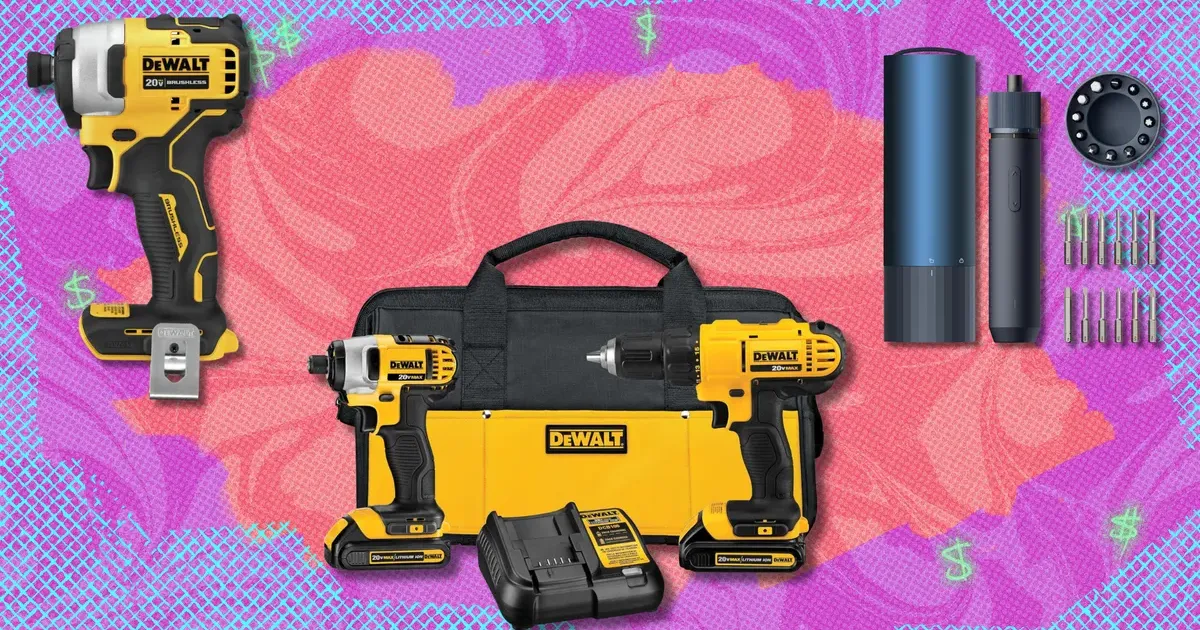
Amazon and Walmart are turning spring into a more aggressive retail battleground for tools, trackers and home technology. The price war matters because spring discounts now shape shopping behavior before the larger holiday cycle. Retailers are using the sale window to test which categories still move quickly. On March 28, 2026, both companies were promoting steep seasonal discounts designed to pull shoppers into categories that usually build momentum closer to summer. The headline offers were straightforward: DeWalt cordless tools on Amazon, Apple AirTags and household brands at Walmart.
The deals matter because they show how major retailers are using spring sales to create urgency outside the traditional holiday calendar. Amazon’s Big Spring Sale gave the DeWalt 20V MAX Cordless Drill Driver Set a prominent price cut, while Walmart countered with discounts on Apple accessories and other recognizable brands. The competition is less about one item than about where consumers begin their shopping session. Retailers want that first click. Once a shopper arrives for a drill or AirTag, the cart can expand into batteries, storage, small appliances or travel accessories. That is why spring promotions often feature practical products rather than luxury splurges. They attach to projects people are already planning.
The strategy also helps retailers smooth demand between peak seasons. Instead of waiting for summer travel, back-to-school or Black Friday, spring sales create another moment for inventory movement. That can be useful when warehouses hold older models or when brands want attention before competitors dominate the next shopping cycle.
Amazon Uses DeWalt Discounts to Win Project Shoppers
Amazon’s DeWalt pricing is aimed at homeowners, contractors and DIY buyers who are preparing for warmer-weather repair work. A lower entry price on a cordless drill set can pull customers into the wider battery ecosystem. Once a shopper owns a compatible battery platform, future tool purchases are more likely to stay within the same brand family.
That ecosystem logic makes tool discounts especially powerful. The retailer is not only selling one drill. It is encouraging a long-term pattern of replacement batteries, impact drivers, saws and accessories. A record-low or near-record-low price can therefore function as customer acquisition for both Amazon and the tool brand. For consumers, the practical question is whether the deal matches the intended use. A homeowner hanging shelves does not need the same specifications as a contractor drilling daily. The best sale price is still a poor purchase if the buyer is paying for capacity they will not use or buying a kit that lacks the battery and charger setup they need.
Tool deals also require attention to bundle structure. A bare tool can look cheaper until the missing battery and charger erase the savings. A kit can look more expensive upfront while offering the better value for a first-time buyer. Sale coverage often highlights the headline price, but the real comparison is the total setup cost.
Walmart Leans on Apple and Household Brands
Walmart’s AirTag promotion targets a different kind of shopper: someone preparing for travel, family logistics or everyday item tracking. A four-pack discount is designed to make the product feel like a household utility rather than a single gadget. Keys, luggage, backpacks and shared family items all become use cases.
The retailer’s broader spring sale also leans on familiar names such as Dyson, Shark, Ninja and JLab. Brand recognition lowers hesitation in a crowded online sale. Shoppers may not know every model number, but they recognize categories and manufacturers. That familiarity is crucial when a promotion is time-limited. Walmart’s advantage is that it can connect online discounts to a mass-market reputation for practical household buying. Amazon’s advantage is search depth and speed. The spring retail fight is therefore a contest between discovery and trust: who shows the shopper the deal first, and who makes the purchase feel safest.
What Shoppers Should Watch in Spring Sales
Spring discounts are often tied to inventory timing. Retailers may be clearing older models, creating demand before summer or matching a competitor’s price quickly. None of that makes a deal bad. It does mean shoppers should check model numbers, included accessories and historical pricing before assuming every discount is exceptional.
Algorithmic pricing also makes patience harder. A price can move within hours as retailers respond to each other. That favors shoppers who know the product they want before the sale begins. It hurts shoppers who browse under pressure and buy because a countdown says time is running out. The stronger approach is simple: treat the sale as an opportunity, not an instruction. A DeWalt kit at a deep discount is useful if it fits a real project. AirTags are worthwhile if the household has items that need tracking. The retail war between Amazon and Walmart will continue, but the consumer only wins when the discount serves an actual need. That means checking whether the same item is cheaper elsewhere, whether a newer model is replacing it and whether the advertised savings are based on a realistic regular price. For tool buyers, the most important comparison is often the ecosystem cost over time. For tech-accessory buyers, it is whether the product will be used often enough to justify even a discounted price. A disciplined shopper can use the retail war without being used by it. The discount is only a win when the item would have made sense at a normal price too.