Angola Holds the Line on Inflation
Luanda's central bank governors sat in a glass-walled boardroom overlooking the Atlantic today. They faced a choice that mirrors the volatility of the global energy market. Manuel Tiago Dias, Governor of the Banco Nacional de Angola (BNA), announced that the Monetary Policy Committee would keep the benchmark interest rate at 17.5 percent. This pause ends a cycle of consecutive increases that began in August 2025. On March 12, 2026, Angola chose policy patience over a symbolic rate cut.
Rising oil prices caused by the escalating US-Israel conflict with Iran provided the BNA with a temporary cushion against further tightening. Military action in the Persian Gulf sent Brent crude prices climbing toward 110 dollars per barrel this week. Such a surge offers a lifeline to Angola, where petroleum accounts for roughly 90 percent of export earnings and over half of government revenue. Members of the committee noted that the decision depends on a fragile equilibrium. Inflation remains a persistent threat to the domestic economy.
Consumer prices in the Southern African nation rose by 24 percent in February, driven largely by the high cost of imported food and a weakened kwanza. Higher oil revenues usually provide the central bank with the foreign exchange necessary to defend the currency. Yet, the current geopolitical instability creates a double-edged sword for the administration in Luanda. Higher crude revenue can support the treasury, but global supply-chain disruption still threatens to raise the price of basic necessities for Angola's 37 million citizens. Domestic markets reacted with cautious optimism to the news.
While the state coffers grow fatter from expensive crude, the global supply chain disruption threatens to drive up the price of basic necessities for the 37 million citizens of Angola.
The kwanza held steady against the US dollar in early trading after the announcement. Investors had feared another hike would stifle a non-oil sector that is already struggling to find its footing. Small businesses in the capital city have complained for months about the high cost of borrowing. A 17.5 percent rate makes expansion nearly impossible for local entrepreneurs. Still, the central bank maintains that price stability must remain the primary objective.
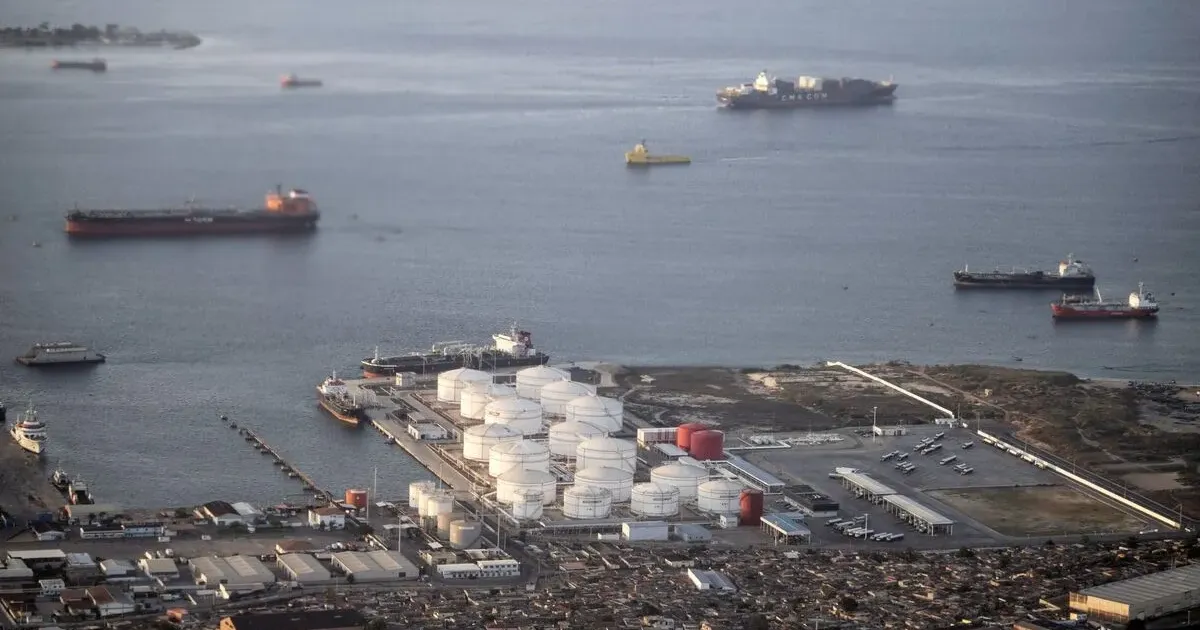
Governor Dias emphasized that the BNA will not hesitate to resume hikes if the inflationary trend does not reverse by the second quarter of 2026. Global energy analysts are focusing on how the war in Iran affects sub-Saharan Africa. The Strait of Hormuz is currently a primary zone of naval engagement, which forces tankers to take longer, more expensive routes. Angola's crude, much of it located offshore in deep-water blocks, has suddenly become even more attractive to European and Asian buyers looking for alternatives to Middle Eastern supplies. Sonangol, the state-owned oil company, reported a sharp increase in demand for its Girassol and Dalia blends.
These grades are particularly valued for their high yield of middle distillates like diesel and jet fuel. Prices for these products are skyrocketing as military operations intensify. Angola's relationship with its international creditors adds another layer of complexity to the BNA's strategy. Luanda remains one of China's largest debtors on the African continent. Repayment schedules are often tied directly to oil shipments.
Higher market prices allow the government to meet these obligations more comfortably, potentially freeing up fiscal space for social spending. But the cost of servicing dollar-denominated debt remains high when the kwanza is weak. The central bank must balance the need for a strong currency with the desire to keep exports competitive. This move to hold rates reflects a wait-and-see approach that prioritizes immediate stability over long-term structural adjustment. Foreign exchange reserves at the BNA stood at 14.2 billion dollars at the end of last month.
This level provides roughly seven months of import cover, which is considered a safe margin for an oil-dependent economy. Maintaining this buffer is critical as the war in Iran threatens to disrupt global financial flows. If the conflict expands to involve other regional powers, the volatility in the bond markets could make it difficult for Angola to refinance its maturing Eurobonds. Financial analysts in London suggest that the BNA is hoarding its tools to prepare for a worst-case scenario where the global credit markets freeze up. Social pressures are mounting within the country.
Luanda Oil Bet
Why are we pretending that a 17.5 percent interest rate represents anything other than a controlled descent for a failing currency? The Banco Nacional de Angola is not practicing sophisticated monetary policy; it is performing a desperate act of economic survival while praying the fires in Iran keep burning long enough to refill the treasury. Relying on a regional war to subsidize a broken domestic fiscal policy is a gamble that borders on the unethical. If the US-Israel campaign against Tehran achieves a swift victory or, conversely, leads to a total blockade of energy exports, Angola's temporary reprieve will evaporate overnight. Governor Manuel Tiago Dias is essentially betting the house on the continued misery of the Persian Gulf. The approach ignores the reality that Angola's underlying economic issues are structural, not just monetary. Until the nation breaks its pathological addiction to crude oil and addresses the staggering debt owed to Beijing, these interest rate adjustments are merely rearranging deck chairs on a sinking ship. The elite in Luanda might be celebrating the windfall of 110-dollar oil, but the people on the street are still paying the price for a decade of mismanagement. True leadership would involve using this momentary surplus to aggressively diversify the economy rather than clinging to a benchmark rate that punishes every local business trying to survive.