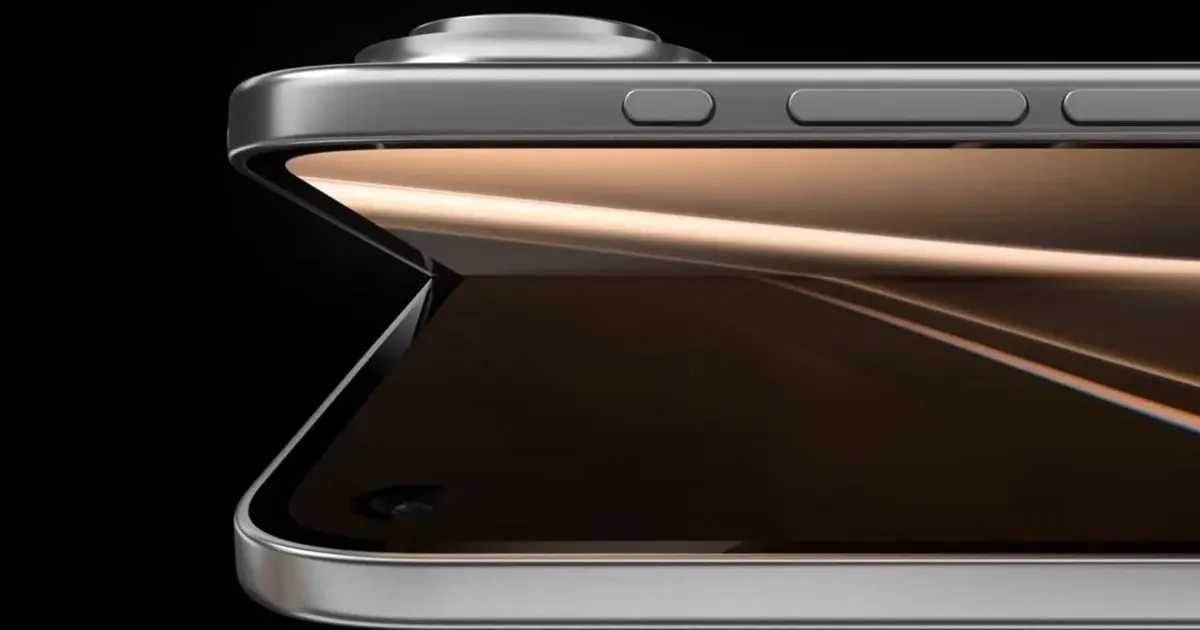
Apple's hardware strategy is shifting toward ultra-thin and folding designs, suggesting the company is looking for more visible ways to make mature devices feel new again. The strategy drew attention because Apple's biggest categories are now old enough that annual upgrades can feel incremental to many users. By March 12, 2026, a thinner device or folding form factor created a clearer story. The harder question was whether that story survives daily use.
Design as Upgrade Logic
Apple has often used design changes to reset consumer expectations. A thinner laptop, a lighter tablet or a new screen shape can make a product feel different before the software is even opened. That is why ultra-thin hardware matters strategically. It gives the company a visible reason to talk about engineering progress in categories where speed and camera gains may no longer be enough. Folding designs could do something similar by changing how a device moves between phone, tablet and productivity roles.
Engineering Tradeoffs
Thinness is never free. Battery size, thermals, port selection, repairability and durability all become harder when every millimeter is contested. Folding devices add hinge reliability, crease visibility, software adaptation and cost to the list of problems Apple must solve before a product can feel mainstream. The company has an advantage because it can wait until components and manufacturing processes mature. It also has a risk: waiting too long can let rivals define the category.
Market Pressure
The smartphone and laptop markets are no longer in their early growth phase. Many users keep devices longer because the old upgrade cycle feels less urgent. A form-factor shift can loosen that resistance if it solves a real problem. A foldable device that merely looks impressive may not be enough; it has to make reading, work, travel or media use better. Price will matter as much as design. Premium users may pay for novelty, but broader adoption depends on whether the new hardware feels durable and useful.
Hardware Test
Apple's next hardware cycle will be judged by balance. Thinness must not feel fragile, and folding must not feel like a compromise disguised as innovation. Developers will also matter because new form factors need software that makes use of the shape. Hardware alone cannot carry the experience indefinitely. The strategic shift is clear: Apple is trying to make physical design exciting again. The test is whether thinner and folding devices feel better in the hand, not only better in a launch presentation. The shift also reflects a practical problem for Apple: mature devices are already excellent for many users. Cameras, chips, screens and battery life improve every year, but the improvements can feel invisible to people who upgrade less often than the company would like. Thin and folding hardware gives Apple a more obvious story. It creates a visible reason to reconsider the device category itself, not just the specifications inside it. That can be powerful if the design feels useful rather than ornamental. The risk is that thinness has a mixed history. Users like lighter devices, but they dislike compromised battery life, heat limits or repairs that become more expensive. Apple will need to show that industrial elegance does not arrive at the expense of everyday durability.
Foldables bring a different test. Competitors have already taught consumers what can go wrong: visible creases, fragile hinges, software awkwardness and high prices. Apple often enters a category later, but late entry creates expectations that the basics should feel solved. Software will matter as much as hardware. A folding device only makes sense if apps, multitasking and continuity take advantage of changing screen sizes. Without that, the product risks becoming a novelty that opens and closes without changing how people work.
The supply chain also has to support the strategy. Ultra-thin components, flexible displays and hinge systems require manufacturing discipline at scale. A design that works in a controlled demo must survive millions of units and years of use. Apple's brand gives it room to wait, but not unlimited room. If the company appears too cautious, it can look less inventive. If it moves too aggressively, it can damage the trust that makes premium pricing possible.
The next cycle will therefore be judged by usefulness. The question is not whether Apple can make devices thinner or foldable. It is whether those choices make the product feel meaningfully better after the first week. The repair question will be watched closely because thin devices can make service harder. Regulators and consumers are increasingly sensitive to products that look elegant but become costly or wasteful when a battery, hinge or screen fails.
Apple also has to think about product hierarchy. If a foldable device overlaps with both iPhone and iPad use cases, pricing and software limits will determine whether it expands the ecosystem or merely shifts sales from one category to another.
That makes the strategy less about novelty than portfolio design. A successful folding device would need a clear job inside Apple's lineup, not just a dramatic reveal.
The company has done this before by waiting until a category could be simplified for mainstream users. The question is whether folding screens are now mature enough for that treatment, or whether the compromises remain too visible for Apple's standards.