Apple's camera warning is a small interface change with a larger message about machine judgment.
The same week, hiring data pointed to renewed demand for people who can direct and supervise automated coding systems.
The camera alert is small but user-facing. Apple is turning hardware maintenance into software guidance. Apple engineers pushed a new camera maintenance alert to millions of devices on April 6, 2026, forcing a confrontation between hardware precision and user habits. Hardware diagnostics now monitor the physical clarity of the sapphire crystal covering the iPhone camera sensors. Users who attempt to capture images through a layer of fingerprint oil or pocket lint receive an immediate notification advising them to clean the glass before proceeding. System logs indicate the software identifies specific diffraction patterns caused by smudges to trigger the warning.
Computational photography algorithms rely on clean input to execute the complex multi-frame merges that define modern mobile imagery. Distorted light entering a soiled lens creates artifacts that the neural engine cannot easily reconcile with its training data. Critics of the update suggest the move reflects an increasingly paternalistic approach to consumer electronics design. Software designers at the company argue that the feature prevents user frustration by ensuring high-quality results at the point of capture. Previous iterations of the operating system simply allowed the user to take a blurry photo and suffer the consequences in post-production. Now, the device intervenes during the composition phase. Data collected from early beta testers shows a measurable decrease in flare-heavy photos after the implementation of the alert. Internal studies at the Cupertino headquarters identified dirty lenses as a leading cause of perceived hardware failure among casual photographers. Apple continues to prioritize hardware longevity and image fidelity through these intrusive software prompts.
If a flagship device produces hazy photos, the user often blames the sensor rather than their own hygiene. The software intervention eliminates that ambiguity by placing the responsibility back on the person holding the device.
Software Engineer Job Market Growth
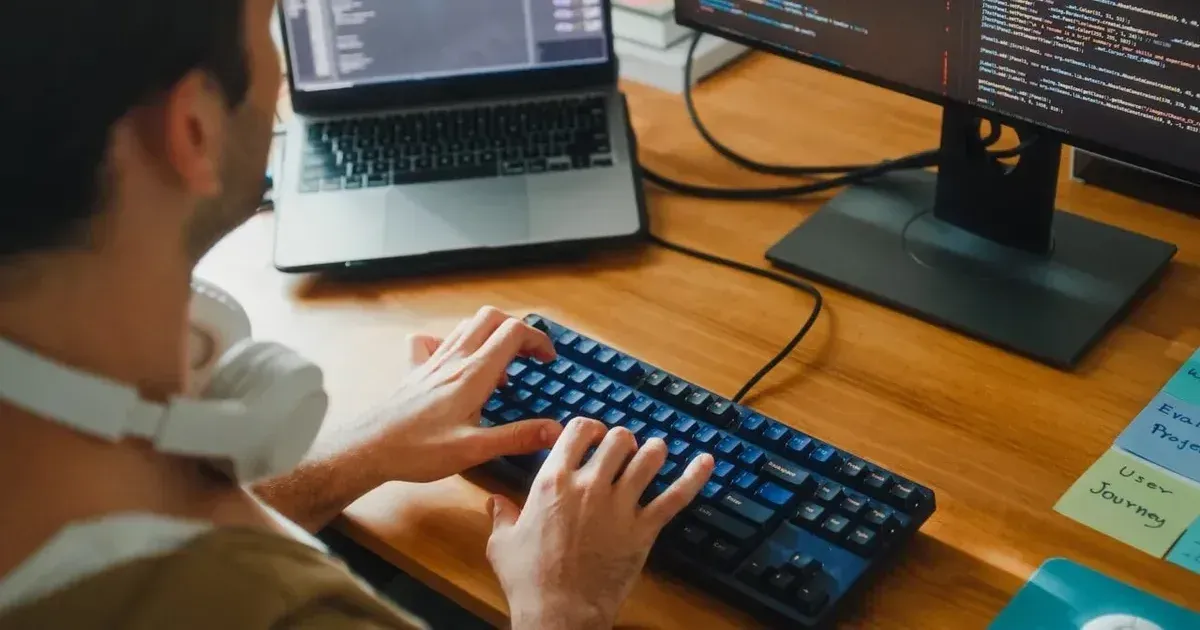
Parallel to these consumer hardware updates, the labor market for technical talent has experienced a sudden and meaningful expansion. Statistics released early in the second quarter show that software engineer job listings increased by 30% across major platforms. Recruitment firms describe the surge as a reversal of the contraction seen during the previous two fiscal years. Firms that previously froze hiring are now competing for specialists who can integrate artificial intelligence into legacy systems. Market demands for developers who understand both high-level architecture and automated code generation are at a three-year high. Projections from the Department of Labor confirm that technical roles are outpacing other professional services in growth rate.
The shift in the job market reflects a fundamental change in how companies view the role of the developer within a generative ecosystem, according to a report from Gizmodo.
Investment in software infrastructure continues to dominate corporate spending as businesses transition to agentic workflows. Large language models have not replaced human developers, as some predicted, but have instead increased the volume of code that needs human oversight. Companies are seeking individuals who can manage the output of these automated systems. This leads to a higher volume of open positions for senior architects and security-focused programmers. The complexity of modern software stacks requires a level of human intuition that the current generation of tools cannot replicate. Industry data suggests that the fear of large technical displacement was premature.
Impact of Vibe Coding on Industry
Recruiters frequently mention a phenomenon known as vibe coding to explain the shift in hiring requirements. This term describes a method where developers use natural language prompts and intuitive descriptions to guide automated coding assistants. Instead of focusing on low-level syntax, the engineer acts as a director of the creative process. Success in this environment requires a deep understanding of logic and system design without writing every line manually. Job descriptions now prioritize the ability to articulate complex problems in plain English. Startups are particularly aggressive in hiring for these roles to accelerate their product cycles. Traditional computer science curricula are already adapting to include courses on prompt engineering and model oversight.
Vibe coding has effectively lowered the barrier to entry for certain types of application development. Small teams can now build and maintain platforms that would have required dozens of engineers five years ago. This efficiency has not reduced the total number of jobs because the demand for new software has grown to fill the capacity. Every industry, from agriculture to logistics, is seeking custom internal tools that leverage the latest diagnostic capabilities. The 30% increase in job listings reflects this widespread appetite for bespoke digital solutions. Developers are no longer restricted to tech-centric firms and are finding lucrative roles in the broader economy. High-performance computing remains a specialized field, but the general software market is expanding through these accessible methodologies.
Hardware Precision versus User Habit
The intersection of strict hardware requirements and a growing labor market highlights a central tension in the technology ecosystem. Apple demands that users maintain their devices to a professional standard to achieve the promised performance. Simultaneously, the job market is shifting toward a more intuitive, less rigid approach to creation. These two trends seem contradictory at first glance. One enforces physical discipline through software alerts, while the other relaxes technical discipline through natural language programming. Both, however, serve the goal of improving the relationship between humans and machines. The user cleans the lens to allow the silicon to perform its best work. The developer uses prompts to allow the AI to generate its best code.
Maintenance alerts on the iPhone are a precursor to more advanced device self-diagnostics. Future hardware will likely notify users of battery degradation, thermal throttling, and sensor drift in real-time. It creates a feedback loop where the device dictates its own care. In the job market, the feedback loop consists of the developer and the code assistant refining their shared output. Both scenarios involve a shift in authority toward the system. The machine knows when the lens is dirty, and the coding assistant knows how to structure the function. Human intervention is required only to clean the glass or to approve the final logic. Efficiency gains in both areas are driving the current wave of technological optimism.
Device Guidance and Labor Demand
Apple’s warning and the hiring rebound point to the same change: software is taking a more active role in diagnosing problems and proposing solutions. That does not eliminate human responsibility. A cleaner lens still depends on the person holding the phone, and AI-generated code still depends on engineers who can test, secure and reject weak output.
The useful skill in both cases is judgment. Device alerts can prevent avoidable failures, while coding assistants can increase output, but neither system can decide what quality, safety or accountability should mean. The 30% rise in listings suggests companies still need people to make those decisions even as more routine work is automated.