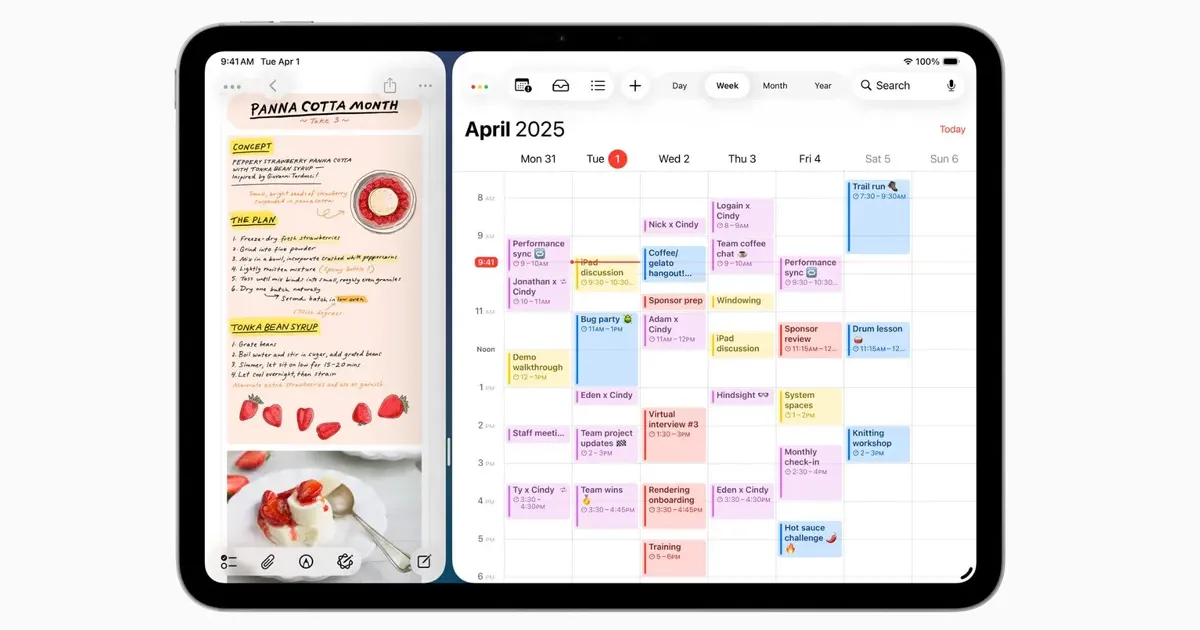
Apple's reported foldable iPhone plans point to a familiar company strategy: enter a category late, then try to make the experience feel more polished than the early versions. The leaks arrived after years of speculation about whether Apple would enter the category. The hardware push drew attention on March 12, 2026, as leaks suggested a device built around a larger folding display and tablet-style multitasking. The promise is clear. A foldable phone could carry like an iPhone and open into something closer to a small productivity tablet.
Why Multitasking Matters
Foldables are not compelling just because they bend. They need software that makes the extra screen space feel necessary. For Apple, the most important feature may be tablet-style multitasking: split views, floating windows, better document handling and smoother movement between phone and tablet workflows. That would fit Apple's ecosystem because many users already move between iPhone, iPad and Mac. A foldable could become a bridge for people who want more space without carrying another device.
Hardware Questions
The hinge, display crease, battery life and durability will define the product's credibility. Apple users may tolerate high prices, but they will expect the device to feel sturdy and refined. The company also has to manage thickness and weight. A foldable that feels awkward as a phone or compromised as a tablet could struggle despite strong branding.
App Ecosystem
Developers will need clear layout rules if Apple wants the larger display to matter. Apps that simply stretch will not justify a premium device. The best use cases are likely to involve email, notes, video calls, maps, document review, photo editing and side-by-side messaging. Those workflows need to feel native rather than forced.
Market Test
A foldable iPhone would not need to sell like the standard model to matter. It could function as a premium tier that tests new interaction patterns and protects Apple's position at the high end. The risk is that consumers see it as expensive novelty. Apple has to show that the fold is not the feature; the work made possible by the fold is the feature. Apple's timing also reflects patience. The company has watched rivals test foldables, absorb durability criticism and teach consumers what the category might be useful for. Entering later gives Apple a chance to avoid early mistakes, but it raises expectations. A foldable iPhone would likely sit at the top of the price ladder. That means the product cannot merely be interesting; it has to feel dependable enough for people who use their phone as a primary work and personal device. The software challenge may be harder than the hinge. Apple has to decide how iOS behaves when the screen expands, how apps shift layouts and whether the experience feels closer to iPhone, iPad or something between the two. Battery life will also shape perception. A larger display invites longer sessions, video calls and multitasking, all of which can expose weakness if the device cannot last through a normal day. Developers will follow Apple's lead. If the company provides strong tools and a clear interface model, apps can adapt quickly. If not, the device risks becoming a premium screen for apps that were not designed for it. That is why the product is strategically important even if initial sales are modest. It could define how Apple thinks about the next decade of mobile productivity.
A foldable iPhone would also test Apple's ability to make complexity feel ordinary. Competitors have already shown that the hardware can work, but Apple's brand depends on making the experience feel inevitable rather than experimental.
That raises the bar for durability. A crease, hinge concern or fragile inner display may be tolerated by early adopters elsewhere, but Apple buyers will expect a premium device to survive daily use without feeling like a prototype.
The multitasking question is equally important. If the unfolded screen simply enlarges iPhone apps, the product may feel expensive but not transformative. If it supports tablet-like work without becoming awkward, it could open a new category inside Apple's lineup.
Apple will also have to manage cannibalization. A successful foldable could overlap with iPad mini, premium iPhone and even some lightweight productivity use cases, forcing the company to define what each device is for.
The first version may sell in limited volume, but its strategic value could be larger than its unit count. It would show whether Apple sees the future of mobile computing as a single slab, a tablet-phone hybrid or a family of shape-shifting screens.
If the company solves that, a foldable iPhone could become more than a hardware experiment. It could become Apple's next argument for why the phone remains the center of personal computing.