Formula 1 enthusiasts across the United States are pivoting toward a specific digital loophole on March 27, 2026, to access the upcoming Japanese Grand Prix without paying a subscription fee. Amazon currently enables this entry point by offering a 7-day free trial of the Apple TV+ channel through its Prime Video interface. Fans who have avoided the rising costs of traditional cable or standalone racing passes are using this window to capture the action at Suzuka Circuit. This specific arrangement highlights a broader fragmentation of sports broadcasting where tech giants leverage high-profile events to inflate trial registration numbers.
Subscription models for premium motorsport have grown increasingly complex as the 2026 season progresses. Many viewers find themselves forced to juggle multiple apps to follow a full calendar, yet the current offer provides a brief reprieve from the financial burden. Accessing the Japanese Grand Prix requires an active Amazon Prime membership, which then allows the user to add the secondary channel trial at no immediate cost. The timing of the Suzuka race makes it a strategic target for those seeking to maximize the seven-day period before the automatic billing cycle begins. Reliability remains high for these integrated streams, which often provide 4K resolution that surpasses traditional cable feeds.
Amazon Prime Channels Enable Free Japanese GP Access
But the mechanics of the trial require careful management by the consumer to avoid a recurring charge once the race concludes. Users must navigate to the Prime Video Channels section and manually select the Apple TV+ add-on to trigger the promotional window. And once the 7-day period expires, the standard monthly rate applies unless the user terminates the agreement beforehand. Some veteran streamers suggest setting digital alerts immediately after the podium ceremony to ensure the trial does not transition into a paid commitment. It is a calculated game of cat and mouse between the platform and the frugal viewer.
Still, the ease of integration through existing hardware like Fire TV sticks or Roku devices has made this the preferred method for casual fans. For instance, the setup takes less than three minutes for those who already have their payment information stored on the retail giant's platform. This streamlined onboarding process is a foundation of the modern streaming economy. In fact, the surge in trial sign-ups often correlates with the most anticipated races on the calendar, including the high-speed challenges of the Japanese track. Digital analysts note that these promotional windows are a primary driver for quarterly subscriber growth figures.
On another front, the broadcast quality provided through the Apple TV+ integration has received praise for its stability during peak load times. Racing fans often experience lag or stuttering on smaller, niche platforms during the start of a Grand Prix, yet the infrastructure backing the Amazon servers tends to handle the large concurrent traffic with efficiency. The $0.00 price tag for the weekend is a powerful incentive for those who might otherwise turn to pirated streams of lower quality. By offering a legitimate, high-definition alternative for free, the platforms are actively combating illicit viewing habits while simultaneously harvesting user data for future marketing efforts.
Mercedes Intra-Team Rivalry Drives High Digital Demand
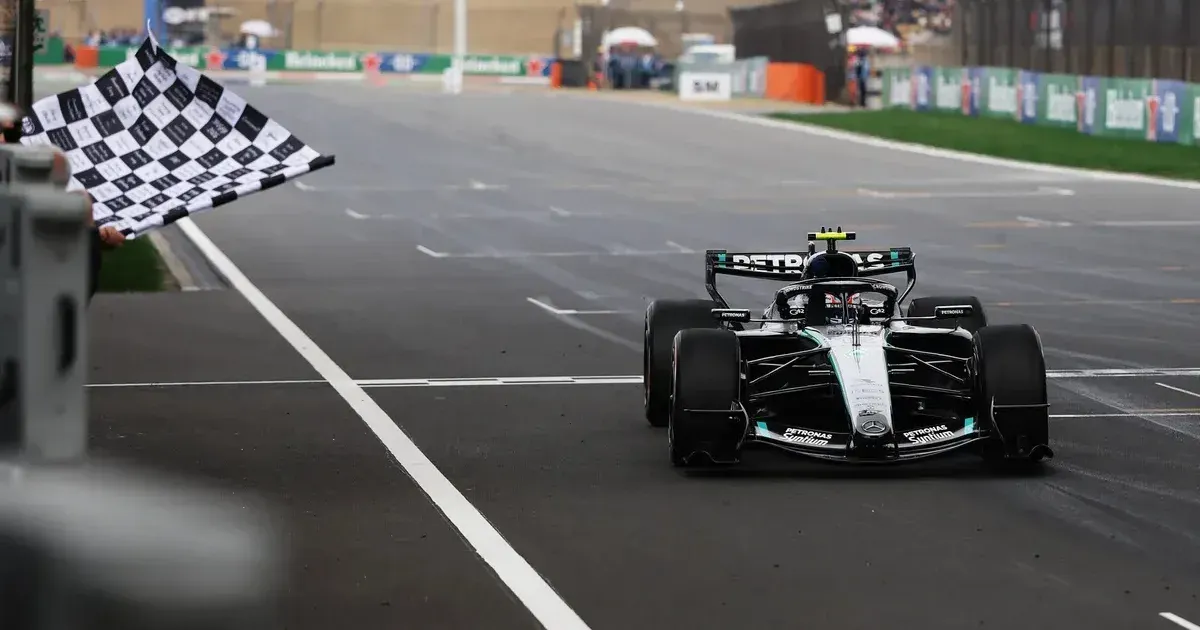
Meanwhile, the on-track drama in the 2026 season has sharply strengthened interest in the Suzuka event. George Russell holds a slim lead in the championship standings after a dominant performance in the opening rounds, but his dominance is under internal threat. The rise of his young teammate has created a tense atmosphere within the Mercedes garage that fans are eager to witness firsthand. Many observers expected a clear hierarchy to emerge by the third race of the year, but the parity between the two silver cars has defied early predictions. This fragmentation of global media rights often forces fans to explore unconventional streaming methods to follow their favorite events.
"It's looking like we're going to get a real battle between the Mercedes teammates this season," according to a report from Mashable.
Yet the internal competition at Mercedes is not the only story captivating the global audience. Kimi Antonelli has performed with a level of composure that belies his limited experience in the top flight of motorsport. His stunning results during the China round proved that the initial hype surrounding his promotion was not merely promotional fluff. And yet, the technical demands of the Suzuka Circuit will provide the most rigorous test of his tactical awareness to date. The high-speed S-curves and the unique figure-eight layout of the Japanese track historically reward veteran experience over raw speed.
So the stakes for the upcoming weekend involve not merely championship points. For one, Ferrari has shown flashes of brilliance that suggest they could disrupt the Mercedes hegemony if the conditions are right. Their power unit has demonstrated superior straight-line speed, which could be a decisive factor during the run toward 130R. That said, the Italian team has struggled with tire degradation in warmer climates, leading to questions about their durability over a full race distance. Analysts remain divided on whether the Scuderia can maintain a consistent challenge across the entire season.
Apple TV Integration Shifts Formula 1 Broadcasting Models
On the other side, the technological shift in how fans consume these battles reflects a permanent change in the sports media world. Exclusive broadcast rights were once the sole domain of linear television networks, but those days have largely vanished. Now, the battle for eyeballs takes place within app stores and channel menus. To that end, the collaboration between different tech ecosystems is a pragmatic approach to capturing a global, mobile-first demographic. Fans are no longer tethered to a living room television, opting instead to watch the high-speed chase on tablets or laptops while on the move.
This move toward digital-first distribution has allowed for more interactive features during the live broadcast. For example, some users of the integrated Apple TV+ stream report having access to multiple onboard camera angles and real-time telemetry data that was previously reserved for professional pit walls. The depth of information available to the average viewer has transformed the watching experience into something far more analytical. And as the technology continues to mature, the gap between the spectator and the engineer continues to shrink. The Japanese Grand Prix will serve as a major live-fire test for these advanced features.
Streaming platforms are also using these free trials to gather detailed data on viewer behavior. They track which parts of the race garner the most attention and which driver cams are most frequently selected. The information is more valuable than the initial subscription fee, as it allows for hyper-targeted advertising and future content acquisitions. The free trial is effectively a trade of access for information. It is a transaction that millions of racing fans seem perfectly willing to make as long as the cars are on the track.
Final preparations for the Suzuka broadcast are currently underway as the tech teams at the major platforms brace for the Sunday influx. Experts predict that this weekend could see record-breaking digital viewership numbers due to the combination of the free trial offer and the intense championship battle. Results from Japan will likely dictate the narrative for the remainder of the spring season. All eyes remain on the weather forecast for the Mie Prefecture, as rain at Suzuka often throws even the most sophisticated streaming strategies into chaos.
The Elite Tribune Perspective
Why are we still pretending that these free trials are a benevolent gift to the fans? The reality is far more cynical. The tech giants are using Formula 1 as a lure to pull unsuspecting consumers into an ecosystem designed to be difficult to leave. By offering the Japanese Grand Prix for free, they are not celebrating the sport; they are weaponizing it to boost their active user metrics. We see this pattern repeated across every major sporting event, from the NFL to the Premier League. The goal is never the race itself.
The goal is the credit card number you have to provide before the first green flag drops. It is a predatory form of marketing that preys on the passion of enthusiasts who just want to see George Russell and his rivals battle for a trophy. We should be skeptical of any platform that hides the true cost of its service behind a ticking clock. Eventually, the trial ends, and the bill arrives. It is not the future of sports broadcasting that fans were promised.
It is simply a more efficient way to pick their pockets while they are distracted by the spectacle of the 200-mile-per-hour machines. Suzuka deserves better than to be a mere data-harvesting tool for Silicon Valley.