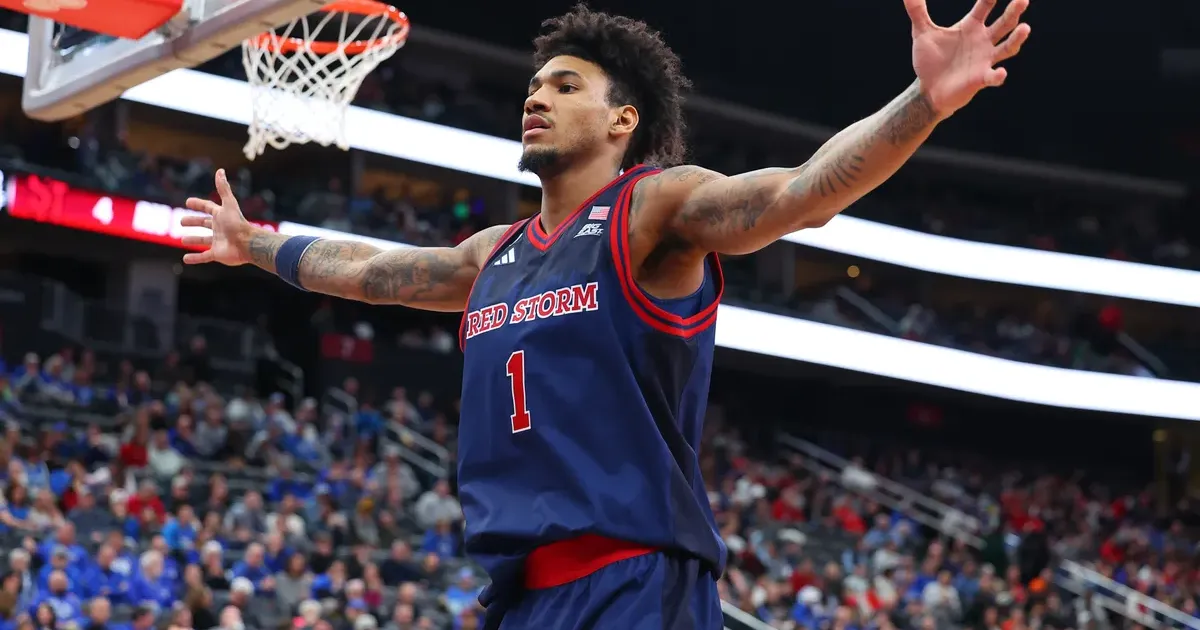
Arizona and St. John’s enter conference tournament week carrying different kinds of pressure: seeding, media attention and March expectations.
Arizona Carries the Big 12 Spotlight
Kansas City and New York City become the dual epicenters of the college basketball universe this week. The T-Mobile Center and Madison Square Garden host two of the most consequential postseason events in the sport. These tournaments decide more than local bragging rights. The tournament pressure rose on March 11, 2026, as seeding stakes and media schedules converged before the weekend finals. They determine the seeding trajectory for the national championship bracket.
Fans across the country are bracing for a five-day marathon of high-stakes hoops that will test the endurance of both players and viewers. This week represents the culmination of months of grueling regular-season play. Arizona enters the Big 12 tournament as the clear favorite. Tommy Lloyd has guided the Wildcats to a staggering 29-2 record during the regular season. Their dominance in a league that now includes programs like Houston and Kansas is a feat of modern coaching.
Arizona secured the regular-season title with a mix of high-tempo offense and disciplined interior defense. Still, the transition to a neutral site in Missouri presents a different set of challenges. T-Mobile Arena will be packed with hostile fans from across the Midwestern plains who are eager to see the newcomers stumble. Houston, Kansas, and Texas Tech round out a top four that analysts describe as one of the most formidable groups in recent history. Kelvin Sampson has kept the Cougars in the elite tier despite the increased depth of the expanded Big 12.
Bill Self remains a tactical wizard in Kansas City, where the Jayhawks historically enjoy a significant home-court advantage regardless of the official bracket. These programs do not just play for trophies. They play for the top-line seeds that guarantee easier paths through the opening rounds of the NCAA tournament. The math for an at-large bid is settled for these giants, but the prestige of the tournament title remains a powerful motivator. Competition begins Tuesday, March 10, with a flurry of early-round games that often produce the most chaotic results.
St. John's Reclaims Big East Weight
St. John's University reclaimed its spot at the top of the Big East hierarchy this year. Rick Pitino has transformed the program in a remarkably short window, instilling a level of defensive intensity that has stifled traditional powers like UConn and Villanova. Securing the top seed in the Big East tournament is a milestone that the Queens-based program has chased for decades. Playing at Madison Square Garden provides a genuine home-court feel for the Red Storm, but the Big East is rarely a predictable environment.
This resurgence has revitalized a fan base that spent years in the doldrums of the conference standings. UConn remains the most dangerous threat to any title aspirant in Manhattan. Dan Hurley has built a culture of relentless physical play that thrives in the pressure-cooker atmosphere of the Garden. While St. John's holds the top seed, the Huskies possess the championship pedigree and a roster built for tournament success.
Villanova also lingers as a dark horse. The Wildcats have struggled with consistency throughout the winter, but their experience in close games makes them a terrifying draw for any opponent in the quarterfinals. Every game in the Big East tournament will demand tactical perfection. Madison Square Garden is not just a venue, it is a character in the story of the Big East. Broadcasting rights for these events have fractured across a dizzying array of platforms.
ESPN holds the keys to the Big 12, distributing games across ESPN, ESPN2, ESPNU, and the ESPN+ streaming service. Viewers trying to follow every Kansas City game now have to move across several ESPN platforms starting March 10. The championship final is scheduled for Saturday, March 14, at 6 p.m.
Fans wanting to see every second of the action in Kansas City must navigate these channels starting March 10.
Why March Now Belongs to Media Packages
Will the NCAA eventually admit that the regular season has become a mere audition for television executives? The current structure of these conference tournaments is an exercise in corporate greed disguised as athletic tradition. We are told that the Big 12 expansion was about the survival of the sport, yet we see fans forced to pay for multiple streaming services just to watch their team in a quarterfinal. Arizona and Arizona State belong in the Big 12 about as much as a desert belongs in a blizzard. The move was a naked cash grab that discarded decades of regional rivalries in favor of a larger media market footprint.
Rick Pitino's success at St. John's is equally cynical. While the media celebrates his tactical genius, they ignore the transactional nature of a sport that allows a coach with his history to return to the summit with zero accountability. The Big East tournament at the Garden is beautiful, but it is also a relic being milked for every cent of nostalgia by NBC and Fox. These tournaments are no longer about the student-athletes.
They are four-day infomercials for gambling apps and over-priced streaming bundles. If you think this is about the love of the game, you are not paying attention to the ledgers.