Arizona and Purdue entered the West Region spotlight with the Final Four road narrowing fast. The game matters because both programs see the Elite Eight as proof that roster construction worked. By March 27, 2026, fans in San Jose were already treating the matchup as the defining collision of the 2026 tournament's second weekend.
Purdue Challenges Arizona in West Regional Final
Arizona enters the Elite Eight conversation with a balanced attack and the kind of depth that travels well in March. Purdue, the No. 2 seed, brings size, half-court discipline and the memory of an earlier non-conference meeting that stayed close into the final moments.
Both programs have the profile of Final Four teams, but only one can move on.
Road to Indianapolis and Final Four Projections
Indianapolis is already waiting for the Final Four, but Arizona and Purdue still have to solve a matchup built on physicality and execution. The other side of the bracket will create its own pressure, but this game carries enough weight on its own: two rosters built for a deep run with no room left for a bad ten minutes.
Arizona holds a slight advantage in neutral-court shooting percentages this month. Meanwhile, the Boilermakers have struggled with turnover issues during the first ten minutes of their previous two games. Correcting these early-game mistakes is essential for Purdue to keep the crowd from becoming a factor in San Jose. And yet, the Boilermakers possess a physical interior presence that few teams can match. For instance, their starting center has recorded a double-double in every game of the tournament so far. Arizona must find a way to double-team the post without leaving corner shooters open for uncontested looks. Media Rights and Streaming Shift for 2026 Tournament. TBS and truTV will handle the primary broadcast duties for the Elite Eight games on Saturday evening. The 2026 tournament has seen a shift toward more accessible streaming options for younger audiences who have moved away from traditional cable packages. Sling TV has introduced a Sling Day Pass specifically for tournament viewers.
Every game on TBS, TNT, or truTV is available through this new digital offering. $4.99 is the current price for a single day of access to the tournament streams. This pricing strategy targets the casual viewer who may only want to watch a specific high-profile game like Purdue versus Arizona. Working from that premise, the NCAA has expressed satisfaction with the early viewership numbers for the 2026 tournament. Increased digital accessibility has offset the slight decline in traditional television ratings observed over the last three years. Advertisers are paying record sums for the thirty-second spots during the second half of Elite Eight games. The knock-on effect: the revenue generated from these broadcasts flows back to the participating conferences. Smaller leagues rely on these distributions to fund their entire athletic departments for the coming fiscal year. One victory in the Sweet 16 can be worth millions of dollars in future payouts to a university.
Arizona may look stronger on recent efficiency metrics, but Purdue has the profile to punish any assumption that the region is already decided. Each possession now carries the weight of a season's worth of preparation, and the margin for error is thin enough that one loose stretch can define the night.
Tournament Stakes
Does anyone truly believe the current collegiate basketball model serves the athletes or the fans in a meaningful way? The path points to a billion-dollar industry masquerading as an amateur pursuit while the broadcast rights are sliced into five-dollar micro-transactions. The 2026 tournament is an exercise in squeezing every cent from a captive audience. While the Purdue and Arizona matchup promises tactical brilliance, the surrounding infrastructure feels increasingly hollow. We celebrate the Cinderellas until they are crushed by the financial might of the Power Four programs in the Sweet 16.
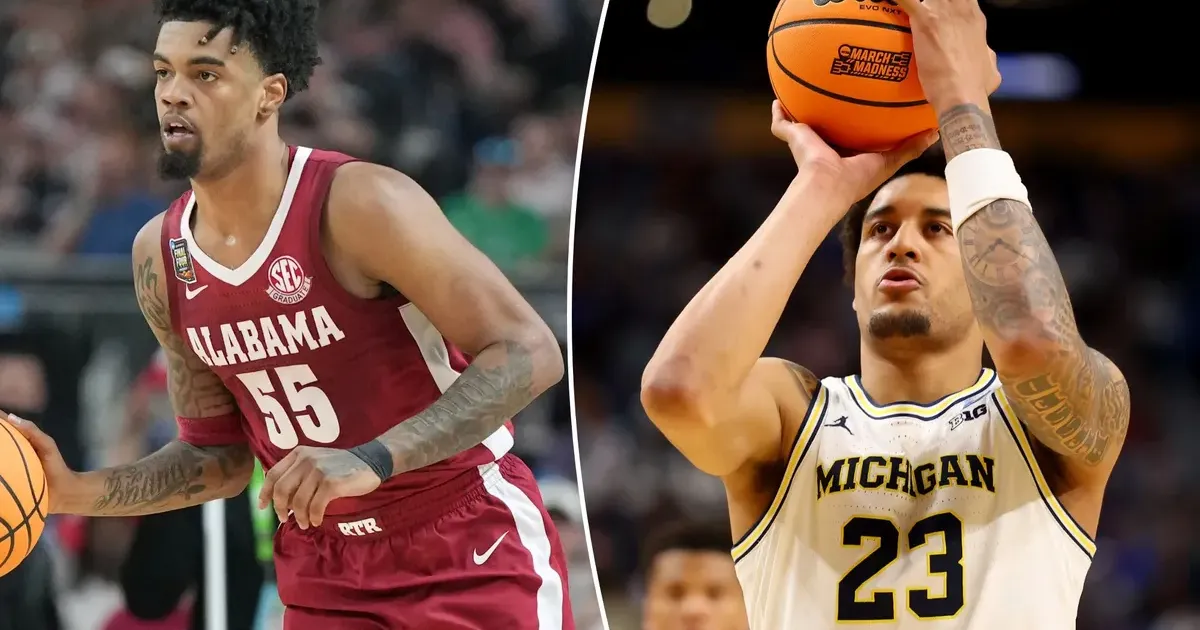
The illusion of parity is the greatest trick the NCAA ever pulled. Michigan and Alabama will play a game of inches on Friday, but the real winners are the executives in leather chairs who orchestrated the streaming rights deal. If you want to watch the next generation of stars, you must pay the $4.99 toll. This system does not reward the best basketball; it rewards the most marketable storylines. Indianapolis will be beautiful in April, but the soul of the game is currently being auctioned off at the SAP Center. We should stop pretending this is about education and start calling it what it is: a high-stakes media production.