Preschool Attack Case Moves to Charges
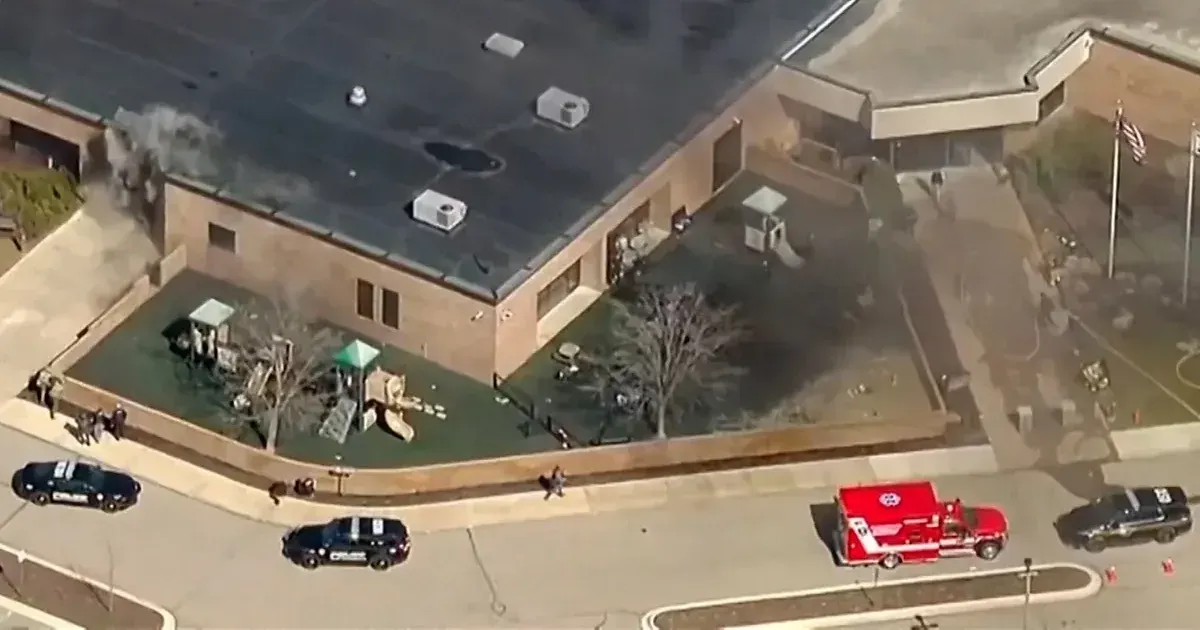
West Bloomfield Township transformed into a federal crime scene Thursday morning after a vehicle laden with improvised explosives crashed into the facade of Temple Israel. Federal investigators quickly identified the driver as Ayman Ghazali, a 41-year-old resident of Dearborn Heights. The impact occurred during early morning hours when the preschool facility was beginning its daily operations. On March 13, 2026, the case moved from an incident report into a broader security concern. Witnesses reported seeing a late-model sedan accelerate across the parking lot before striking the building with significant force. Emergency responders discovered the car contained several containers of volatile materials designed to maximize fire damage.
Local authorities immediately cordoned off several blocks surrounding the synagogue to allow bomb disposal units to sweep the area for secondary devices. Preliminary reports indicate the structural integrity of the preschool wing remains compromised. No children suffered physical injuries, but the psychological toll on the suburban Detroit Jewish community is profound. FBI agents spent the afternoon searching Ghazali's home, where they recovered electronic devices and additional chemical components. Ghazali lived a seemingly unremarkable life in Dearborn Heights prior to the incident.
Neighbors knew him as a quiet man who maintained a consistent routine. He worked as a server at a popular local restaurant where patrons described him as efficient and polite. Such a mundane existence contrasts sharply with the violent intent displayed at Temple Israel. Federal records confirm Ghazali is a naturalized U.S. citizen who emigrated from Lebanon years ago. Waiters who worked alongside Ghazali expressed disbelief when news of his arrest broke. They noted he rarely discussed politics or religion during his shifts. His employment at the restaurant provided a steady income and a degree of social integration that typically suggests successful assimilation.
Investigators are now scrutinizing his financial records to determine if he received external funding or support for the attack. This proximity between his mundane workplace and the site of the attack has forced a reassessment of local threat levels. Evidence surfaced Thursday connecting Ghazali's actions to the escalating military conflict in the Middle East. Intelligence sources revealed that four of Ghazali's relatives died recently during targeted strikes in Machghara, Lebanon.
Hate-Crime Questions Shape the File
These military operations are part of a broader confrontation involving U.S. and Israeli forces against Iranian-backed groups. The loss of family members appears to have served as the catalyst for Ghazali's radicalization. Machghara has seen increased kinetic activity as regional tensions reach a boiling point.
Military analysts suggest that the death of civilians in these zones often creates ripples of resentment that extend to the Lebanese diaspora in North America. Ghazali's choice of target suggests he viewed the synagogue not only as a house of worship but as a proxy for the geopolitical actors involved in the Lebanese strikes. This link between foreign military action and domestic retaliation creates a new tier of difficulty for federal agencies. How a restaurant worker transitioned from serving food to assembling a vehicle-borne improvised explosive device remains the central question for the Department of Justice.
Early analysis of Ghazali's internet history shows a spike in visits to extremist forums immediately after the Machghara strikes. He allegedly consumed content that framed the conflict as a religious struggle rather than a political one. Federal prosecutors intend to argue that his actions were a premeditated act of domestic terrorism. Technicians from the Bureau of Alcohol, Tobacco, Firearms and Explosives are analyzing the composition of the explosives.
They found the mixture was sophisticated enough to suggest Ghazali may have received instruction through encrypted channels. While some initial theories pointed to a lone-wolf scenario, the complexity of the detonator indicates a level of technical knowledge that is rarely self-taught. Dearborn Heights and West Bloomfield represent two different facets of the Michigan demographic environment. The former hosts one of the largest Arab-American populations in the United States, while the latter is a hub for the regional Jewish community.
Historically, these groups have maintained a delicate but functional peace. Ghazali's attack threatens to rupture those ties. Community leaders from both sides issued calls for calm, yet the heavy police presence outside local mosques and synagogues tells a different story. Security consultants suggest that the Temple Israel incident will lead to permanent changes in how religious institutions protect their premises.
Security Concerns Reach Jewish Schools
Physical barriers and increased surveillance are already being implemented at dozens of facilities across Oakland County. This specific focus on a preschool indicates a deliberate attempt to maximize psychological trauma. Recent Department of Homeland Security bulletins have warned about the potential for spillover from the Israel-Iran conflict. The Michigan attack confirms those fears are rooted in reality.
Law enforcement agencies must now contend with a threat profile that involves naturalized citizens with deep ties to foreign conflict zones. These individuals often have no prior criminal records and blend seamlessly into their local communities. What happens next in the legal system will likely set a precedent for how the government handles revenge-based domestic terrorism. Ghazali faces multiple life sentences if convicted on explosives and hate crime charges.
His defense team is expected to focus on his mental state and the trauma of losing his family in Lebanon. Prosecutors remain unmoved by such arguments. The public pressure around the case is understandable, but the legal process will depend on documents, witness accounts and the specific charges prosecutors can prove. For schools and synagogues, the immediate question is operational. Leaders have to review entry procedures, communication plans and police coordination without turning classrooms into places defined by fear.