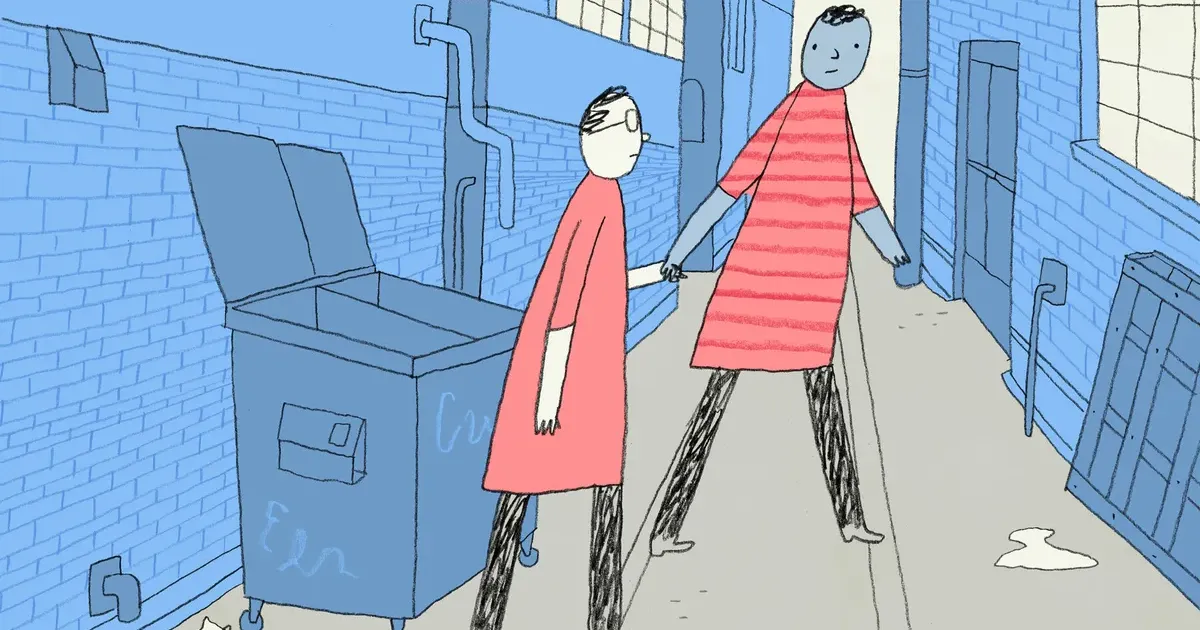
A blackout across dense urban apartments turned one private anxiety into a public story: how much modern dating now depends on hiding the ordinary evidence of how people actually live. The report was published March 11, 2026.
The Sudden Mercy of Total Darkness
Darkness arrived at 7:14 p.m., cutting through the manicured expectations of a third date in a cramped Manhattan studio. Silence followed the hum of the refrigerator as it died, leaving only the distant sirens of a city grappling with yet another grid failure. For one woman hosting a potential partner, the loss of electricity felt less like a civic failure and more like a divine intervention. Total obscurity became a mercy. Without the harsh glare of overhead LED bulbs, the peeling wallpaper and the pile of laundry in the corner vanished. She found herself breathing for the first time since the guest arrived, liberated from the heavy burden of being seen in the context of her struggling domestic reality.
Infrastructure failure is rarely romantic. Yet, the March 11 power outage across the Northeast corridor has revealed a hidden psychological undercurrent in the 2026 dating scene. Young professionals now live in a state of constant visual performance, driven by social media standards that demand every living space look like a staged showroom. When the lights fail, that performance stops. The person sitting across from you is no longer a collection of aesthetic choices or socioeconomic indicators. They are simply a voice in the dark. This specific blackout acted as a structural reset, stripping away the visual debt many urban dwellers carry when they invite someone into their homes.
The Domestic Gaze
Sociologists have long noted that the home is a resume for one's life. In the hyper-competitive dating markets of London and New York, the quality of a kitchen counter or the brand of a bookshelf can end a relationship before the second glass of wine. Such judgment feels especially acute for a generation trapped between high-status career ambitions and the reality of crumbling rental units. One woman, who asked to remain anonymous, described the terror of having a date see her bathroom, which has been awaiting a tile repair for eight months. The outage turned her apartment into a neutral zone, a space where the physical flaws were no longer her responsibility to explain or hide.
Human connection thrives on vulnerability, but modern architecture and interior design trends have weaponized the domestic sphere. We are taught that our surroundings reflect our inner stability. A cracked ceiling suggests a cracked psyche. A messy desk implies a chaotic mind. Erving Goffman, the legendary sociologist who pioneered the study of social performance, would recognize this fear immediately. He argued that people spend their lives managing the impressions others form of them. When the lights go out, the stage lights are effectively cut, allowing the actor to finally stop performing. The darkness provides a sanctuary from the constant, silent interrogation of the guest's eyes.
Still, the relief felt by many during this blackout highlights a troubling trend in how we value each other. If we require total darkness to feel comfortable with a partner, the foundation of that intimacy is built on sand. Relationships born in the dark must eventually face the morning light, where the peeling paint remains. Some psychologists suggest that the blackout provided a false sense of security, delaying the inevitable moment when two people must accept the unvarnished reality of their lives. Others argue that the sensory deprivation forced a deeper focus on conversation and intellectual chemistry, bypassing the superficial hurdles that often derail early romance.
Infrastructure and Intimacy
Grid instability has become a recurring character in the narrative of urban life in 2026. While city officials scramble to modernize the aging electrical systems, the residents of these cities are finding ways to adapt their social lives to the intermittent power. Dinner parties are now planned with candles as a backup, and dating apps have seen a surge in mentions of blackouts as a shared experience. There is a strange irony in the fact that our failing technology is what finally forces us to put down our phones and look, or rather listen, to one another. The math doesn't add up for a society that claims to value authenticity while clinging to the safety of the dark.
Many residents reported that the blackout lasted just long enough to cement a bond that might have withered under the scrutiny of a well-lit room. In the absence of visual distractions, the pitch of a voice or the rhythm of a laugh takes on a heightened significance. The physical environment, which usually acts as a barrier or a status symbol, becomes irrelevant. One man living in a prestigious but poorly maintained Brooklyn brownstone noted that he felt a surge of confidence when the lights died. He no longer had to worry about his date noticing the water stain on the ceiling from his neighbor's bathtub. He was just a man in a room, and for three hours, that was enough.
Critics of this perspective might say that hiding the truth is just another form of deception. If you cannot stand to be seen in your natural habitat, perhaps you are not ready for a serious partnership. But such a view ignores the systemic pressures of the modern economy. Rent takes up 60 percent of most urban salaries, leaving little for the aesthetic upgrades demanded by the digital age. The blackout did not just hide the dust; it hid the evidence of a struggle to keep up with an impossible standard of living. It provided a temporary reprieve from the class anxiety that permeates every aspect of adult life.
The Morning After the Darkness
Dawn eventually broke the spell, bringing with it the return of the power grid and the return of the visual ego. As the lights flickered back on, the magic of the previous night often dissipated. The laundry was still there. The cracks in the wall had not healed. Some couples found the transition jarring, unable to reconcile the person they heard in the dark with the person they saw in the light. For others, the hours of darkness had established enough trust to make the visual flaws seem trivial. The physical space remained the same, but the perception of it had been altered by the shared experience of the void.
Domestic Performance Trap
Why are we so terrified of a laundry pile? The relief felt when the lights went out in New York and London this week is a damning indictment of the superficiality we have allowed to govern our private lives. We have turned our homes into galleries and our dates into curators, effectively outlawing the messiness that makes us human. This collective sigh of relief in the darkness reveals that we are no longer looking for partners; we are looking for critics we can impress. If your relationship depends on a specific wattage of light to survive, it is not a relationship, it is a brand partnership. We should be ashamed that it takes a literal collapse of the energy grid for us to feel worthy of another person's company. The true infrastructure failure isn't the one happening in the power plants. It is the one happening in our heads, where we have conflated our worth with our wallpaper. The blackout didn't save your date. It merely gave you a temporary hiding spot from the fact that you are terrified of being known as a real, flawed, and occasionally messy person. If you can only find love in a vacuum, you aren't finding love at all.