Brazil rebuked a Trump advisor over a planned jailhouse visit that officials viewed as interference in a domestic legal matter. The dispute adds pressure to already sensitive relations between Brasília and Trump-aligned US conservatives.
Brazil Pushes Back on Trump Ally
Mauro Vieira leaned into a desk at the Ministry of Foreign Affairs this week to sign a document that could define Brazilian-American relations for the next four years. The Brazil Rebukes Trump Advisor Over Planned Jailhouse Visit report carried a March 12, 2026 time marker for readers following the latest account. In a formal communication sent to the Supreme Federal Court, the Foreign Minister warned that a proposed meeting between a high-ranking White House official and imprisoned former president Jair Bolsonaro constitutes a breach of national sovereignty. The proposed visit centers on Darren Beattie, a senior advisor to Donald Trump, and the symbolism of entering Bolsonaro's detention site at the 19th Military Police Battalion, a facility colloquially known as Papudinha.
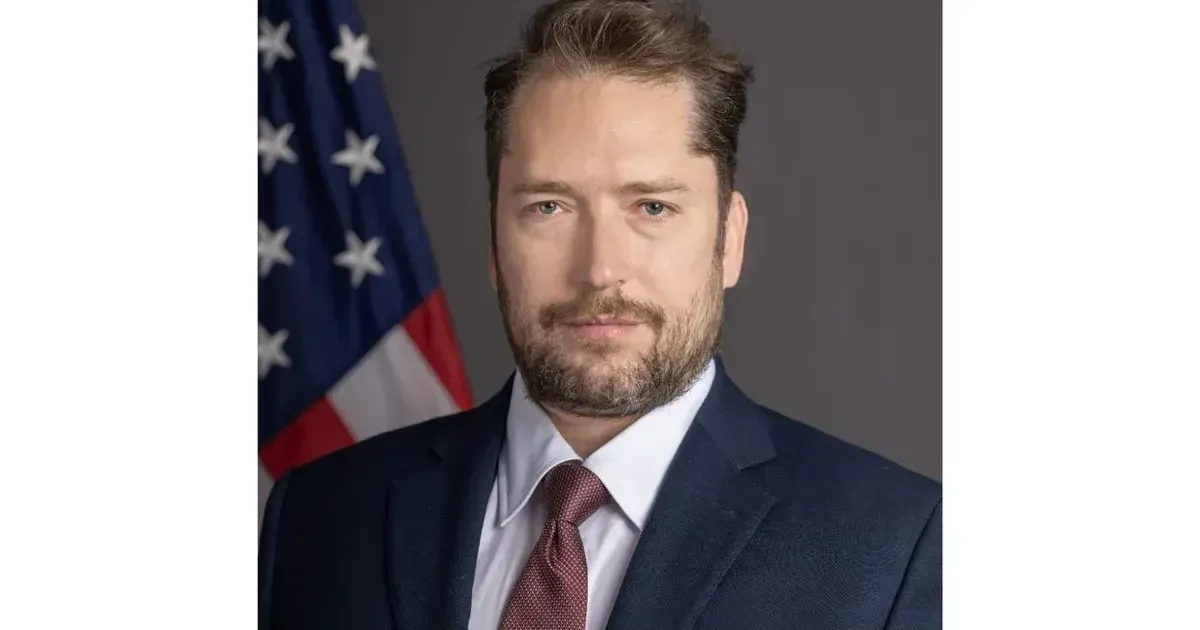
The tension centers on Darren Beattie, a senior advisor to Donald Trump, who requested permission to visit Bolsonaro at the 19th Military Police Battalion, a facility colloquially known as Papudinha.
Foreign Ministry officials argue that such a visit, conducted by a sitting foreign official to a convicted insurrectionist during an election year, is a direct attempt to influence domestic politics. Justice Alexandre de Moraes currently holds the keys to Bolsonaro's cell, both literally and legally. As the rapporteur for the trials involving the 2022 coup attempt, Moraes must approve every visitor who passes through the gates of the PMDF battalion. Records from the court indicate that Bolsonaro is currently serving a 27-year sentence, a punishment handed down for his role in the unrest that followed his electoral defeat.
While the defense team for the former president initially secured a tentative date for the visit on March 18, they quickly petitioned to move the meeting to March 17. Their justification rested on Beattie's schedule in São Paulo, where he is scheduled to attend a high-level summit on rare earth minerals and critical resource supply chains. Democracy in the southern hemisphere remains a fragile, contested prize.
Jailhouse Visit Plan Tests Sovereignty
Darren Beattie occupies a unique and controversial space within the second Trump administration. Known for his hardline stance on globalism and his vocal support for right-wing movements across Latin America, Beattie has long been a critic of President Luiz Inácio Lula da Silva. His role as a senior policy advisor for Brazilian affairs gives his presence in the country a weight that traditional diplomats struggle to match. Ministry officials in Brasília noted with some suspicion that the United States Embassy only requested a formal meeting between Beattie and the Coordination-Geral de Combate a Ilícitos Transnacionais on March 11.
This late request suggests to many in the Lula administration that the official diplomatic agenda is merely a convenient cover for a more political mission to the prison gates. Legal experts in Brazil suggest that the phrase "undue interference" carries specific weight in international law. Mauro Vieira explicitly used this terminology in his report to Justice Moraes, noting that the timing of the visit is particularly sensitive. Brazil prepares for a major election cycle later in 2026, and the image of a Trump surrogate standing alongside a jailed Bolsonaro would provide immense symbolic fuel to the opposition.
Bolsonaro's supporters continue to view his imprisonment as a political martyrdom rather than a legal consequence. By appearing at the Papudinha, Beattie would effectively validate that narrative on behalf of the most powerful government in the world. Foreign policy is no longer conducted through official channels alone.
Diplomatic Fallout
Strategic interests in critical minerals add a layer of complexity to this diplomatic standoff. Beattie's planned attendance at the São Paulo summit highlights the growing American desperation to secure lithium and neodymium supplies outside of Chinese influence. Brazil sits on some of the largest undeveloped deposits of these materials in the Western Hemisphere. Washington seeks a partnership that ensures these resources flow north, but the Lula administration has shown a preference for diversified trade partners and domestic processing requirements.
Beattie likely intends to use his time in São Paulo to signal that a future, more aligned Brazilian government would find the United States a much more generous partner in the mining sector. Justice Moraes reacted to the scheduling change by demanding a full accounting of Beattie's diplomatic credentials and official itinerary. This move forced the Foreign Ministry to reveal that no high-level meetings had been coordinated with the executive branch until the last minute. Such an omission violates the standard protocol for visiting dignitaries, who typically coordinate through the Itamaraty months in advance.
Analysts at the University of Brasília suggest that the Trump administration is testing the boundaries of the executive-judicial relationship in Brazil.
Brazil Sovereignty Test
Does the Trump administration truly believe it can treat the largest nation in South America like a client state? Sending Darren Beattie to hold court at a military prison is not diplomacy; it is a calculated act of theater designed to undermine a sovereign judiciary. If the United States expects its own legal proceedings to be respected by the international community, it cannot simultaneously send envoys to comfort those who tried to burn a neighboring democracy to the ground. Such behavior demonstrates a reckless disregard for the very institutions that keep the Western Hemisphere stable. Brazilian officials are right to be indignant. The Lula administration is doing more than protecting its own political flank; it is defending the principle that a criminal conviction in a high court is not a suggestion to be ignored by foreign power brokers. Washington needs to realize that the era of the Monroe Doctrine is dead and buried. You do not secure rare earth minerals by insulting the ministers of the country that owns them. If the White House wants a partnership with Brazil, it should start by respecting the laws that put Jair Bolsonaro behind bars. Anything less is a return to the dark days of regional meddling that the world has supposedly outgrown.