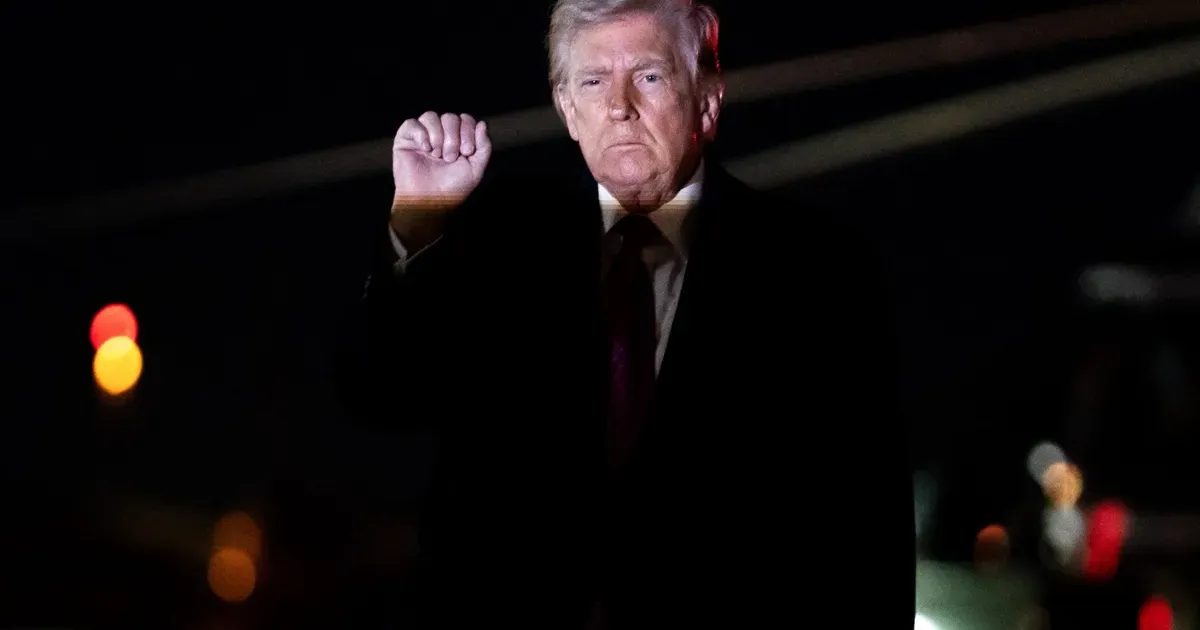
Oil prices are testing the distance between battlefield claims and market fear. Traders are pricing supply risk even as officials talk about progress. President Donald Trump asserted on March 30, 2026, that the military campaign against Iran achieved its primary objectives even as global energy markets braced for prolonged instability. He told reporters at his golf course in Doral, Florida, that the Iranian military lacks functional naval and air capabilities. White House officials described the Iranian drone manufacturing infrastructure as essentially neutralized. Military intelligence reports suggest that Iranian missiles are now restricted to a scatter pattern. These claims, however, failed to suppress a volatile commodities rally that pushed petroleum prices to three-year highs. That gap between market pricing and political messaging is the real story for traders. Oil desks can listen to ceasefire language, but they still price tanker risk, refinery exposure and the chance that one strike reopens the premium overnight. That is why the market reaction cannot be dismissed as panic; it is a pricing signal from traders who see physical supply risk before politicians acknowledge it.
Brent crude futures for May delivery reached $113 per barrel during Sunday evening trading. Investors largely ignored optimistic rhetoric from the executive branch, focusing instead on the disruption of maritime trade routes. West Texas Intermediate, the primary benchmark for American oil, climbed to $101 per barrel. Gasoline prices in the United States have reached their highest levels since early 2023. Brent crude has gained more than 50% in March, marking the steepest monthly increase since the 1990 Gulf War.
Market volatility has become the new baseline for global commodities.
Economic ripples are moving rapidly across Asia. South Korean officials issued directives for citizens to take shorter showers to conserve heating energy. Thailand implemented shirt-sleeve mandates in offices to reduce the demand for air conditioning. The Philippine government began distributing cash aid to motorcyclists struggling with fuel costs. Regional energy shortages have forced several nations to consider emergency fuel rationing to maintain critical infrastructure.
Strait of Hormuz Attacks Threaten Global Supply Chains
Maritime security in the Strait of Hormuz has deteriorated sharply since the outbreak of hostilities. This narrow waterway enables the transit of roughly 20% of the world's supply chain. Recent attacks on merchant ships and gas-related infrastructure have heightened fears of a total shipping blockade. Insurance premiums for vessels entering the Persian Gulf have skyrocketed. Shipping companies are rerouting vessels around the Cape of Good Hope, adding weeks to transit times and thousands of dollars in fuel costs.
Yemen's Iran-backed Houthi rebels entered the conflict over the weekend after a period of relative silence. The group launched cruise missiles and drones targeting locations in Israel. Pentagon officials are reportedly preparing for several weeks of intensified kinetic operations in the region. Resistance from proxy groups indicates that the destruction of Iranian conventional forces has not ended the broader regional threat. Defense contractors are accelerating the production of interceptor missiles to meet increased demand in the Middle East.
Soybeans and Biofuels Rally on Fossil Fuel Scarcity
Agricultural commodities are moving in lockstep with the energy sector. Soybean oil prices climbed as much as 3.4% in Chicago trading sessions. Rising crude oil costs make biofuels a more attractive alternative for transportation and industrial use. Biofuel refineries have increased their demand for feedstock, pulling supplies away from the food sector. This connection between energy and agriculture places additional upward pressure on global food inflation. European markets reported similar jumps in rapeseed oil and sunflower oil futures.
Investors are shifting capital into grain markets as a hedge against energy-related inflation. Soybean meal and corn futures also trended higher during the latest trading session. High fuel costs increase the expense of operating farm machinery and transporting crops to port. These secondary costs will likely appear on grocery store shelves by the third-quarter of the year.
International Energy Agency Proposes Emergency Consumption Cuts
The International Energy Agency released a 10-point plan to reduce the impact of supply disruptions. Recommended measures include working from home and reducing highway speed limits by at least six miles per hour. The agency urged governments to encourage car-sharing and the use of public transportation. Avoiding non-essential air travel is another key component of the conservation strategy. Analysts at the agency stated that demand-side measures could not fully replace the volume of lost supply from the Middle East.
"The demand-side measures highlighted in the report cannot match the scale of disrupted supply, but they can play a meaningful role in lowering costs for consumers, reducing market strains, and preserving fuels for essential use," the International Energy Agency stated in its official report.
Reliance on the Strait of Hormuz continues to be the Achilles' heel of the global economy.
Thailand announced a temporary halt to fuel exports to protect its domestic supply. Other nations are considering flexible working arrangements to minimize commuting. The use of electric cooking equipment is being promoted to reduce reliance on natural gas and heating oil. Governments are seeking ways to insulate their economies from a conflict that shows no signs of a diplomatic resolution.
Oil Market War Premium
Crude prices can rise even when leaders claim victory because markets care about interruption risk, tanker insurance and retaliation. The war premium survives optimistic messaging.
The next pricing test is whether producers and shippers believe the Gulf can remain open without a wider supply shock.