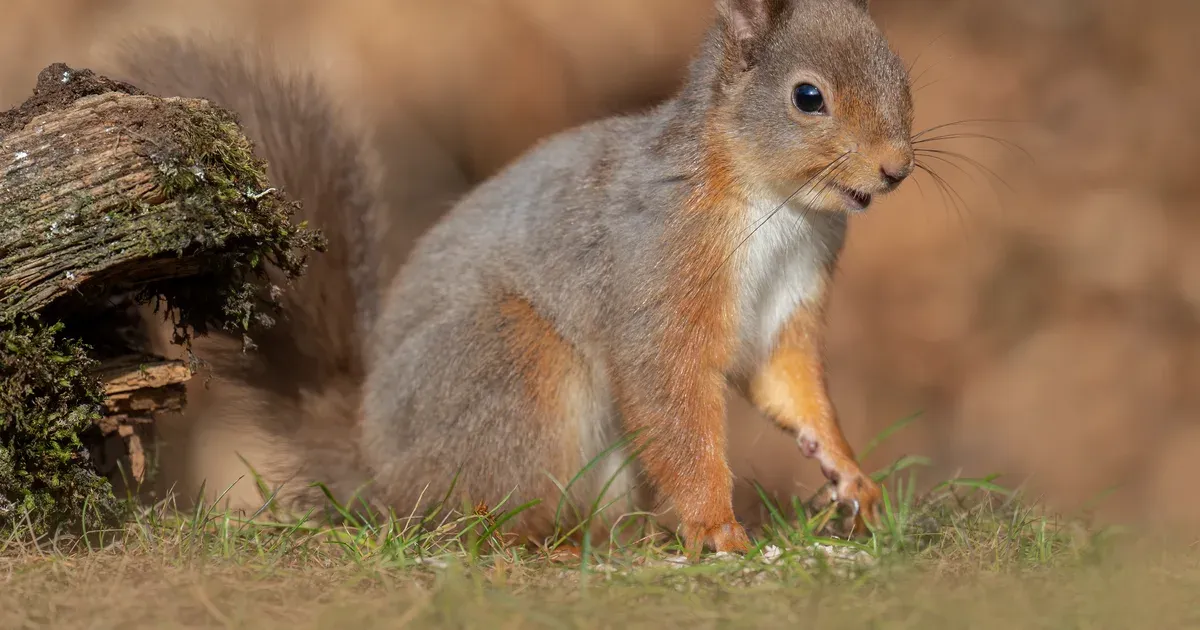
British banknotes are moving from famous faces to native wildlife. The Bank of England's next design cycle will replace historical figures with animals such as the red squirrel, kingfisher and Atlantic salmon, while King Charles III remains on the obverse side. The choice gives the new series a cleaner theme than another contest among national heroes. It also gives the public a more ecological symbol of national life. On March 12, 2026, the decision turned currency design into a broader argument about identity, memory and nature. The change is not only decorative. Banknotes are public symbols that circulate through everyday life, and the images chosen for them say something about what a country wants to recognize. British wildlife gives the Bank a theme that is less politically combustible than choosing another slate of writers, scientists or prime ministers.
Currency Becomes a Nature Signal
Wildlife designs can draw attention to species under pressure from habitat loss, pollution and climate change. That makes the notes part of a cultural conversation about conservation, even if they are not environmental policy. The Bank also avoids ranking historical figures against one another. Every portrait choice creates omissions. A wildlife series offers a cleaner visual system and a less personal controversy.
History Still Shapes the Debate
Some critics will argue that removing figures such as Jane Austen or Alan Turing weakens the educational value of banknotes. Others will welcome a design language that reflects land, rivers and ecological heritage. Bank of England notes have always carried symbolic weight. The shift shows how even money can become part of a debate over what national memory should look like. The redesign also has practical constraints. Notes must remain secure, legible and accessible, which limits how artistic the imagery can become.
Public Reaction Will Decide the Tone
The strongest designs will avoid looking like generic nature posters. They need to feel specific to Britain and clear enough to work at small scale. If the public embraces the notes, the wildlife series may become a quiet success. If not, the Bank will learn again that currency is never only a payment tool; it is a daily piece of national symbolism. Banknotes have always carried a strange mix of practicality and symbolism. They need to resist counterfeiting, remain accessible and work in machines, yet they also become small portraits of national priority. Choosing wildlife can make that symbolism more inclusive. A red squirrel or kingfisher does not belong to one party, region or historical faction in the same way a human figure can.
Still, the design will not escape politics entirely. Conservation has its own arguments, and the choice of species may lead people to ask why certain animals or habitats were elevated over others.
The Bank will also need to communicate the transition clearly. People notice money when it changes, and confusion around note validity can create unnecessary friction for shops and consumers.
If the series succeeds, it may make environmental memory part of everyday exchange. That would be a subtle shift, but banknotes often work through subtle repetition.
The wildlife theme may also help younger users connect money with the natural world around them. A note that features a threatened species can prompt a different kind of recognition than another formal portrait.
There is still a risk of sentimentality. If the designs feel too soft or generic, critics may argue that the Bank traded historical seriousness for decorative branding.
The final test will be use. A banknote has to work in a wallet, in a shop and under security inspection. The best design will carry the wildlife idea without sacrificing the clarity money requires.
The decision may also influence future public design debates. Once currency shifts from historical portraits to a themed series, other public symbols may face similar pressure to represent ecology, place and shared inheritance.
That is a lot to ask of a banknote, but money has always carried more meaning than its face value.
Public consultation will likely shape the final reception. If people feel the species choices reflect the country rather than a narrow design committee, the notes will have a better chance of becoming familiar quickly.