Cairo’s reform plans are being squeezed by war-driven energy pressure, debt risk and nervous capital flows. The reform pressure grew on March 12, 2026, as Cairo faced the financial aftershocks of a regional war it does not control.
War Pressure Hits Reform Math
Cairo is feeling the heat of a conflict it did not start. As the war involving Iran consumes regional stability, Egypt's fragile economic recovery is beginning to splinter. Investors who once viewed the North African nation as a high-yield turnaround story are now sprinting for the exits. The Egyptian pound suffered a punishing blow this week, losing significant value against the dollar as capital flight accelerates. Direct causality defines this crisis. Regional instability choked off the flow of foreign investment that Egypt desperately needs to service its massive external debt. While Bloomberg Economics reports that Egyptian assets are among the worst hit in the Middle East, the reality on the ground in Cairo is even more precarious. Local banks are tightening foreign currency withdrawals, and the black market for dollars has resurfaced with a vengeance. Stability is a ghost in the markets of Giza. Prescriptions from the International Monetary Fund often demand a stomach for pain, and Egypt has swallowed every bitter pill.
Energy Costs Strain Cairo
Over the last two years, the government enacted a grueling series of reforms including steep subsidy cuts and a transition to a flexible exchange rate. These moves aimed to shield the economy from external shocks. But the Iran war provides a stress test that no amount of fiscal discipline could have prepared for. Currency devaluation in March 2026 has pushed the price of imported wheat and fuel to levels that threaten social cohesion. Cairo previously relied on a massive $35 billion investment from the United Arab Emirates to stabilize its reserves. That buffer is evaporating. Because the cost of insuring Egyptian debt against default has spiked, the prospect of returning to international bond markets looks increasingly grim. Maritime traffic through the Suez Canal once provided a steady stream of hard currency for the Egyptian treasury. Today, the canal resembles a quiet backwater rather than a global artery. Shipping companies are rerouting vessels around the Cape of Good Hope to avoid the volatility in the Red Sea and the broader Persian Gulf.
Investors Watch the Currency
This diversion of trade has slashed Suez Canal revenue by more than half compared to the same period last year. Losses in transit fees create a direct hole in the national budget. Government officials had projected these fees would help bridge the funding gap required for the next IMF loan review in 2026. Instead, the administration must now choose between funding essential imports or paying down its creditors. Dependency on a single waterway has become a strategic liability. Shoppers in local markets are witnessing the fastest price increases in a generation. Food inflation is hovering near 40 percent, making basic staples like lentils and cooking oil luxury items for many families. While the central bank raised interest rates to historic highs, the move has done little to curb the price hikes driven by a weak currency.
Public frustration is mounting. The social contract in Egypt relies on the state's ability to provide affordable bread.
Debt Risk Narrows the Options
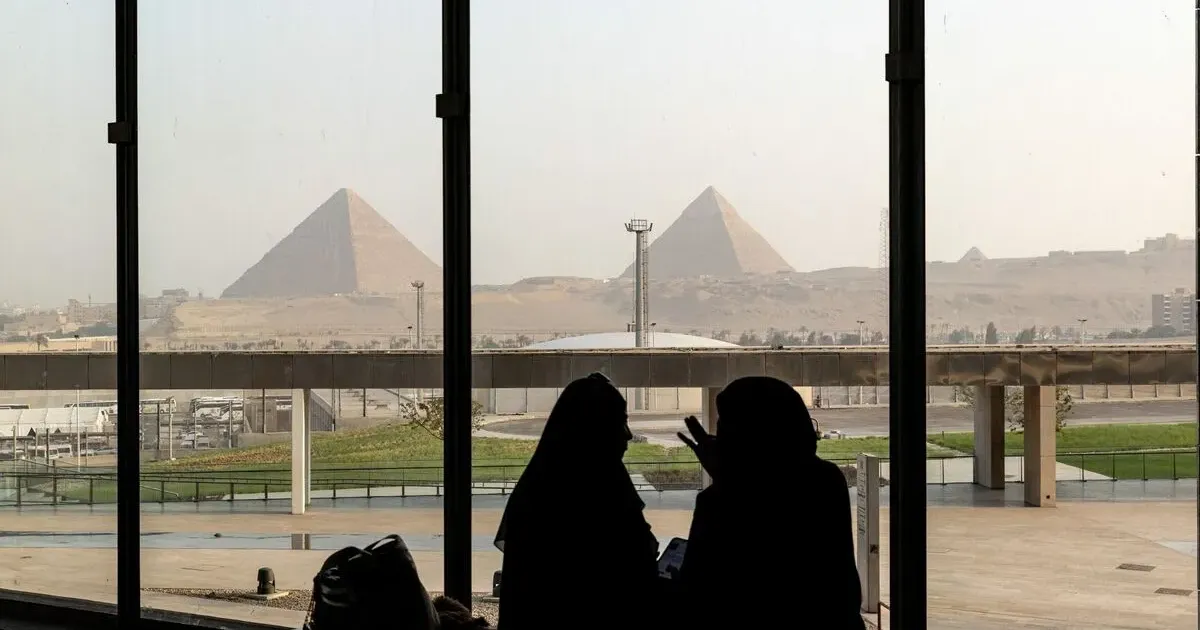
Yet, the cost of the bread subsidy program is ballooning even as the government tries to trim the fat from its spending. If the Iran war continues to drag on, the fiscal pressure may force the government to break its promises to the IMF to prevent domestic unrest. Tourism was supposed to be the engine of growth for the 2026 fiscal year. Ancient sites like the Pyramids and the Valley of the Kings are seeing a fraction of the visitors they hosted only a year ago.
Western travel advisories have effectively shut down the sector, as potential vacationers view the entire region as a combat zone. Hotels in Sharm El-Sheikh and Hurghada report occupancy rates below 20 percent. This collapse in tourism not only starves the country of dollars but also puts millions of service industry employees out of work. Without the tourism windfall, the central bank has no clear path to replenishing its foreign exchange reserves.
Reforms Fail When the Shock Absorbers Are Missing
Cairo's financial reforms came under pressure from the Iran war and regional market stress. Energy costs, currency expectations and investor confidence are moving against policymakers at once. Debt service risks leave Egypt with fewer painless options. Regional conflict can raise energy costs, weaken tourism, disturb shipping confidence and pressure capital flows. Egypt can announce reform targets, but external shocks decide whether those targets are survivable.
A war-driven energy and financing squeeze exposes how little room Cairo has for policy error. Currency credibility, subsidy politics and external borrowing are now part of the same problem. If households absorb another inflation shock while investors demand more proof of discipline, reform becomes both economically necessary and politically explosive. Cairo is being asked to reassure creditors, protect consumers and keep strategic partners calm at the same time.
That is not a reform program; it is a stress test with no margin for theatrical optimism. The government also has to protect food and fuel channels while avoiding a confidence shock in the currency. That combination leaves reformers defending austerity to citizens and stability to lenders, a contradiction that cannot be solved by another communique. The brutal truth is that reforms built for calm markets rarely survive wartime pricing.
If the state cannot cushion the poorest households while keeping the external account credible, the reform story becomes another spreadsheet fantasy sold to creditors. Policymakers will talk about resilience, but resilience without fiscal space is just a slogan. Cairo needs dollars, confidence and quiet borders; the war threatens all three at once.