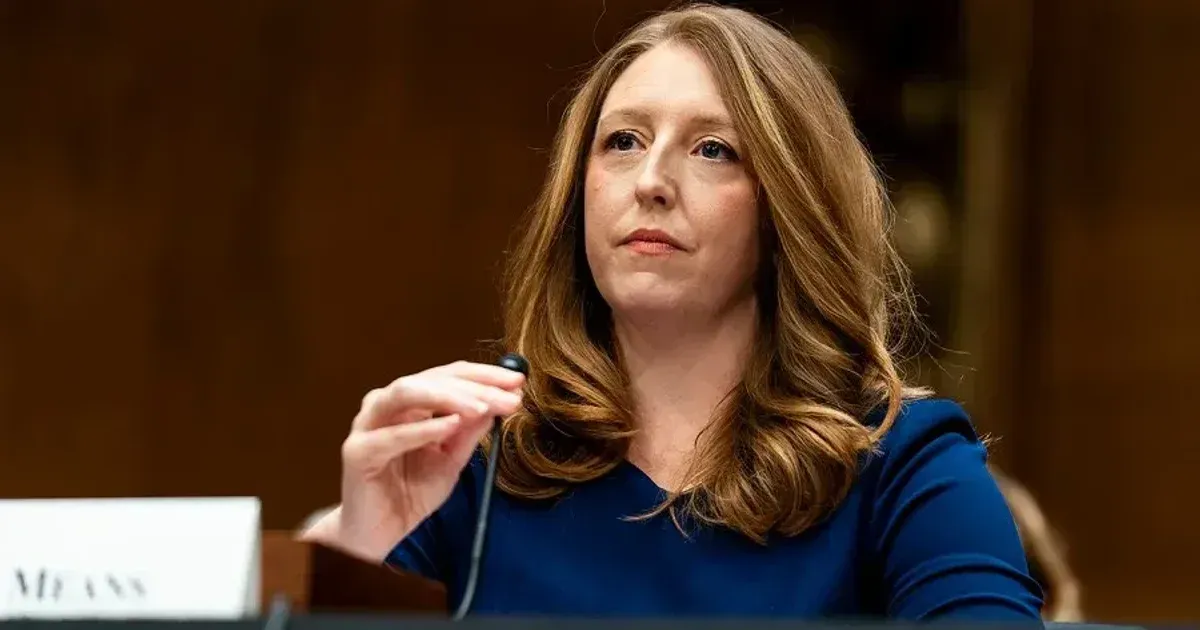
Calley Means disclosed on April 10, 2026, that the White House is engaging in delicate negotiations to secure the confirmation of Casey Means as Surgeon General. Internal deliberations regarding the viability of her nomination have surfaced as legislative analysts question the current vote count in the upper chamber. Speaking during a broadcast on NewsNation, the senior presidential adviser acknowledged that high-level discussions persist among party leaders. These private talks focus on whether the Stanford-trained physician can overcome institutional resistance from established healthcare interest groups.
Senate members continue to evaluate her specific platform which centers on metabolic health and the root causes of chronic disease. Public health experts suggest that her unconventional approach has created a rift among lawmakers who typically rely on pharmaceutical-funded research for policy guidance. Legislative hurdles remain serious as the administration attempts to shore up support within its own ranks. National healthcare spending reached $4 trillion annually, a figure her supporters cite as evidence for the necessity of a total system overhaul.
Her nomination is a departure from traditional public health leadership which historically focuses on reactionary care. Casey Means has spent years documenting the link between mitochondrial dysfunction and the rise of diabetes and obesity in the United States. Many legislative aides report that this focus on the industrial food system has alienated several powerful lobbying groups. Private insurance providers and processed food conglomerates have reportedly funneled resources into opposition research. Public records show that Senate health committee members received meaningful contributions from these industries during the last election cycle.
Calley Means stated that the administration remains committed to her vision despite the mounting political pressure. Political strategists believe the confirmation process will hinge on a small group of moderate senators. The administration has not yet scheduled a final floor vote.
Political Friction in the Surgeon General Confirmation
Confirmation hearings for the nation's top doctor often serve as a barometer for broader cultural tensions. History provides examples of nominees facing intense scrutiny over their personal beliefs or professional associations. C. Everett Koop faced similar opposition in the 1980s before becoming one of the most influential figures in the history of the office. Casey Means faces a different kind of resistance rooted in the economics of the modern medical industry. Her advocacy for nutritional transparency and the elimination of government subsidies for ultra-processed foods threatens the revenue models of major agricultural players.
Traditional medical associations have also voiced concerns about her emphasis on lifestyle interventions over surgical or pharmacological solutions. These professional organizations wield meaningful influence over the confirmation process through their legislative outreach arms.
Senate math dictates the survival of every executive appointment.
White House officials spent the early morning hours of April 10, 2026, contacting undecided lawmakers. Calley Means emphasized that his sister's medical background as an otolaryngologist provides her with a unique perspective on the limitations of conventional surgery. He argued that the current healthcare model is failing the American public by ignoring the underlying biological drivers of illness. Opponents in the legislative branch argue that her lack of experience in traditional government bureaucracy makes her unfit for the role. Several ranking members of the health committee have requested additional documentation regarding her past clinical research.
While the White House continues to defend her credentials, the delay in a scheduled vote suggests a lack of confidence in the current tallies. Projections from independent political analysts indicate she may be two or three votes short of a simple majority. The American Medical Association has remained neutral on her nomination so far.
Calley Means Addresses Congressional Vote Counts
Legislative tension increased after the NewsNation interview aired on Friday morning. Calley Means appeared to acknowledge that the path to confirmation is more difficult than the administration initially projected. He noted that conversations are happening behind closed doors to address specific concerns raised by committee members. These concerns frequently involve her criticism of the pharmaceutical industry's role in public health guidelines. Critics suggest that her platform could lead to the deregulation of certain health products or an enormous shift in federal nutrition standards. Proponents argue that the status quo is unsustainable given the rising rates of preventable disease.
Calley Means has repeatedly used his position to highlight the interconnectedness of corporate interests and public health policy. His involvement in the confirmation process as a senior adviser has also drawn fire from ethics watchdogs. Federal law prohibits direct nepotism in certain appointments, but the administration maintains his role is purely advisory. The White House legal counsel issued a memo defending his participation in the strategy sessions.
"Conversations are ongoing regarding the path forward for this nomination," Calley Means stated during a broadcast on NewsNation.
Staff members in the executive wing are currently revising their outreach strategy to target skeptical Republicans. These senators have expressed interest in her metabolic health focus but worry about the potential for government overreach in dietary choices. Casey Means has publicly stated that her goal is to empower consumers with better information. This approach seeks to provide transparency rather than mandates. Legislative analysts believe that framing the nomination as a matter of consumer freedom could win over conservative holdouts. Success in the Senate requires a delicate balance of populist appeal and institutional deference.
A failure to confirm a Surgeon General so early in the term would be a serious setback for the president's domestic agenda. Media coverage of the deadlock has increased public awareness of metabolic health issues. Google Search trends for her book title increased by 400% since the hearing began.
Policy Platforms and the Casey Means Nomination
Medical professionals across the country are watching the confirmation process with intense interest. Her focus on the cellular level of health is a shift that many practitioners find refreshing. Hospitals and insurance companies, however, worry about the long-term impact on their billing structures. Chronic disease management is the most profitable sector of the American healthcare industry. A Surgeon General who prioritizes the eradication of these conditions could disrupt billions of dollars in projected revenue. Casey Means has not backed down from her assertion that the current system encourages sickness.
Her public statements have been consistent in their call for a fundamental restructuring of health incentives. Legislative opponents have seized on these comments to paint her as a radical figure. Some have even compared her ideas to socialized medicine despite her focus on individual choice and market transparency. The Senate Finance Committee is reportedly looking into the economic implications of her proposed policies. Internal memos from the committee suggest concern over the impact on rural hospital funding.
Public health policy often functions as a proxy for corporate interest.
Calley Means dismissed the notion that his sister is a political liability. He pointed to her wide-reaching social media following as evidence of a popular mandate for health reform. Millions of Americans have tuned into her interviews to learn about blood sugar regulation and metabolic health. This organic support base puts pressure on senators who are up for reelection in states with high rates of obesity. Voters are increasingly frustrated with the rising costs of insurance and prescription drugs. The administration believes that by standing behind Casey Means, they are aligning themselves with the interests of the average citizen.
Opponents argue that a Surgeon General must have a background in large-scale infectious disease management. Recent pandemics have reinforced the importance of the office as a central node for emergency response. Critics claim that her focus is too narrow for the scope of the position. Her supporters counter that chronic disease is a permanent pandemic that kills far more people annually than acute viruses. The Department of Health and Human Services has declined to provide a timeline for the next hearing phase.
Senate Opposition to Metabolic Health Initiatives
Senate leaders have privately suggested that the nomination could be withdrawn if a clear path to 51 votes does not emerge by next month. This possibility has sparked a debate within the West Wing about potential alternatives. Some advisers recommend a more traditional candidate who can easily clear the confirmation hurdle. Others believe that withdrawing the nomination would signal a surrender to the status quo. Calley Means has been a vocal proponent of staying the course regardless of the political cost. He views the confirmation battle as a necessary conflict to expose the influence of lobbyists in Washington.
The tension between the brother-sister duo and the political establishment has become a central narrative in the capital. Reporters have noted a cooling of relations between the White House and several key committee chairs. One senior senator recently told colleagues that the administration should focus on more pressing legislative priorities. Lobbying records show the American Beverage Association increased its activity on Capitol Hill by 30% in the last quarter.
Final vote counts will likely depend on the results of a pending non-partisan report on healthcare costs. The document is expected to validate several of the nominee's claims about the economic burden of chronic illness. If the data supports her platform, it may provide the political cover needed for moderate senators to vote in her favor. The administration is banking on the idea that the facts will eventually outweigh the influence of corporate donors. Public health advocates have organized letter-writing campaigns to support her appointment. These grassroots efforts have generated thousands of messages to congressional offices in the last week.
Despite the enthusiasm, the legislative process moves at its own pace. The White House press secretary stated on Friday afternoon that there are no updates on the nomination status. Stanford University officials declined to comment on the matter. Public records indicate the senator received $200,000 from sugar lobbyists.
The Elite Tribune Strategic Analysis
Biological truth is the ultimate enemy of a political system funded by sickness. The struggle to confirm Casey Means as Surgeon General is not a debate over medical credentials or administrative capability. It is a high-stakes standoff between an archaic industrial complex and a rising movement of physiological transparency. For decades, the office of the Surgeon General has been a decorative pulpit used to issue platitudes about smoking and exercise while the underlying metabolic health of the nation collapsed. That her nomination is in jeopardy because she identifies the root causes of this collapse is a damning indictment of the United States Senate.
Lawmakers who claim to worry about her lack of bureaucratic experience are engaging in a transparent deflection. Their real fear is the disruption of a multi-trillion dollar revenue stream that thrives on the maintenance of chronic disease. When Calley Means says conversations are happening, he is describing a negotiation with a system that is fundamentally allergic to the cure it claims to seek. It is the irony of wellness in a sick political climate. One cannot heal the body politic with the same lobbyists who poisoned it.
The administration must decide if it will fight for a generational shift in health or retreat into the safety of the status quo. A retreat now would be a definitive signal that corporate interests have final veto power over the biology of the American citizen. The verdict is clear.