Quarterfinals Put Bubble Teams Under Pressure
Nashville's Bridgestone Arena serves as the epicenter for southern basketball obsession as the SEC Tournament moves into its high-stakes quarterfinal round. Kentucky enters the day carrying the heavy expectations of a fan base that views anything less than a deep run as a failure. Florida stands in their way, wielding a roster built on length and a disruptive defensive scheme. On March 13, 2026, the quarterfinal slate gave bubble teams one more chance to change the committee conversation. SportsLine's advanced simulation model has run thousands of iterations of this matchup to determine which program holds the statistical edge.
Thomas Haugh has become a central figure for the Gators, providing the rebounding and interior presence necessary to challenge the Kentucky frontcourt. Florida relies on his ability to switch onto guards and disrupt the perimeter passing lanes that the Wildcats use to ignite their transition offense. Mark Pope has transformed the Kentucky offense into a modern, high-volume three-point machine during his second year in Lexington. Success for the Wildcats depends on their ability to space the floor and force Florida's big men into uncomfortable defensive rotations.
SportsLine's model notes that the shooting percentages for Kentucky in neutral-site games have remained consistent throughout the 2026 season. Florida won the lone regular-season meeting between these two programs in a game defined by second-chance points. The Gators outrebounded Kentucky by twelve in that contest. Kentucky's rotation now features a healthier backcourt than it did in January.
Winning here matters more than the committee admits. Chicago hosts the Big Ten Tournament at the United Center, where the rivalry between Michigan and Ohio State takes center stage in a Friday quarterfinal. Dusty May has revitalized the Michigan program by utilizing the transfer portal to secure veteran talent like Yaxel Lendeborg. Lendeborg has become a double-double machine for the Wolverines, anchoring a defense that leads the conference in blocked shots per game.
Ohio State enters the matchup after a grueling second-round victory, raising questions about their physical fatigue. The Buckeyes possess a backcourt that excels in isolation scoring, a trait that often proves decisive in the closing minutes of tournament games. Data from SportsLine suggests that the point spread in this 2026 Big Ten Tournament clash reflects a razor-thin margin between the two historic programs. Michigan's offensive identity revolves around rapid ball movement and early-shot-clock opportunities.
Coach May encourages his players to take any open look within the first ten seconds of a possession. Ohio State counters with a methodical, grind-it-out style that limits total possessions and emphasizes defensive rebounding. Statistical models indicate that a lower-possession game favors the Buckeyes, while a track meet plays into Michigan's hands. Lendeborg finished the regular season as the leading rebounder in the Big Ten.
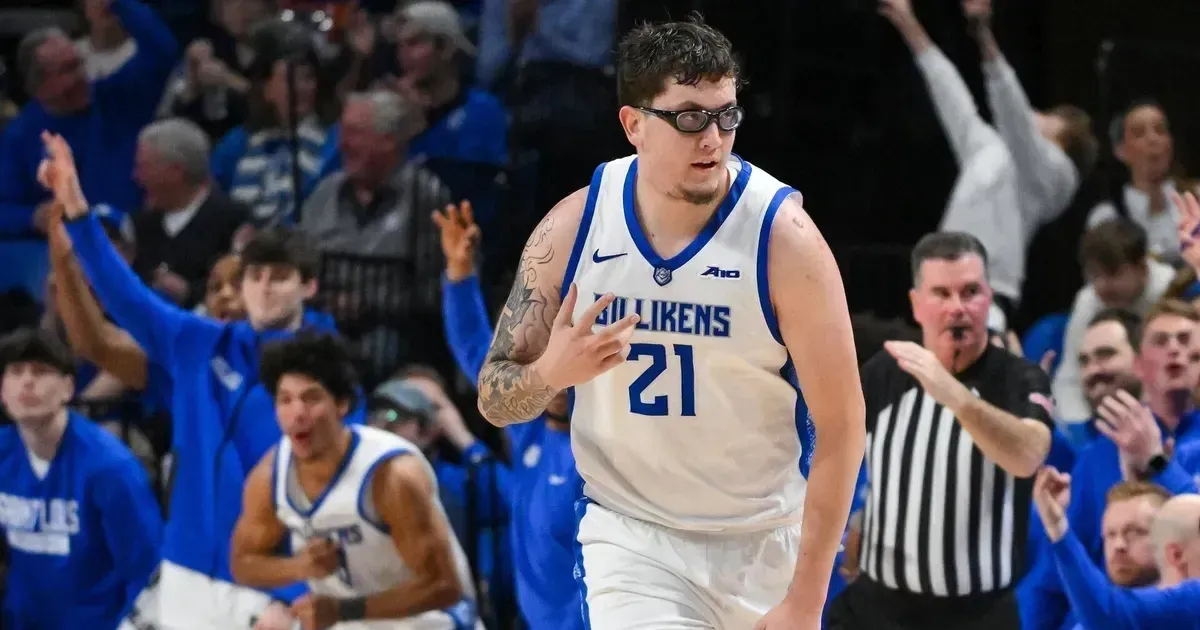
Ohio State's coaching staff has spent the week focusing on fronting the post to deny Lendeborg easy touches near the rim. The Atlantic 10 Tournament provides the backdrop, where Saint Louis faces George Washington in a battle of contrasting philosophies. Robbie Avila, the Saint Louis big man often called Cream Abdul-Jabbar, remains the most unique offensive weapon in the conference. His ability to pass from the high post creates open lanes for Billikens cutters and allows Saint Louis to operate a highly efficient half-court offense.
George Washington counters with a perimeter-centric attack that ranks among the fastest in the country. The Revolutionaries seek to neutralize Avila by forcing him to defend in space and run the floor for forty minutes. SportsLine's model has isolated the Saint Louis versus George Washington odds, suggesting the game will be decided by the effectiveness of the Billikens' zone defense. Josh Schertz brought his high-octane system from Indiana State to Saint Louis, and the 2026 season represents the culmination of that transition.
Models Meet March Volatility
Do we really believe a computer simulation captures the panic of a twenty-year-old kid at the free-throw line with five thousand fans screaming for his failure? The obsession with SportsLine models and KenPom metrics has sanitized the raw, chaotic energy of March into a series of cold spreadsheets. We treat these quarterfinal games like high-frequency trading sessions rather than the desperate, final stands of college athletes. Michigan and Kentucky fans act as though their lives depend on these outcomes, yet the reality is that the NCAA Tournament has become a commercial juggernaut that cares more about television ratings than the purity of the sport. We talk about the bubble as if it were a physical reality instead of a marketing tool used to keep us glued to our screens through a Friday afternoon in March. The transfer portal has turned these teams into mercenary squads, where loyalty to a jersey is secondary to the pursuit of a better NIL deal or a brighter spotlight. You can analyze the odds for Florida and George Washington until the servers overheat, but you cannot model the moment a star player decides he is simply not ready to go home. Data is a comfort for those afraid of the unpredictability that makes basketball worth watching.