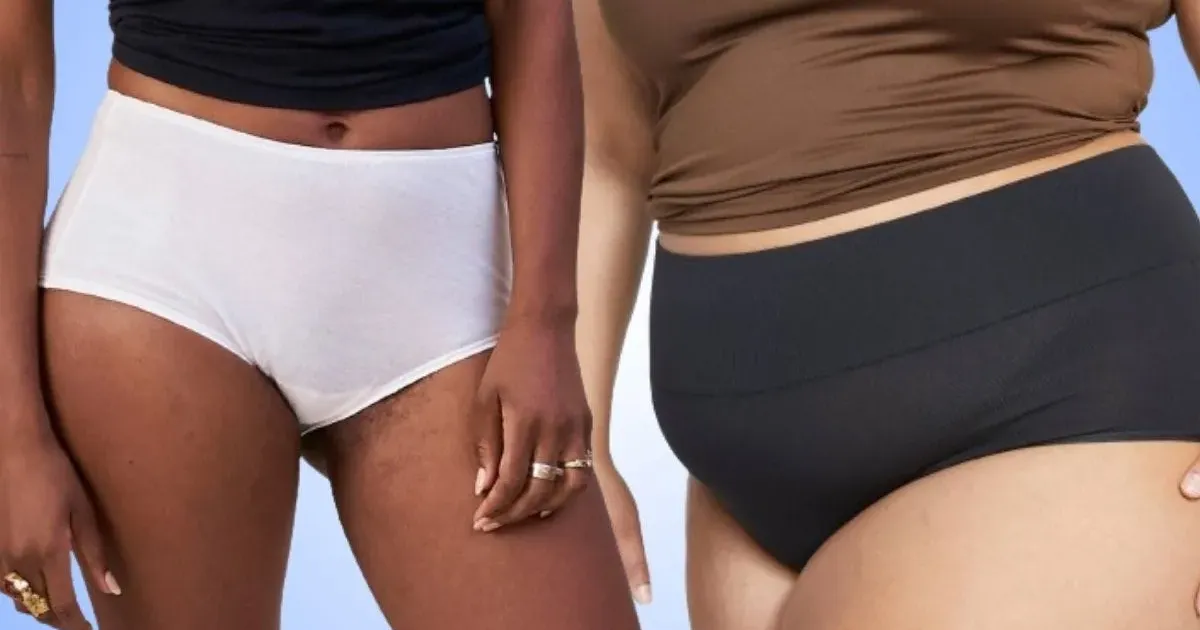
Dr. Kate White, a professor of obstetrics and gynecology at Boston University, identifies a growing medical consensus regarding intimate apparel choices. By March 12, 2026, the cotton shift had moved from lifestyle preference to retail signal. Artificial fabrics often block the body's natural processes. Synthetic materials like polyester or nylon trap moisture against the skin. Such lack of breathability frequently leads to increased discharge or stronger odors for many women. Cotton fibers offer a natural alternative that facilitates air circulation and moisture evaporation. Health professionals now emphasize the importance of a 100% cotton gusset lining as a non-negotiable feature for daily wear. Comfort has become the primary driver of purchase intent in 2026. Retailers have noticed this consumer shift away from purely aesthetic lace or restrictive synthetic blends. The market for basic cotton undergarments is expanding as wellness culture permeates every aspect of the wardrobe. Shoppers are increasingly skeptical of marketing claims that prioritize visual appeal over physiological benefit. This shift in sentiment forced major brands to rethink their textile procurement strategies. High-volume manufacturers like Hanes now focus on consistency and utility to retain their massive customer base. Their Ultimate High-Waisted Panties provide a true-to-size fit that removes the guesswork from multipack purchasing.
The Economics of Premium Natural Fibers
Premium brands utilize material engineering to differentiate themselves from budget-tier alternatives. Tommy John employs extra-long cotton fibers to create their Cool Cotton Brief line. These longer fibers result in a smoother yarn, which feels silkier on the skin than standard short-staple cotton. Long-staple cotton also resists pilling and maintains its shape after repeated laundering. While standard cotton can sometimes feel heavy, these advanced weaving techniques ensure the garment remains lightweight. This focus on material integrity justifies a higher price point for many discerning buyers in the current economy.
Price sensitivity dictates the success of budget options.
Wirarpa captures the value-conscious segment by offering cotton briefs with double-layer construction. Their design utilizes thick seamless banding to prevent the fabric from rolling down during physical activity. These practical considerations resonate with workers who spend long hours on their feet. Budget-friendly brands prove that ergonomic design does not require a luxury price tag. Yet, the durability of these items remains a key metric for long-term consumer loyalty. Investors are watching these mid-market companies closely to see if they can maintain margins while raw cotton prices fluctuate.
Functional Innovation and Leakproof Technology
Leakproof technology has transformed the cotton underwear sector into a high-growth niche. Knix leads this innovation by layering cotton and modal to create absorbent barriers. These layers provide security without the bulkiness associated with traditional feminine hygiene products. Cotton modal blends offer a softer hand-feel than pure cotton while maintaining the necessary structural integrity for leak protection. Many users report feeling more secure in these multi-layered garments during daily routines. Technology that combines health requirements with everyday comfort continues to attract significant venture capital interest.
Organic production standards represent another significant frontier for the industry. Duluth Trading Co. targets environmentally conscious consumers with their Free Range Organic Cotton Briefs. Organic farming avoids the use of synthetic pesticides, which appeals to shoppers with sensitive skin. These garments often feature unique patterns to break the visual monotony of basic whites and nudes. The movement toward organic textiles reflects a broader demand for transparency in the apparel supply chain. Consumers want to know where their cotton was grown and how it was processed before it reaches their top drawer.
Basic apparel categories often remain resilient during periods of economic volatility. Underwear is a necessity rather than a discretionary luxury, but the flight to quality is a distinct trend in 2026. Buyers prefer spending more on a single pair of durable cotton briefs than on multiple pairs of cheap synthetics that wear out quickly. This behavioral change impacts how retailers manage their inventory levels. They are stocking fewer trendy styles and more permanent collections of high-quality cotton staples. Supply chains are adapting to source more sustainable fibers to meet these new standards of longevity.
Manufacturing hubs in North Carolina and Southeast Asia are seeing a resurgence in cotton spinning demand. New textile mills utilize automation to handle delicate long-staple cotton with minimal waste. Such efficiency gains help keep prices stable for the end user. While logistics costs remain a concern, the high demand for breathable cotton ensures steady shipping volumes. Textile engineers are also experimenting with recycled cotton to reduce the industry's environmental footprint. These developments indicate a long-term commitment to natural fibers in the intimate apparel space.
Comfort Becomes the Retail Signal
The retail signal is practical rather than fashionable. Consumers are rewarding breathable fabric, predictable fit and materials that feel easier to trust for daily wear.
That does not make every premium label automatically persuasive. The strongest brands in this category will be the ones that pair cotton comfort with clear durability, transparent sourcing and prices that do not turn a basic need into a luxury.