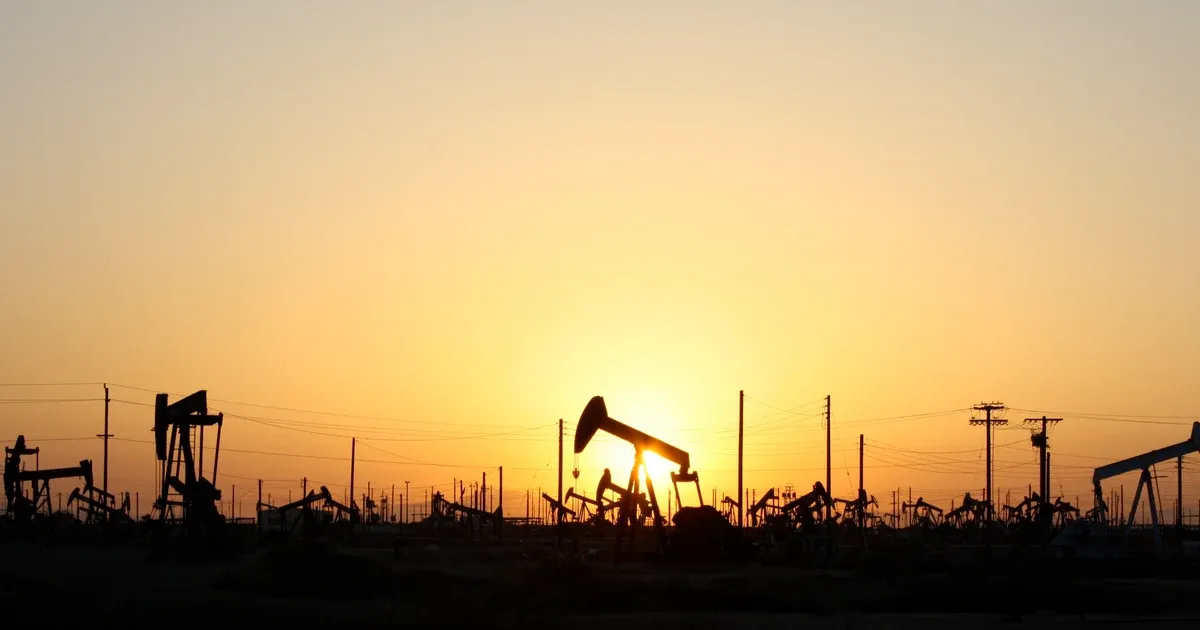
Crude prices broke above $100 in a shock move that left markets and governments confronting severe energy stress while inflation remained politically sensitive. The price move had been building through supply fears, shipping risk and geopolitical escalation. By March 12, 2026, traders were already comparing the shock with earlier energy crises as the $100 threshold became the dominant market signal. Oil at this level is not only a commodity story. It reaches households through fuel, airlines through jet costs, factories through inputs and governments through subsidy pressure.
Crude prices topped $100 in the biggest spike since 1983, forcing markets and governments to confront a severe energy shock with inflation still politically sensitive.
A Shock Beyond the Barrel
Crude spikes are often described through headline prices, but the economic damage depends on how long the shock lasts and how widely it spreads through refined products. A short surge can be absorbed through inventories, hedging and temporary consumer pain. A sustained move can reset inflation expectations and force businesses to change prices, routes and investment plans. That is why $100 crude matters. It becomes a reference point for decisions far beyond trading desks.
Inflation Pressure
Fuel prices move quickly into household psychology. Drivers notice gasoline changes faster than they notice many other forms of inflation, which gives oil shocks outsized political force. Freight and food costs can also rise as diesel and transport expenses move through supply chains. Airlines may face pressure to raise fares or cut margins if jet fuel remains expensive. Central banks face a difficult problem. Raising rates cannot produce oil, but ignoring an energy shock can let inflation expectations harden.
Government Options
Governments can release strategic reserves, reduce fuel taxes, offer targeted subsidies or pressure producers diplomatically. None of those tools fully solves a physical supply problem. Reserve releases can calm panic but cannot replace secure flows indefinitely. Subsidies can protect households but strain budgets. Tax cuts can help drivers while weakening public revenue. The most durable solution is lower risk around supply routes and production, but diplomacy often moves more slowly than markets.
Market Behavior
Traders will watch shipping insurance, refinery margins, inventory draws and statements from major producers. Each signal can either confirm a real shortage or show that fear is running ahead of physical disruption. Speculative flows can amplify the move. When a price level becomes psychologically important, momentum traders may enter even if the underlying supply picture is still uncertain. That makes volatility likely. A ceasefire hint, reserve announcement or producer statement could move prices sharply in either direction.
Global Unevenness
The shock will not hit all countries equally. Exporters may gain revenue, while import-dependent economies face currency pressure, trade deficits and higher subsidy bills. Poorer countries can be forced to choose between protecting consumers and protecting public finances. Wealthier countries have more tools, but they still face political anger when fuel costs rise suddenly. Energy shocks expose inequality because every country buys the same global commodity with very different fiscal capacity.
Economic Fallout
If crude stays above $100, the effect could move from market stress into slower growth. Consumers may cut discretionary spending, firms may delay investment and governments may redirect budgets toward relief. The path now depends on duration. A brief spike becomes a warning. A prolonged spike becomes a macroeconomic event. The market has crossed a threshold that policymakers cannot dismiss. Crude above $100 turns geopolitical risk into a daily cost, and that cost will be measured at pumps, ports, stores and central-bank meetings. The comparison with 1983 matters because energy shocks are remembered through inflation, recession fears and geopolitical vulnerability. A move above $100 is not just a trading milestone. It becomes a political number that households, airlines, factories and central banks understand immediately. Supply risk is the first channel. If traders believe barrels may be delayed, rerouted or lost, prices rise before actual shortages appear. Markets price fear as well as physical disruption, especially when spare capacity is uncertain. Demand risk is the second channel. High crude prices can behave like a tax on consumers and businesses. Drivers spend more on fuel, shipping costs rise, airlines face margin pressure and manufacturers watch input costs move through the supply chain.
The inflation problem is especially difficult for policymakers. If central banks treat the shock as temporary, they risk letting expectations drift. If they tighten too aggressively, they may slow growth in response to a supply problem they cannot directly fix. Governments will also face pressure to intervene. Strategic reserve releases, fuel-tax relief and diplomatic pressure on producers can soften the blow, but none of those measures fully controls a market driven by geopolitical fear. Energy companies may benefit from higher prices, but the industry also faces uncertainty. Rapid spikes can trigger political backlash, windfall-tax talk and pressure to expand production quickly in a market that may later reverse. Consumers usually see the shock through gasoline and utility bills. That visibility makes crude prices politically explosive. A number on a commodities screen can become a kitchen-table issue within days if retail prices follow.
The biggest danger is feedback. Higher oil can worsen inflation expectations, weaken consumer confidence and increase pressure on governments to make fast decisions. That can turn a market move into a broader economic stress test. The path from here depends on whether the spike is confirmed by supply losses or cooled by diplomacy, inventories and producer response. If traders see containment, prices can retreat. If they see widening risk, $100 may become a floor rather than a ceiling.
A sustained spike would also reshape corporate planning. Airlines may hedge more aggressively, logistics companies may add surcharges and manufacturers may revisit forecasts that assumed calmer energy costs. Those adjustments can spread through prices even before consumers see the full shock. The political calendar matters because fuel prices are one of the fastest ways voters feel global instability. Leaders who cannot control crude markets are still judged by the prices on signs, bills and delivery fees. That is why crude prices above $100 can become a governing problem. The number condenses supply risk, inflation fear and geopolitical anxiety into a single public signal. The risk for markets is that every new headline becomes self-reinforcing. Traders buy protection, consumers expect higher prices, companies adjust costs and policymakers become more defensive. Breaking that loop requires credible evidence that supply routes and producer behavior are stabilizing. Until then, the spike will remain more than a commodity story. It is a test of how much energy stress the broader economy can absorb without turning caution into contraction. For policymakers, the problem is that energy inflation can spread faster than the tools meant to contain it.
Energy shocks also have distributional effects. Wealthier households can absorb higher fuel costs more easily, while lower-income workers and small businesses feel the squeeze faster. That inequality can turn an oil-market event into a political stress point. The longer crude stays elevated, the more those pressures spread. A brief spike is painful but manageable. A sustained shock can change wage demands, business pricing and the way voters judge economic competence.