Miguel Diaz-Canel stepped before a microphone on Friday to admit what many in the Caribbean had long suspected. For the first time, the Cuban government acknowledged direct negotiations with the administration of Donald Trump. These talks aim to bridge a chasm that has widened since the White House reimposed severe restrictions on the island nation. Havana remains desperate. Chronic blackouts have paralyzed major cities, leaving 11 million residents in the dark for days at a time. This energy crisis forced the hand of a leadership that usually prides itself on defiance against American pressure. According to official statements, the discussions focused on resolving differences that have crippled the local economy. While the New York Times reports that the Cuban government is facing its most significant domestic threat in decades, Al Jazeera sources indicate that the talks are a direct result of a tightening oil blockade.
Reports from Havana suggest that the atmosphere in these secret meetings remains tense. Cuban officials characterized the discussions as a search for solutions through dialogue, even as Washington refuses to ease its current sanctions regime. The economic pressure from the United States has reached a boiling point, affecting every facet of daily life from cellular communications to basic primary education. In fact, many schools have transitioned to part-time schedules because of the lack of reliable electricity.
Energy Crisis Pushes Havana to Talks
Blackouts have become the defining feature of life in the capital and surrounding provinces. For one, the national power grid has collapsed multiple times over the last month, leaving hospitals reliant on aging diesel generators that often fail. But the government has little choice but to engage with its northern neighbor to seek relief. President Miguel Diaz-Canel confirmed that the primary goal of these sessions is to find a path toward stabilizing the energy supply.
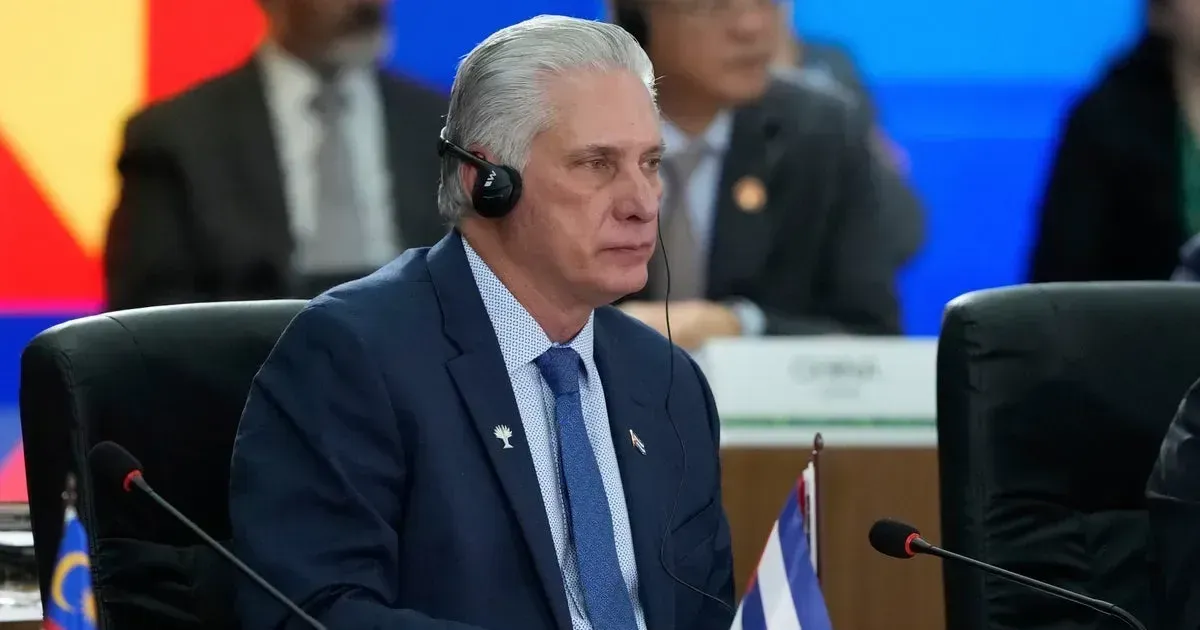
President Miguel Diaz-Canel said on Friday that officials held recent talks with the US aiming to resolve differences between the two countries.
Public transportation has ground to a virtual halt in most municipalities. Still, the government continues to blame external factors for the systemic failure of its infrastructure. France 24 noted that the energy blockade has caused a ripple effect, leading to shortages in food distribution and clean water access. Without fuel to power the pumps, water remains stagnant in reservoirs while residents queue for hours with plastic buckets. This reality has stripped away the political buffer the Communist Party once enjoyed. Food prices have skyrocketed by over 400 percent in some local markets. Meanwhile, the Cuban administration is struggling to find alternative partners after traditional allies decreased their subsidized oil shipments. The lack of foreign currency has made it nearly impossible for the island to purchase fuel on the open market. To that end, the recent talks represent a survival tactic rather than a shift in ideological conviction.
Oil Sanctions Keep Pressure on Cuba
Washington has shown no signs of softening its stance despite the ongoing negotiations. The Trump administration has focused its strategy on maritime shipping, blacklisting tankers that transport crude from Venezuela to Cuban ports. This strategy has successfully choked the flow of energy to the island, leading to the current state of emergency. According to analysts, the $11 billion in annual losses attributed to the embargo has finally reached a point where Havana cannot sustain its basic services. The State Department has not officially confirmed the details of the meetings. Yet, the acknowledgment from Havana suggests that some level of communication is necessary to prevent a total humanitarian collapse. By contrast, previous administrations had attempted a more diplomatic approach that focused on private sector growth. The current White House policy prioritizes direct economic pressure to force political concessions. The approach has left the Cuban leadership with few options.
Diplomatic sources indicate that the United States is demanding the release of political prisoners as a prerequisite for any sanctions relief. For instance, several high-profile activists detained during the 2021 protests remain behind bars. The Independent noted that this is the first time the Caribbean country has confirmed speculation about these high-level contacts. But the Cuban government has yet to signal whether it will meet the specific demands of the American negotiators.
Public Unrest Narrows the Room
Street demonstrations have flared up in eastern provinces where the blackouts are most severe. Military leaders are reportedly divided on how to handle the escalating crisis. Some high-ranking officers favor a more rapid opening to the global market, while hardliners fear that any concession will lead to the end of the socialist project. In particular, the younger generation of Cubans has little memory of the revolution and expresses more interest in economic stability than political ideology. The outcome of the talks with the United States will likely determine the fate of the current administration.
Negotiations are expected to continue in a third-party location over the coming weeks. At the same time, the United States is increasing its surveillance of Caribbean shipping lanes to ensure the blockade remains airtight. The dual-track approach of talking while tightening the screws is a hallmark of the current American foreign policy toward the region. No formal agreements have been signed as of March 13. The lack of a clear timeline for relief means that the blackouts will likely persist into the summer months.
Communication channels remain open despite the public rhetoric of both nations. For one, technical teams have discussed civil aviation and maritime safety in the past, but the current energy focus is a significant escalation in the scope of the talks. Still, the fundamental differences in political systems continue to hamper long-term progress. Havana continues to demand an end to the embargo, while Washington insists on democratic reforms. Neither side appears ready to blink first. Energy experts believe the Cuban grid requires a total overhaul that could cost billions of dollars. But the island lacks the credit rating to secure international loans. That financial isolation is the most potent weapon in the American arsenal. Until a resolution is reached, the 11 million people living on the island will continue to endure a life defined by darkness and scarcity. The recent confirmation of talks is a rare admission that the status quo is no longer tenable.
Diplomacy Starts With Scarcity
Does anyone truly believe that a few hours of dialogue in a neutral hotel room will dismantle sixty years of hostility? The notion that Havana is negotiating in good faith is a fantasy designed to buy time for a regime that is literally running out of fuel. Washington is correctly utilizing the only pressure that has ever worked against the Castro-era remnants: the stomach. By choking off the oil supply, the Trump administration has achieved what decades of soft diplomacy failed to do.
It has forced the Communist Party to admit their system cannot survive without the very capitalist neighbors they claim to despise. But the United States must be careful not to settle for half-measures. A few released prisoners or a temporary reduction in anti-American rhetoric should not be enough to lift the blockade. True change requires the total dismantling of the repressive state apparatus that has stifled the Cuban people since 1959.
If Miguel Diaz-Canel wants the lights to stay on, he needs to understand that the price is not just a conversation, but the end of his party's monopoly on power. Anything less is a diplomatic retreat that the United States cannot afford to take. The blackouts are a symptom of a failed state, and the remedy is not more oil, but more freedom. That pressure campaign must continue until the regime in Havana has no choice but to fold.