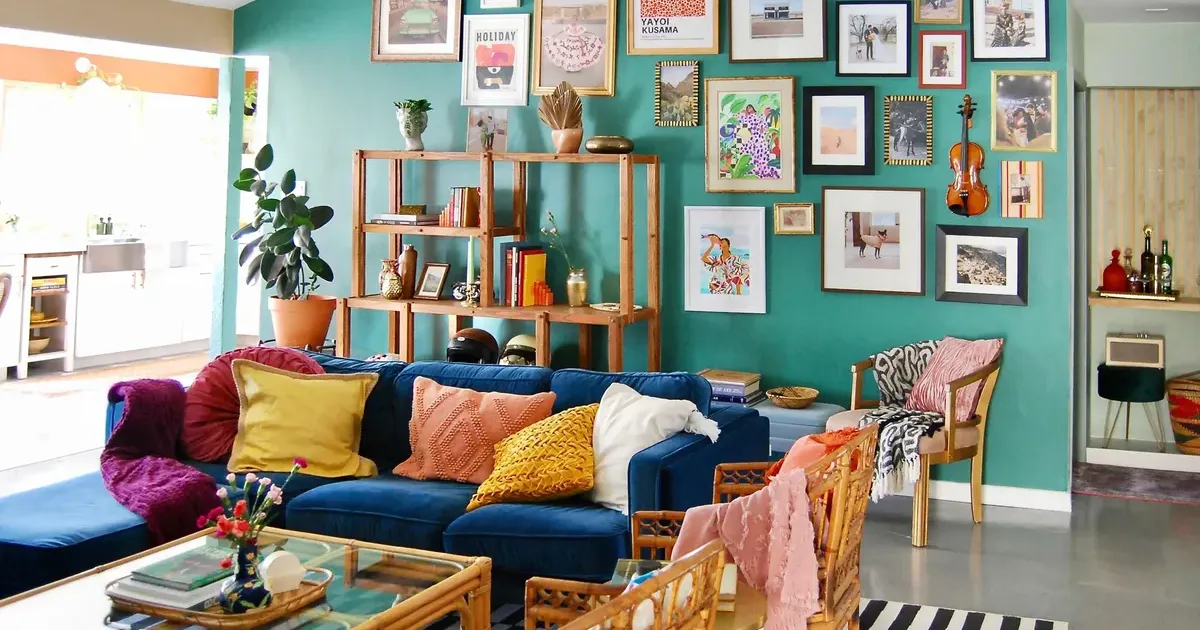
Dark interior paint is giving some homeowners the kind of online style win that becomes expensive in real rooms. The design backlash spread on March 12, 2026, as homeowners compared social-media inspiration with real renovation costs.
The Trend Looks Better Online
Austin, Texas, served as the epicenter for a design movement that favored the dramatic over the practical. In the spring of 2023, homeowners like Nayeli C. transformed living spaces into moody sanctuaries using deep, saturated tones that promised a sense of sophisticated enclosure. While these dark hues dominated social media feeds for years, the professional painters tasked with maintaining them now tell a different story. These experts report a significant surge in clients requesting total repaints to erase the very trends they once craved. The allure of charcoal, navy, and forest green has collided with the harsh reality of domestic wear and tear, leaving many residents with empty pockets and scuffed walls. Designers frequently cite the emotional depth of dark colors, but they often ignore the physical properties of the paint itself. Saturated pigments require a higher concentration of colorant, which can compromise the structural integrity of the paint film. When a wall is painted in a deep matte black or a midnight blue, every touch, scrape, or wipe leaves a permanent mark known as burnishing. Professional contractors explain that these marks occur because the matte particles are easily flattened, creating a shiny spot that reflects light differently than the surrounding area. Traditional cleaning methods only worsen the problem, effectively polishing the wall rather than cleaning it. Social media platforms like Pinterest and TikTok amplified the moody aesthetic without providing a disclaimer about the upkeep required. High-definition photography often masks the imperfections that plague dark walls in natural light. In a controlled studio setting, a deep green wall looks flawless. Within a family home where children, pets, and everyday activities occur, those same walls become a map of fingerprints and dust. Unlike lighter shades like off-white or light gray, dark colors offer no camouflage for the debris of daily living.
Dust, which is primarily light-colored skin cells and fabric fibers, stands out with aggressive clarity against a dark backdrop.
Repainting Is the Hidden Cost
Maintenance involves more than occasional dusting. Professional painters in major metropolitan areas such as New York and London report that dark rooms require repainting twice as often as light ones. The pigments in dark paints are also more susceptible to UV fading, particularly in rooms with large, south-facing windows. Sunlight breaks down the chemical bonds of the colorants, leading to a patchy, uneven appearance within just a few years of application.
Homeowners who invested thousands of dollars in a professional application find themselves back at the starting line much sooner than they anticipated. Light reflectivity remains a critical factor that many DIY enthusiasts overlook during the planning phase. Every paint color has a Light Reflectance Value (LRV), measured on a scale from 0 to 100. True blacks can have an LRV as low as 5, meaning they absorb 95 percent of the light that hits them.
This shift in light absorption fundamentally changes the heating and cooling dynamics of a room. During summer months, dark interior walls can contribute to higher ambient temperatures inside the home, forcing air conditioning systems to work harder. The financial impact of the dark paint trend extends beyond the cost of the cans and brushes to the monthly utility bill. This aesthetic choice creates a significant hurdle during the resale process.
Real estate agents consistently advise sellers to neutralize their homes before listing, but neutralizing a dark room is a logistical nightmare. It often takes one coat of high-quality primer and three coats of premium light paint to hide a deep navy or a saturated burgundy. The labor costs for such a project are double what a standard repaint would be, as contractors must spend extra time ensuring the dark base does not bleed through the new finish. Many buyers view a dark room as a chore they must complete rather than a luxury feature they should pay for.
The cost of a color correction rarely favors the homeowner.
Mood Boards Do Not Pay the Contractor
Dark interior paint trends can make rooms feel smaller and harder to light. Some homeowners face repainting costs after discovering the look does not work in daily use. Dark rooms can look disciplined and expensive in a staged photograph. In ordinary homes, with weak natural light and real furniture, the same choice can become a maintenance problem, a resale problem and a weekend project that suddenly needs a professional.
Paint is cheap only until primer, labor and resale anxiety join the invoice.