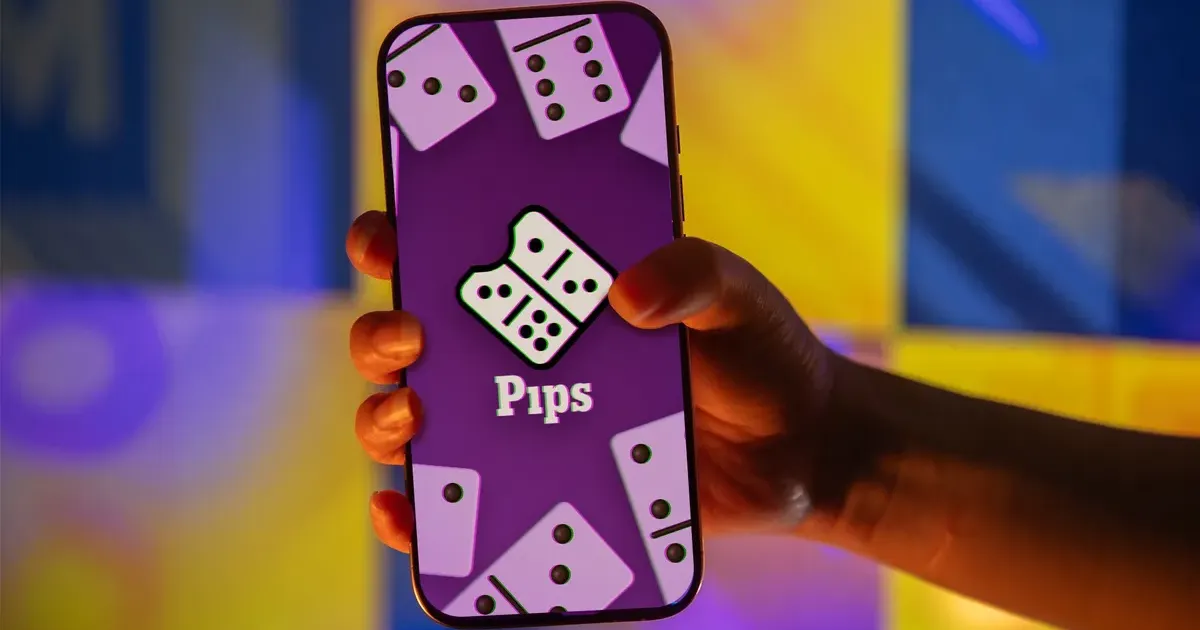
Morning commuters across New York and London started March 11, 2026, with a familiar digital ritual that now anchors the daily routine of millions. What began with a simple grid of five-letter words years ago has blossomed into a sophisticated ecosystem of logic, sports trivia, and spatial reasoning. The New York Times games division continues its aggressive expansion, solidifying its role as a primary driver for the company’s subscription growth. While the Mini Crossword remains a staple, newer entries like Pips and Connections: Sports Edition occupy the current center of the cultural conversation. August 2025 saw the introduction of Pips, a game that reinvented the fundamental mechanics of dominoes for a single-player audience. Players today find themselves grappling with a March 11 puzzle that demands not merely matching numbers. Pips requires a deep understanding of color-coded logic. Tiles must be placed horizontally or vertically to meet specific constraints within shaded areas of the board. Some zones require all pips to add up to a specific sum, while others mandate that every domino half be either equal or entirely different from its neighbor. Such complexity moves the game away from luck and toward the kind of rigorous deduction found in Sudoku or KenKen. Logic puzzles now dictate the morning rhythms of millions. Specific clues for today’s Pips session include various inequality constraints. If a player encounters a 'Less than' zone, every domino half in that space must sum to a total below the provided number. Conversely, 'Greater than' zones require a higher pip count. One frustration for the user base is the current lack of a hint system. If you find yourself stuck, the interface currently only allows a full reveal of the solution. Doing so forces a transition to the next difficulty level, effectively ending the current session. Players have turned to external guides to bridge this gap, seeking piecemeal hints to maintain their streaks without surrendering the entire puzzle to the computer. Sports enthusiasts have found their own niche within this digital architecture. New York Times Games launched Connections: Sports Edition in association with The Athletic, leveraging the editorial expertise of their 2022 acquisition. This specific version of the grouping game tests deep-cut knowledge that often eludes casual fans. Today’s set of words for March 11, 2026, leans heavily into the National Football League. Successful players will need to identify a specific NFL division to clear one of the four required categories. Like the standard version, sixteen words are presented in a grid, and players must find the common threads that bind them into groups of four. Errors in Connections carry a heavier weight than in other daily puzzles. Users are permitted only four mistakes before the game ends. The March 11 puzzle includes several red herrings that could fit into multiple categories, a design choice intended to stall quick solvers. One group might focus on player positions, while another identifies cities that have hosted the Super Bowl. Shuffling the board remains the most effective strategy for breaking the mental blocks that occur when staring at the same grid for too long. Casual play has become a serious business. Mini Crossword solvers faced a Wednesday grid that balanced pop culture with traditional wordplay. CNET reports that the March 11 Mini features a mix of contemporary tech references and classic crossword tropes. While the main Sunday Crossword remains the prestigious crown jewel of the portfolio, the Mini provides the quick dopamine hit necessary for the high-velocity digital age. It serves as the gateway for younger subscribers who might find the full-sized puzzle too time-consuming or archaic. Financial analysts point to these games as the primary engine for the 15 million subscriber goal set by the Times board. Digital games subscriptions often serve as the initial point of entry for readers who eventually add news and cooking bundles. The interaction between The Athletic and the games department illustrates a savvy cross-promotion strategy. By embedding sports-specific content into the gaming app, the company ensures that its high-priced sports journalism reaches a broader demographic than just the traditional box-score reader. Success in this sector has changed the way competitors view their own lifestyle sections. Both Mashable and CNET have expanded their coverage of daily game solutions, recognizing the massive search traffic generated by stuck players every morning. This March 11 update is no exception, as thousands of users search for 'Pips dominoes guide' or 'Connections sports hints' before their first cup of coffee. The reliance on these puzzles creates a form of digital 'stickiness' that news stories, which are often grim or repetitive, cannot replicate. Technology and psychology meet at the intersection of these daily tiles and grids. The New York Times has mastered the variable reward schedule, giving players enough small wins to keep them coming back while providing enough challenge to make the victory feel earned. Pips, with its August 2025 release, represents the latest iteration of this philosophy. It moves beyond words into the realm of spatial math, ensuring that the brand appeals to a diverse range of cognitive strengths. Yet the question remains whether this pivot toward gaming will eventually overshadow the core journalistic mission of the institution. Expansion into new game formats shows no signs of slowing down. Rumors within the industry suggest that the Times is testing an augmented reality version of its puzzles for the next generation of wearable devices. For now, the focus remains on the mobile screen. The March 11 puzzles for Pips, Connections, and the Mini Crossword offer a glimpse into a future where news organizations are as much about entertainment and cognitive training as they are about reporting.

The Elite Tribune Perspective

Is the New York Times still a newspaper, or is it merely a crossword app with a high-budget newsroom attached as a tax write-off? Critics often lament the decline of hard journalism, but the March 11 games update reveals a far more cynical reality about the modern attention economy. what is unfolding is the total gamification of the intellectual class. By hooking readers on a daily cycle of Pips and Connections, the Times has effectively replaced civic engagement with digital dopamine. The fact that the most searched terms on a major news day are 'Pips hints' rather than 'geopolitical stability' is an indictment of our collective priorities. This reliance on The Athletic to fuel sports trivia games is a transparent attempt to monetize fandom rather than inform it. If the path to financial survival for the 'Gray Lady' requires turning us all into puzzle-obsessed shut-ins, perhaps the price of that survival is too high. A news organization should be measured by the transparency of the government it watches, not by the complexity of its domino-based logic puzzles. We have traded the grit of investigative reporting for the gloss of a well-designed user interface, and the March 11 data proves we are perfectly happy with the trade.