On April 4, 2026, Marvel Studios solidified its long-term streaming strategy by greenlighting a third season of Daredevil: Born Again before the inaugural season even finished its initial broadcast run. Disney executives approved the extension following internal metrics that indicated high retention rates for the street-level superhero drama. Production schedules suggest that filming for the third installment will start in New York later this year. Charlie Cox will return to lead the cast in his signature role as Matt Murdock.
Fan reactions to the news have focused on the series' commitment to the darker tone originally established during its tenure on Netflix. Disney appears to be leaning into the gritty aesthetic that defined the character's early success. Marvel Studios insiders claim the narrative trajectory for the third season will integrate several major comic book storylines that were previously considered too mature for the Disney+ platform. The renewal news arrived alongside reports that the 1993 Super Mario Bros. film continues to be excluded from major subscription services.
Marvel Studios Confirms Daredevil Season Three Production
Murdock's return to the small screen has been met with extensive logistical planning to ensure continuity within the broader cinematic universe. Marvel Studios has reportedly structured the production of Born Again to serve as a foundation for future urban-focused narratives. This decision follows a period of creative restructuring where the studio prioritized character-driven stories over multiversal spectacles. Season three will reportedly expand the role of Kingpin, played by Vincent D'Onofrio, into a more central figure in the political landscape of the fictionalized New York City. Critics have noted that the studio is doubling down on established fan favorites to stabilize its streaming viewership numbers.
Reports from Gizmodo indicate that the upcoming plot points for the third season include developments that fans have long requested. Spoilers regarding the return of specific supporting characters have already begun to circulate within production circles. Marvel Studios has not officially confirmed these rumors, but the early renewal suggests a high level of confidence in the creative direction led by the current showrunners. The commitment to three seasons of television is a shift in how the studio handles its episodic content.
Streaming platforms increasingly rely on these multi-season commitments to prevent subscriber churn in a competitive market. Disney+ has struggled with consistent viewership for its newer properties, making the reliability of a known quantity like Daredevil essential for its quarterly goals. Charlie Cox remains the main draw for the series, maintaining a vocal and loyal fanbase that has followed the character across multiple platforms and cancellations. His involvement remains central to the show's marketing strategy.
Super Mario Bros Rights Tangle Blocks Streaming Access
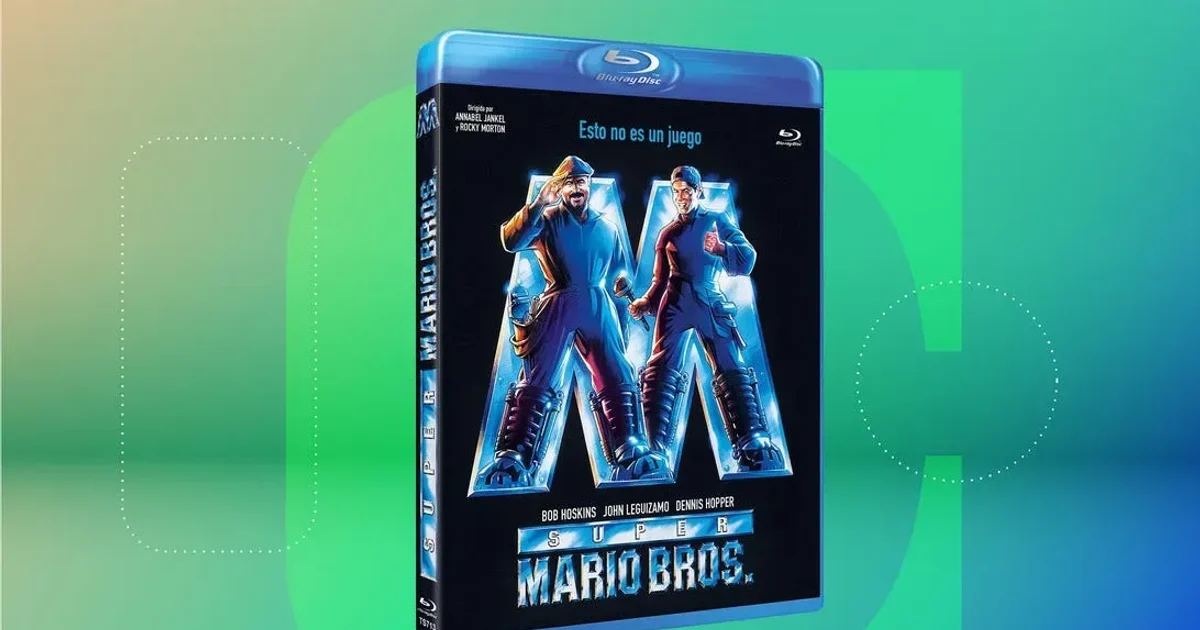
Nintendo's cinematic history contains a striking void where the original 1993 Super Mario Bros. movie should be. Despite the overwhelming success of the 2023 animated adaptation, the live-action precursor remains absent from every major digital library. CNET reports that the rights to the film are caught in a complex web of defunct production companies and shifting distribution agreements. Allied Filmmakers and Cinergi Pictures, the entities originally behind the project, no longer exist in their 1993 forms. This legal gridlock prevents modern audiences from accessing the film through standard subscription models.
Produced with a $48 million budget, the 1993 film became a legendary box office failure and a cultural curiosity. It remains a bizarre outlier in the history of video game adaptations because of its creative departures from the source material. Bob Hoskins and John Leguizamo starred in a version of Brooklyn that owed more to Blade Runner than to the Mushroom Kingdom. Nintendo has historically distanced itself from the project, which likely contributes to the lack of urgency in resolving its streaming availability. The film is essentially a digital orphan.
"The original 1993 Mario Bros. movie gives the impression that no one who made the film ever played the game," CNET said.
Physical media or secondary-market digital purchases remain the only reliable ways to view the film. Blu-ray releases and vintage DVDs have become the primary vehicles for cult fans to revisit this specific piece of media history. Rights for physical distribution often operate under different contracts than those governing modern SVOD platforms. As a result, the film remains trapped in a pre-digital legal framework.
Physical Media Value Rises for Missing Cult Classics
Collectors have noticed a price surge for the 1993 Mario movie on platforms like eBay and specialized boutique video stores. This trend reflects a growing realization among film enthusiasts that streaming libraries are far from complete. When legal disputes or corporate indifference removes a title from the digital ecosystem, physical discs become the only insurance against total erasure. Nintendo has shown no interest in acquiring the distribution rights to its first live-action foray, leaving the film in a state of perpetual limbo. Collectors now view the 1993 release as a trophy of media history.
Streaming Rights Keep Mario Film Offline
The Disney renewal shows how streaming libraries can grow while older rights remain locked away. Daredevil gets another run, but the 1993 Mario film remains a reminder that availability still depends on contracts.