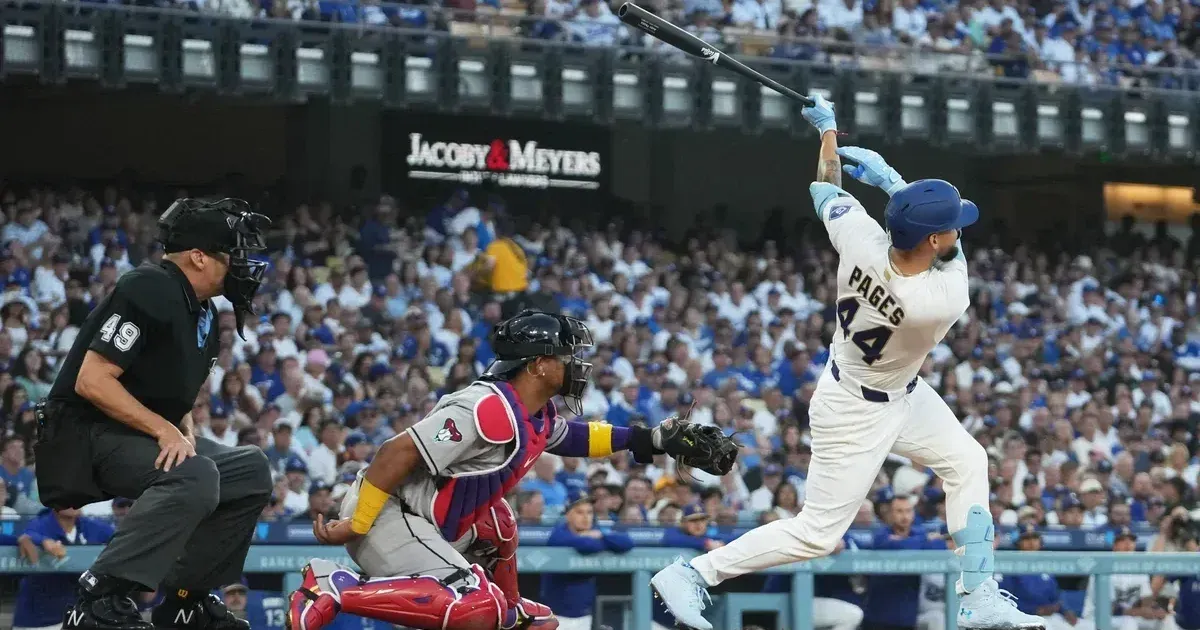
The Los Angeles Dodgers' fast start has already turned a talented roster into a record-watch conversation. The talk picked up on March 27, 2026, after the club's early performance made the idea of an extreme regular-season win total feel less like pure fantasy and more like a tempting benchmark.
That does not make 120 wins realistic in the ordinary sense. It means the Dodgers have enough depth and star power for analysts, fans and rivals to ask how far a modern superteam can push a six-month season.
Record Pace and Roster Depth
The first reason the conversation exists is depth. A great lineup can win games in April; a historically great regular season requires replacements, bullpen coverage, rotation management and enough offense to survive slumps. The Dodgers are built better than most teams for that grind.
The danger is that record talk can distort priorities. The postseason matters more than a regular-season number, and chasing every marginal win can strain pitchers and veterans. Management will have to decide when rest is worth more than another statement victory.
The Dodgers have enough depth to make the record talk plausible, but that same depth changes the standard for judging them. A fast start is useful only if the rotation, bullpen and everyday lineup stay durable deep into the summer. The club also knows regular-season pace can become a burden if every hot streak is measured against history instead of October readiness. Record pace can also distort roster management. Managers have to decide when to chase wins, when to rest stars and when to protect pitchers whose value will be judged most harshly in the postseason. That is why the coaching staff will probably treat the standings as useful evidence, not as a mandate to overextend key players before the schedule becomes more punishing. The front office also has to decide how much early dominance should influence deadline strategy, especially if injuries or bullpen fatigue change the club's needs by July. A record chase can energize fans, but it can also tempt a team into short-term decisions that do not match the larger championship plan.
Ohtani Workload Changes the Equation
Shohei Ohtani's return to pitching is the most important individual variable. As a hitter, he already changes the lineup. As a pitcher, he can also stabilize the rotation and reduce pressure on other starters if his workload is managed carefully.
That balance is delicate. Velocity, recovery days and innings limits will matter more than early highlights. The Dodgers do not need Ohtani to prove his value in March or April. They need him healthy when the games become more consequential.
The wider baseball context also includes Mike Trout, Paul Skenes and the commercial pull of star-driven jersey sales. Star power is concentrated, and the Dodgers benefit from a global audience that turns success into merchandise, ratings and even more attention.
Smaller-market frustration is part of that story. A team with enormous resources can absorb injuries and buy depth in ways rivals cannot. MLB can celebrate the engagement that Ohtani and the Dodgers generate while still facing questions about competitive balance.
Rotation management will be the first real test. A record pace can be built in April and May, but it is usually lost when starters tire, relievers are overused or injuries force too many replacement innings. The Dodgers' advantage is that they can absorb more of those shocks than most teams.
Lineup depth creates a similar cushion. If one star cools off, the club can still produce runs through the bottom half of the order. That is the kind of structure that makes a long winning pace possible, even if the headline attention naturally goes to Ohtani and the biggest names. Those Trout and Skenes references belong to the wider league context. Baseball's national conversation is shaped by stars returning to form, young pitchers managing workload and big-market teams drawing the largest audiences. The Dodgers sit at the center of that commercial and competitive picture. Still, the sport has a way of punishing certainty. Travel, weather, minor injuries and ordinary slumps accumulate over 162 games. A team can be historically talented and still find that the record book is less important than arriving in October intact. The front office will also have to manage public expectation. Once a roster is described as historic, ordinary stretches of .500 baseball can start to feel like failure even when they are normal over a long season. Keeping the clubhouse focused on process may matter as much as the talent advantage. For rivals, the Dodgers become both a target and a measuring stick. Every series against them carries extra attention, which can make the schedule feel heavier than the standings alone suggest. The coaching staff will also decide how aggressively to use off-days and lineup rotation. A team can protect veterans without conceding games if its bench is strong enough, and that may be the Dodgers most important edge over a full season. Record talk is fun in spring. The real test is whether the same roster still looks deep after the summer has taken its usual toll.
The next few months will show whether the Dodgers are chasing history or simply banking wins before the harder parts of the schedule. Injuries, bullpen fatigue and ordinary regression usually pull even elite teams back toward earth. The smarter goal is not a number. It is building a version of the roster that reaches October with enough health and flexibility to win when matchups tighten. If a record pace survives that approach, it becomes a bonus rather than a burden. For now, the Dodgers have earned the attention. The harder part is making sure the pursuit of history does not get in the way of the title chase, because patience may matter as much as pace.