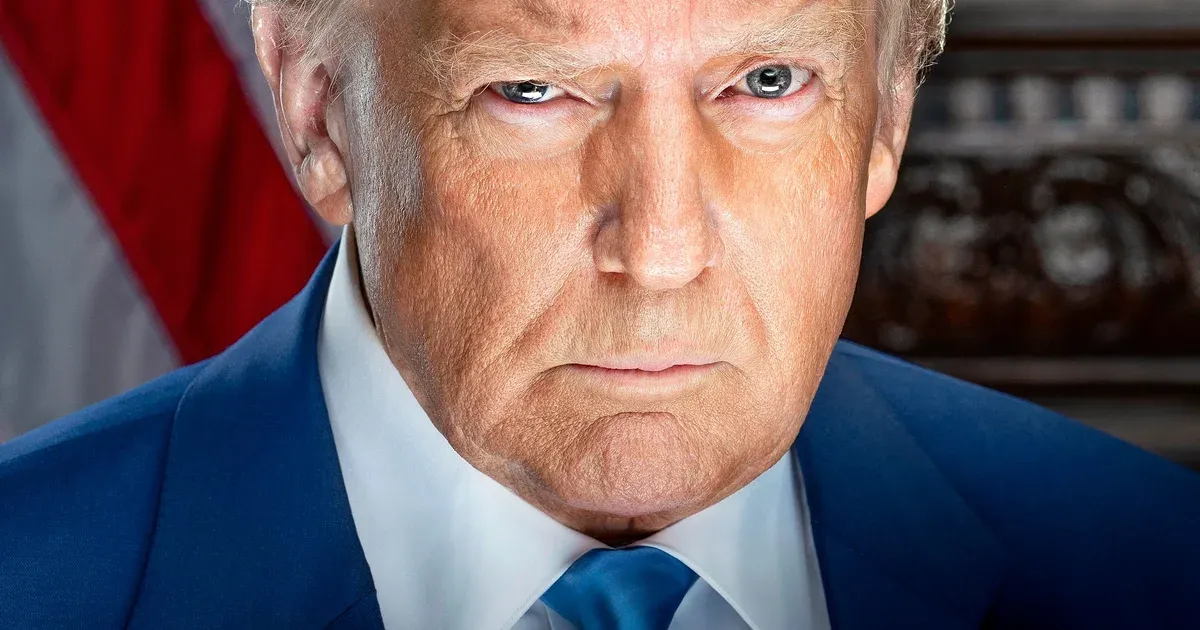
Donald Trump hosted a private briefing at his Florida estate to outline an isolationist ceasefire doctrine built around bilateral deals and personal leverage. The presentation favored transactional diplomacy over enduring multilateral alliances. Reporters focused on the setting because the gold-leafed room reinforced the personal branding around the policy. Advisers also emphasized that any pause would be judged by compliance, not ceremony. The April 9, 2026, briefing framed ceasefires as instruments of power rather than institutional peacekeeping. The doctrine treats conflict management as a sequence of bargains. Instead of building large coalitions or relying on standing institutions, Trump favors direct pressure on leaders who can deliver a visible pause in fighting. Supporters argue that this style can move faster than conventional diplomacy. Critics see agreements that may last only as long as personal incentives hold.
Personal Diplomacy and Institutional Risk
The approach fits Trump's broader foreign policy instincts. He has long preferred one-on-one negotiations, public deadlines and economic pressure over alliance process. In a ceasefire context, that can create dramatic announcements, but it can also leave details unresolved. Monitoring, enforcement and humanitarian access still require institutions after cameras leave the room.
A global ceasefire doctrine built on personal leverage also raises succession questions. If the authority behind an agreement is one leader's threat or promise, other governments may doubt whether the terms survive a change in mood, personnel or administration. That uncertainty can weaken compliance even before a deal is tested.
What the Doctrine Offers
The strongest argument for the model is speed. In fast-moving conflicts, formal diplomacy can lag behind battlefield realities. A leader willing to threaten sanctions, arms limits or diplomatic isolation may produce a pause that saves lives. The weakness is that speed can substitute for structure, leaving combatants free to resume violence once pressure shifts.
The Florida setting mattered because it blurred policy and brand. Trump presented ceasefire-making as a personal skill, not a bureaucratic process. That image appeals to voters who distrust foreign policy institutions, but it may unsettle allies who depend on predictable commitments.
Implementation is the unresolved point. A bilateral bargain can stop a leader from ordering fire for a day, but it cannot by itself manage prisoners, aid corridors, local commanders or outside sponsors. Those details determine whether a ceasefire becomes policy or simply another announcement in a pressure campaign.
Allies and Adversaries Read the Signal
Allied governments will study whether the doctrine reduces their influence. If Washington handles ceasefires as bilateral transactions, partners may be informed after key terms are set. That can produce resentment, especially when regional allies provide bases, intelligence or reconstruction money.
Adversaries may read the doctrine differently. Some could see an opening to win concessions through crisis behavior, betting that Trump wants a visible deal. Others may fear that failed talks will bring quick punishment. The same unpredictability that creates leverage can also create miscalculation.
The briefing did not settle whether the doctrine can work across multiple conflicts at once. It did show how Trump wants to define peace efforts: less as legal frameworks and more as high-pressure deals. That choice will shape how allies, rivals and voters interpret every ceasefire claim that follows.
The doctrine also creates an accountability problem. If a ceasefire succeeds, Trump can claim that personal leverage achieved what institutions could not. If it fails, responsibility can be shifted to foreign leaders who broke their word. That asymmetry is politically useful, but it may not produce durable security.
Humanitarian organizations will watch the details rather than the announcement. They need access corridors, verification rules and protection for civilians. A deal that pauses firing without solving those mechanics can create a temporary headline while leaving people exposed on the ground.
The briefing therefore marks the beginning of a test, not the end of one. The central question is whether a politics of personal pressure can build arrangements strong enough to survive after the initial threat or handshake fades. Congress may eventually test the doctrine through funding, oversight and alliance commitments. A president can announce a ceasefire strategy, but lawmakers can question the concessions, guarantees and enforcement mechanisms behind it. If the approach becomes central to campaign messaging, those questions will become sharper. For foreign governments, the safest assumption is that Trump's ceasefire diplomacy will be personal, public and conditional. That makes preparation essential. Leaders who enter talks will need to know which promises can be verified and which are mainly political theater. The danger for allies is that the method may produce movement without predictability, leaving them to manage the costs if a personal bargain begins to unravel. The doctrine may appeal to voters who want fewer open-ended commitments abroad. It promises visible deals, limited obligations and a president who claims personal control over outcomes. But foreign policy rarely stays inside that frame. Ceasefires require monitors, humanitarian arrangements, intelligence cooperation and consequences for violations. If those elements are weak, a fast deal can create a false sense of order. The fighting may pause, but the underlying incentives remain unchanged. The doctrine will be judged less by the announcement than by whether the ceasefires it produces still function weeks after the pressure campaign ends. Durability is the test.