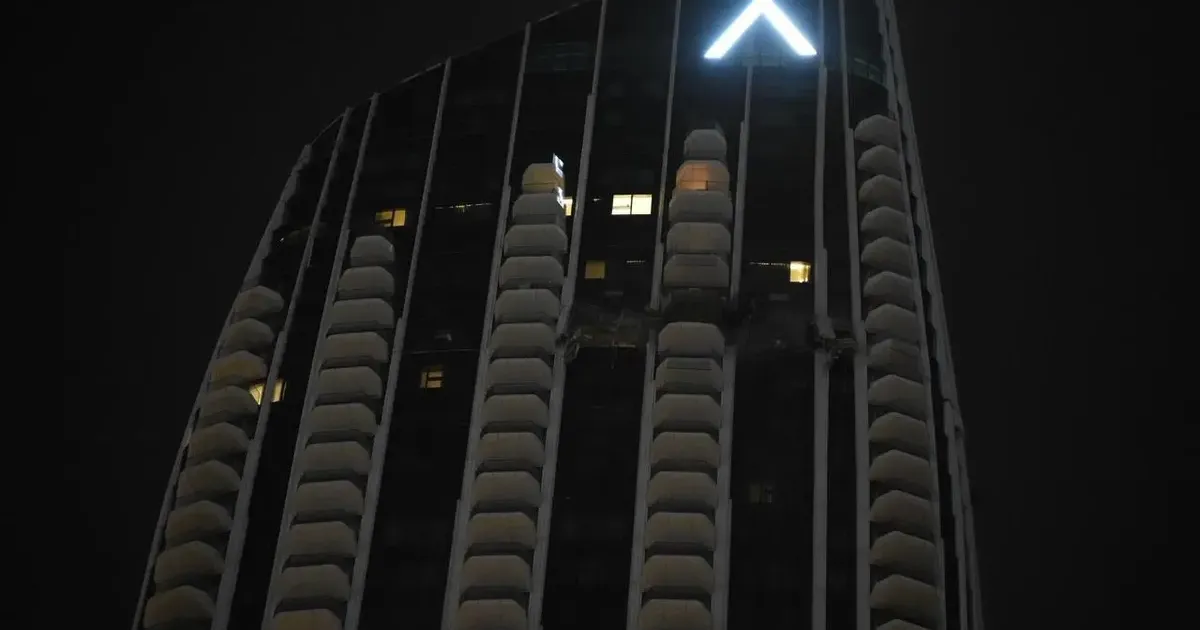
Fires in Dubai and the Gulf have turned regional escalation into a direct threat to commercial skylines and tanker routes. The fires drew market attention on March 12, 2026, as regional escalation moved from military maps into commercial infrastructure.
Commercial Targets Change the Risk
Al-Faw port turned into a theater of fire and twisted metal late Wednesday. Two foreign oil tankers erupted in flames within Iraqi territorial waters, sending plumes of thick, black smoke into the sky that were visible from miles away. Projectiles of unknown origin struck the vessels near the strategic al-Faw terminal, an incident that prompted an immediate and total shutdown of Iraq's oil-loading operations. Iraqi port authorities confirmed that emergency teams struggled for hours to contain the inferno as the ships drifted in the narrow, key shipping lanes. While commercial traffic continued at non-energy ports, the halt in oil exports sent immediate ripples through a global economy already jittery about Persian Gulf security. Farhan al-Fartousi, director-general of the Iraqi Port Company, told the Iraqi News Agency that rescue teams successfully evacuated more than 20 crew members from one of the stricken vessels. These sailors, mostly foreign nationals, were pulled from the water and burning decks by port employees who risked their lives in the heat. Still, the operation was not without tragedy. Port officials later confirmed that one crew member died during the strike or the resulting fire.
Tankers Bring Energy Markets Into the Crisis
This sailor's death marks a grim escalation in the physical cost of maritime insecurity in a region where commercial ships have increasingly become targets of political theater. One sailor died in the heat of the burning hull. Iraqi officials ordered the immediate closure of all oil ports along the coastline to prevent further attacks. This move effectively paralyzed Iraqi crude exports, forcing dozens of tankers to anchor in safer waters or divert their courses. Port employees described a scene of panic as the first explosions echoed across the water, followed by the sight of the two tankers listing as the fires consumed their upper decks. Security analysts note that the location of the attack, so close to Iraq's primary export hub, suggests a high level of precision and intent to disrupt the nation's economic lifeline. While Al Jazeera reported the fires were massive, details regarding the specific types of munitions used remain sparse, as no group has officially claimed responsibility for the barrage. Dubai experienced a different kind of terror just hours after the maritime strikes.
An Iranian drone slammed into a luxury skyscraper in the Dubai Creek Harbour district, an area known for high-end hotels and upscale residential living.
Urban Fire Images Travel Fast
Images circulated by the Iranian news agency Isna showed a jagged hole in the upper floors of a prominent hotel tower, with orange flames licking the facade against the dark night sky. Local civil defense units responded rapidly, and Dubai authorities later published photos of the building with the fire extinguished. Miraculously, the government of the United Arab Emirates reported zero injuries among the guests and residents, though the psychological impact on the tourism hub is likely to be profound. Iranian media outlets offered a starkly different narrative regarding the target.
Isna claimed that the drone strike was not an attack on civilians but a targeted operation against US military personnel. According to their reports, American operatives were using the luxury hotel as a secret hideout or intelligence base. Washington has remained silent on these specific allegations, neither confirming nor denying a military presence in the building. This claim remains unverified by independent observers on the ground, who saw only terrified tourists and hotel staff fleeing the burning structure.
The discrepancy highlights the growing use of information warfare to justify strikes on civilian infrastructure within neutral commercial zones.
Insurance Prices the Fear First
Video footage from the scene shows the drone impacting with a bright flash before the fire takes hold. Dubai Creek Harbour is one of the most prestigious developments in the city, situated away from the traditional industrial zones. Striking such a location demonstrates a willingness to ignore the unspoken rules of regional neutrality that have protected the UAE's economy for decades. Security experts suggest that the use of a drone, rather than a missile, allows the perpetrator to claim a level of precision while still causing maximum visual damage for propaganda purposes.
Brent crude spiked by nearly double digits in overnight trading. Traders in London and New York reacted with predictable intensity to the dual threats against shipping and urban centers. The Strait of Hormuz, often described as the world's most important energy chokepoint, sits uncomfortably close to both the al-Faw attacks and the Dubai strike. If Iraq keeps its oil ports closed for an extended period, the loss of millions of barrels per day will likely force prices even higher.
Shipping insurance premiums for vessels entering the Persian Gulf have already tripled after the news.
Escalation Is Now a Business Shock
Fires involving a Dubai skyscraper and Gulf tankers widened concern over regional escalation. Commercial infrastructure and energy shipping routes are now part of the risk picture. Insurance, logistics and investor confidence can react before governments confirm the full cause. Oil shipping is globally priced, so even perceived risk in Gulf routes can raise insurance and freight costs. Dubai matters symbolically because visible disruption in a major commercial hub carries economic and reputational weight.