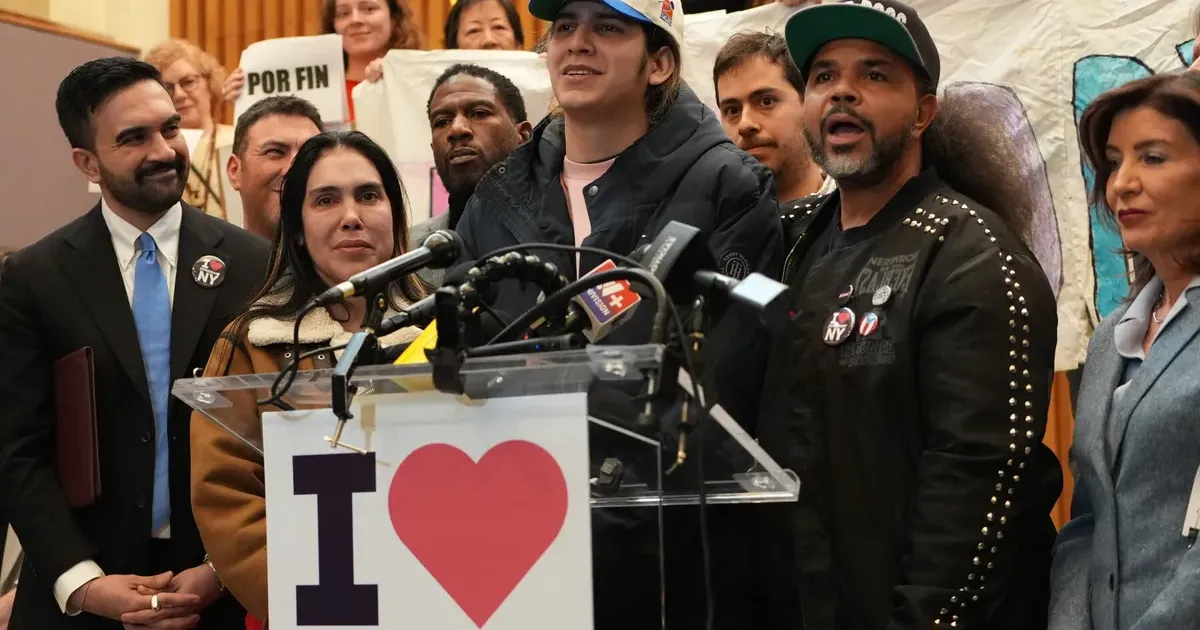
A Student's Release Leaves Bigger Questions
Dylan Lopez Contreras left ICE detention and returned to New York, ending one stage of a case that unsettled the city's public-school community. His release did not end the debate. It shifted attention to what immigration enforcement means for students, families and educators. The case drew attention because schools are supposed to function as places of stability. When a student is detained, the effects move through classmates, teachers, administrators and immigrant families who wonder whether ordinary routines can expose them to risk. The release had become a relief for supporters and a reminder that legal uncertainty can continue long after a student walks out of detention.
Schools Need Trust to Function
Public education depends on trust that children can attend class, meet counselors and participate in school life without fear that the institution is a gateway to enforcement. Even when enforcement happens outside the school building, the psychological effect can enter the classroom. Educators are not immigration attorneys, but they often become the first adults families ask for help. That creates a practical need for clear referral systems, language access, emergency contacts and coordination with legal-service groups. The district also has to manage privacy. Families need to know what information schools collect, who can request it and how staff should respond if law-enforcement agencies seek access.
The Legal Process Is Not Over
Release from detention does not necessarily resolve immigration status. Lopez Contreras and his family may still face hearings, filings, deadlines and the cost of representation. Those pressures can affect attendance, mental health and academic progress. That is why advocates often frame these cases as education issues, not only immigration matters. A student cannot fully return to normal school life if the legal process remains unstable and the family lacks support.
The case also raises practical questions about attendance and recovery. A released student may return to New York physically, but catching up academically after detention requires counseling, schedule flexibility and teachers who understand the disruption. Legal representation is another dividing line. Families with counsel can navigate deadlines and options more effectively, while those without support may miss procedural steps that shape the outcome. Community response matters because fear can spread faster than official information. If immigrant families hear only fragments, they may avoid meetings, counseling services or even school events that are meant to help students.
School districts can reduce that fear by publishing clear protocols in multiple languages. Families need to know when information is private, when outside agencies can request access and who to call during an emergency. The case also tests political leadership in New York. Officials can condemn detention, but families will judge them by concrete access to lawyers, transportation, mental-health support and school continuity. Teachers are often asked to absorb the emotional fallout without enough training. A serious response would include guidance for staff on trauma, confidentiality and how to avoid turning classrooms into rumor networks.
For federal authorities, the enforcement rationale will be measured against the social cost. Detaining a student can produce a chilling effect that reaches far beyond one household. Institutional trust is the issue. Once families believe school life can connect them to detention risk, the damage is difficult to repair even after one student returns home. For classmates, the release can be both relief and confusion. They may see a friend return while still understanding that the legal process remains unresolved, which can leave a school community emotionally suspended.
Administrators need to handle that return carefully. Public attention can help a case, but a student also deserves privacy, routine and protection from becoming a symbol every day in class. The case may push districts to review emergency contact systems. Families need trusted adults who can respond quickly if a student is detained, absent under unusual circumstances or facing a legal deadline. Immigrant-rights groups will likely use the case to argue for stronger school-based protections. Opponents will argue that enforcement should not be limited by student status, keeping the policy fight active. The practical answer lies in separating education access from immigration fear as much as possible. Schools cannot control federal enforcement, but they can control how clearly they communicate rights, records and support options.
The release also puts attention on reentry. A student returning from detention may need help with missed assignments, health needs and the pressure of public attention, not just a seat back in class. A serious school response would treat the case as both urgent and private. Support should be visible to the family while avoiding a spectacle that makes normal student life harder. The broader policy debate will continue because the case sits at the intersection of federal power and local responsibility. Schools cannot rewrite immigration law, but they can decide whether families experience the school system as a source of help or another place to fear.
That distinction may shape attendance long after this case fades from headlines. Trust is built slowly in immigrant communities and can be damaged by one high-profile detention. The case also gives other districts a warning before they face a similar crisis. Waiting until a student is detained is too late to build legal contacts, translation support and communication rules. That preparation cannot wait for headlines.
Why the School System Has to Be Trusted
The legal case may continue while the student and family face schooling, counsel, trauma and immigration-status questions. The Lopez Contreras case is a test of whether school systems can protect learning while federal enforcement continues around them. The answer cannot be symbolic solidarity alone. It requires procedures, legal partnerships and communication that families actually understand.
The question is whether schools remain trusted civic institutions for immigrant communities. If families believe contact with public systems creates danger, students will disappear from the very classrooms meant to keep them connected to opportunity.