Rail Wins on Friction, Not Just Climate
Passengers at Gare du Nord in Paris now bypass the chaotic security queues of Charles de Gaulle, opting instead for the streamlined boarding of the Eurostar or Thalys. Recent data from regional transport authorities indicates a significant migration of travelers from short-haul aviation to the continent's expanding high-speed rail network. While environmental advocacy groups often cite carbon footprints as the primary motivation for such changes, a deeper investigation reveals a more pragmatic reality. Travelers are not necessarily choosing trains because they want to save the planet; they are choosing them because they have grown weary of the modern airport experience.
On March 12, 2026, European travelers showed that convenience can beat aviation habit on short routes. Brussels and Berlin have witnessed a surge in rail bookings that correlates directly with the increasing friction of air travel. Aviation once promised speed and glamor, but the reality for most short-distance flyers involves lengthy commutes to remote terminals, liquid restrictions, and the pervasive anxiety of missed connections. High-speed rail, by contrast, delivers passengers directly into the heart of major cities.
Madrid, Milan, and Amsterdam are reaping the benefits of this logistical advantage, as city-center arrivals eliminate the need for expensive and time-consuming taxi rides or airport express trains. Market research conducted by the European Travel Commission suggests that the perception of rail travel is undergoing a radical transformation. For decades, trains were viewed as the slower, more expensive alternative to the budget airline boom. But as low-cost carriers added fees for every amenity, from cabin bags to seat assignments, the price gap narrowed.
Rail operators have seized this opportunity by marketing the inherent comforts of their service. Wide seats, consistent Wi-Fi, and the ability to walk to a buffet car offer a level of dignity that narrow-body jets simply cannot match. Comfort has officially outpaced conscience. France led the charge by banning certain short-haul domestic flights where a train alternative exists under two and a half hours.
Airports Lose the City-Center Advantage
Critics initially feared this would stifle regional mobility, but the results in early 2026 show the opposite. Renfe in Spain and Deutsche Bahn in Germany have expanded their high-speed fleets to accommodate the spillover. The Spanish AVE network now competes so effectively on the Madrid-Barcelona route that the air shuttle, once one of the busiest in the world, has seen its dominance erode. Passengers report that the three-hour train journey feels shorter than a one-hour flight when accounting for the total travel time from door to door.
Business travelers serve as a critical demographic in this transition. Corporate travel policies increasingly prioritize productivity over raw ticket cost. On a train, a consultant can work uninterrupted for several hours without the interference of takeoff and landing procedures. The lack of restrictive baggage limits also appeals to professionals carrying sensitive equipment or multiple sets of attire.
This shift suggests that the rail industry has successfully repositioned itself as a premium service rather than a secondary option for the budget-conscious. Airlines have begun to acknowledge this new competitive environment by forming strategic partnerships rather than fighting the inevitable. KLM and Air France have integrated rail segments into their booking systems, allowing passengers to fly long-haul and connect to a high-speed train for the final leg of their journey. These air-to-rail agreements help airlines optimize their slots at congested hubs like Schiphol, focusing on profitable long-distance routes while letting trains handle the regional heavy lifting.
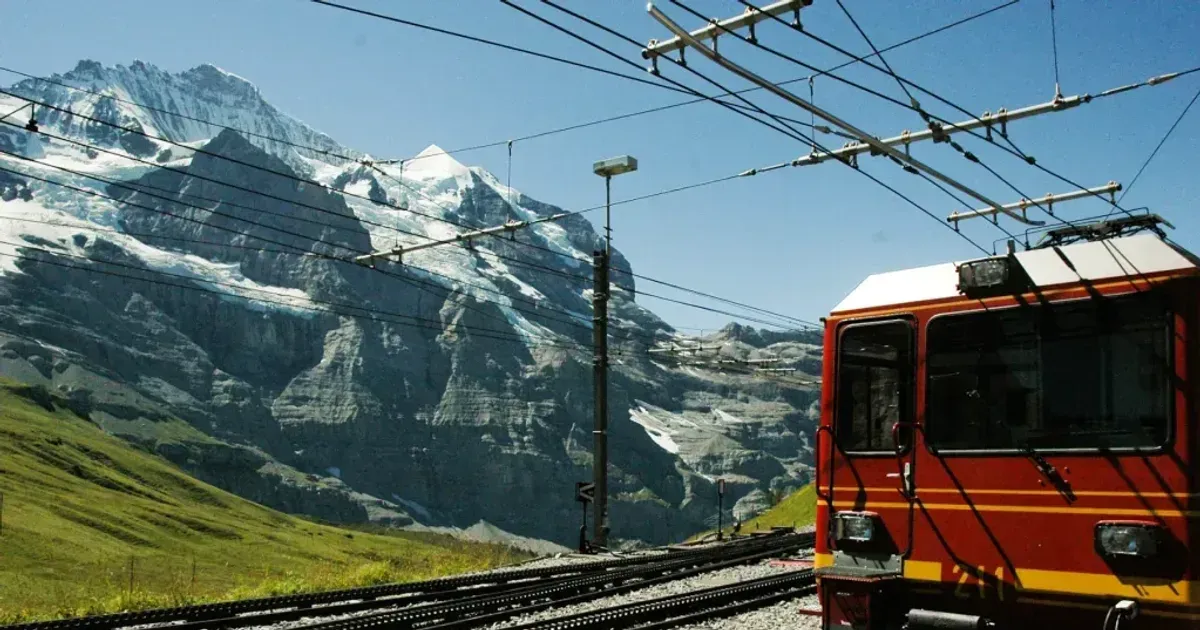
Industry analysts at Bloomberg note that this synergy may be the only way for legacy carriers to remain relevant in a market where short-haul flights are becoming socially and logistically cumbersome. Regional tourism boards are also pivoting their messaging to align with these consumer preferences. Instead of highlighting the low carbon emissions of a train trip, they emphasize the scenic beauty and the "slow travel" experience. A journey through the Swiss Alps or the rolling hills of Tuscany becomes part of the vacation itself, rather than a hurdle to be cleared.
The Convenience Shift
Human nature is fundamentally selfish, and the current migration toward rail travel confirms it. For years, environmentalists pleaded with the public to stop flying for the sake of the glaciers, yet passenger numbers only grew. It was only when the aviation industry became a victim of its own success, drowning in a sea of security queues, hidden fees, and cramped seating, that the public looked elsewhere. We are not witnessing a sudden surge in global altruism. What is unfolding is a mass escape from the indignity of the modern airport. Rail companies have been clever to capitalize on this misery by framing themselves as the civilized alternative. However, we should be skeptical of the idea that this trend will hold if rail prices continue to climb or if the networks become as congested as the runways they replaced. The real test will come when the novelty of the sleeper car wears off and travelers are forced to choose between a five-hour train delay and a quick, albeit miserable, flight. For now, the train is winning because the plane has failed to remain human. The moment rail operators forget that their primary product is dignity, they will lose their new passengers just as quickly as they gained them.