Heritage Becomes a Luxury Defense
Ralph Lauren opened the Fall 2026 season on February 10, setting a tone of refined Americana that resonated through the following four weeks of global presentations. Industry veterans observed a calendar packed with upwards of 200 runway shows, a volume that tested the physical and financial limits of the press corps. While many smaller labels struggled to secure visibility in a crowded market, legacy brands leaned into archival silhouettes to maintain market dominance. The marathon concluded in Paris on March 10 with a Miu Miu presentation that shifted the conversation toward a younger, more subversive aesthetic. By March 10, 2026, the runway month had turned heritage design into both a creative signal and a financial defense.
New York remained the starting block for the seasonal cycle, where Ralph Lauren showcased a collection rooted in heavy wools and tailored outerwear. Business analysts noted that the return to classicism served as a defensive posture against cooling luxury demand in Asian markets. Production costs for these large-scale events reportedly reached six figures for many emerging designers who fought for the attention of a dwindling group of retail buyers. Editors from major publications attended nearly a dozen shows daily, moving from industrial lofts in Manhattan to ornate halls in the Eighth Arrondissement.
The sheer scale of the schedule forced a prioritization of established names over experimental newcomers. Vogue contributors noted that the sheer quantity of 200 shows created a fragmented narrative. Instead of a single dominant trend, the Fall 2026 season functioned as a series of micro-cycles tailored to specific regional demographics. London offered a focus on avant-garde textiles, while Milan focused on the tactile quality of leather and cashmere.
Paris remained the ultimate destination for high-concept storytelling. Each city operated under its own economic pressures, with Italian manufacturers reporting a 4 percent increase in raw material costs since the previous autumn. Miu Miu closed the circuit on March 10 with a collection that subverted traditional office wear. Models walked in oversized blazers and sheer layers, a contrast to the structured formality seen earlier in February.
Retailers in New York and London began placing orders for these specific silhouettes within hours of the show ending. The shift toward immediate digital engagement meant that designs were being critiqued on social media platforms before the final model left the runway. Initial data from digital monitoring firms showed that Miu Miu generated more online engagement than any other brand during the final week of the season. Hailey Bieber and Zoë Kravitz appeared in front rows and on street corners throughout the month, serving as the primary drivers for consumer interest.
Celebrities Bridge Runway and Retail
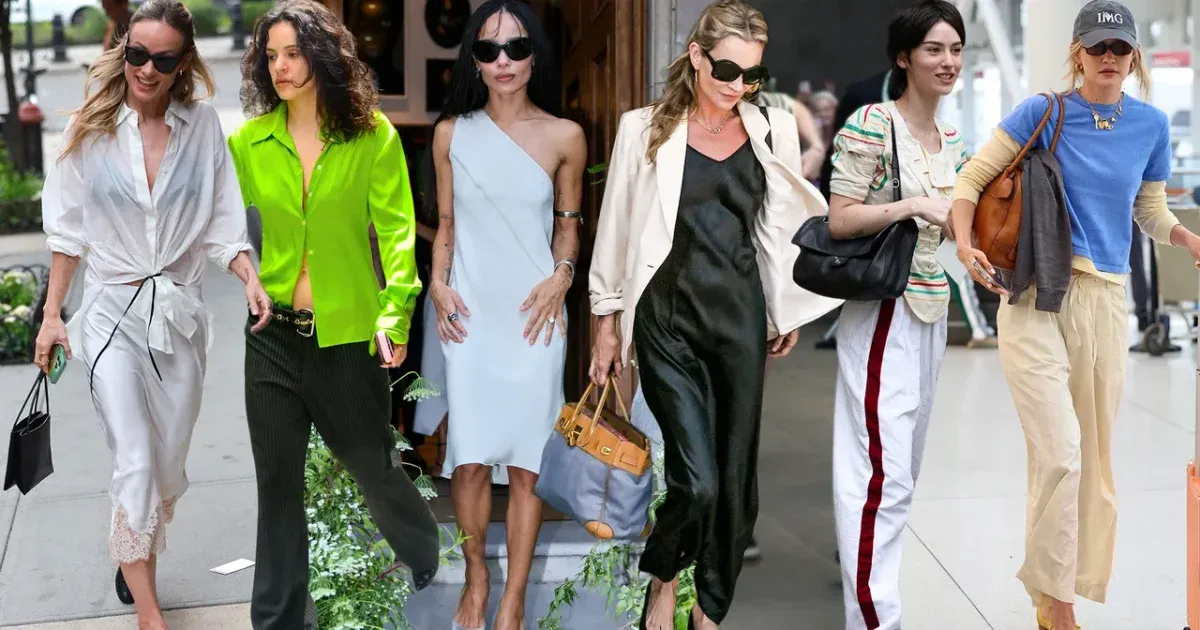
Their wardrobes often mixed current runway pieces with accessible staples, creating a blueprint for the commercial market. Observation of these public appearances reveals a growing reliance on celebrity endorsement to bridge the gap between high fashion and retail sales. Shoppers frequently sought out specific items, such as the oversized trench coats favored by Bieber, immediately after photographs appeared online. This high volume of celebrity-driven search traffic provides a reliable predictor for autumn inventory needs.
Street style photographers documented a shift toward functional luxury. Kravitz was seen in minimalist coats that mirrored the aesthetic seen at Ralph Lauren, reinforcing the seasonal move toward longevity over fast-moving fads. Market data suggests that these celebrity-led looks can increase a brand's search volume by up to 300 percent in a twenty-four hour period. Designers now design specifically for these viral moments, ensuring that key pieces are recognizable in low-resolution mobile photographs.
The collaboration between styling teams and fashion houses has become a formalized component of the marketing budget. Weekly retail reports indicate that the most popular items among consumers were those that offered versatility. Consumers are moving away from garments that only serve a single purpose, favoring pieces that can transition from professional environments to social gatherings. This year, the focus stayed on neutral palettes and durable fabrics.
Supply chain managers reported that orders for high-quality wool and silk blends increased sharply during the first quarter of 2026. Domestic shipping delays in the United States impacted the arrival of some early samples, but most major retailers expect full stock by the end of July. Technical demands for the Fall 2026 shows evolved to include complex lighting and spatial sound designs. Show producers in Milan utilized augmented reality to provide remote buyers with a more immersive view of fabric textures.
These advancements are expensive, creating a wider gap between heritage houses and independent creators. Some smaller labels opted for digital presentations or intimate salon-style viewings to mitigate costs. The transition away from the traditional runway format for smaller brands is becoming more frequent as rental prices for venues in Paris and Milan continue to climb. Venue costs in the Palais de Tokyo reportedly rose by 12 percent compared to the 2025 season.
Runway Logistics Raise the Cost
Two hundred runway shows in 30 days is not a sustainable model for any industry. The Fall 2026 season was a bloated display of corporate dominance that favored the deep pockets of Ralph Lauren and Miu Miu while suffocating the oxygen for anyone without a multimillion-dollar marketing budget. We are watching the slow death of creative risk as brands retreat into the safety of heritage aesthetics to protect their quarterly earnings. When celebrities like Hailey Bieber become more important than the designers themselves, the art of fashion is reduced to a simple data point in a social media algorithm. The season was less about a vision for the future and more about a desperate attempt to maintain the status quo in a cooling global economy. The industry is trapped in a cycle of overproduction and overexposure that serves no one but the shareholders of the largest conglomerates. If the only way to survive is to produce more of what already exists, then the creative spirit of the runway is already gone. We do not need more shows. We need better ideas and a complete dismantling of this archaic, exhausting calendar.