A Connecticut home blast and a Delaware barge fire put two very different public-safety failures into the same uncomfortable frame.
Industrial Fire on the Delaware River
New Castle, Delaware, became the epicenter of a localized environmental crisis when a massive scrap metal fire erupted on an unmanned barge moored in the Delaware River. Thick, acrid smoke billowed across the shoreline, visible for miles as fire boats and shore-based crews struggled to contain the chemical-heavy blaze. Such incidents highlight the precarious nature of maritime waste transport in the region. The incidents drew renewed scrutiny on March 11, 2026, as investigators and emergency officials reviewed the damage. Emergency responders spent hours pouring thousands of gallons of river water onto the glowing mounds of discarded steel and aluminum. The sheer volume of metal acting as a heat sink meant that cooling the core of the fire took longer than anyone anticipated. Flames scorched through the scrap piles, creating a spectacular and terrifying display of industrial volatility. Unmanned vessels like this one often carry a mix of materials, ranging from rusted appliance frames to potential contaminants like residual lithium-ion batteries or oil-slicked automotive parts. Because no crew members were on board, the initial detection of the fire relied on shore-side witnesses rather than automated alarms. This delay allowed the fire to take hold within the deep recesses of the metal mounds. Firefighters worked through the night, utilizing specialized foam and high-pressure monitors to suppress the thermal runaway occurring deep within the barge. Environmental experts expressed concern about the runoff entering the Delaware River during the suppression efforts. Heavy metals and toxic particulates frequently leach from scrap fires when subjected to high-intensity heat and water. While the immediate threat was the fire itself, the long-term impact on the local ecosystem remains a subject of intense scrutiny. Officials from the Coast Guard and local environmental agencies monitored the air quality in nearby New Castle neighborhoods, advising residents to keep windows closed. The intensity of the heat was so great that the structural integrity of the barge came into question, forcing fire boats to maintain a safe distance during the peak of the event. Firefighters expect the cleanup to last several days. Across the region in Connecticut, a different kind of tragedy struck a quiet residential street. A massive home explosion leveled a structure, leaving at least one person dead and an entire community in a state of shock.
Connecticut Blast Turns Domestic Risk Visible
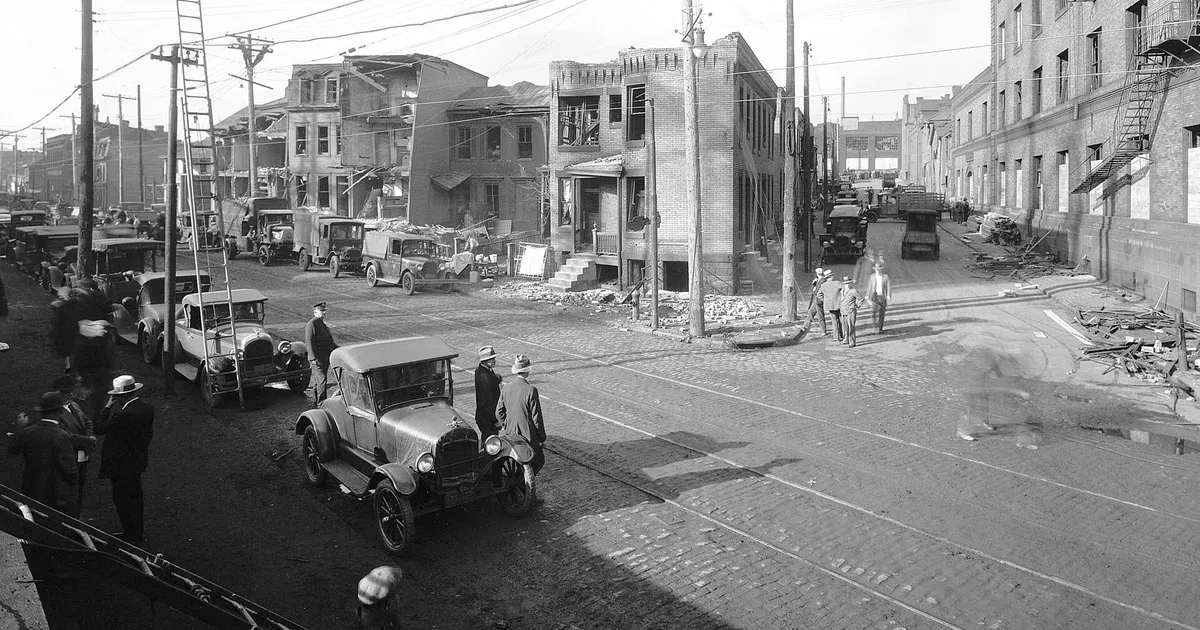
Local police and fire investigators arrived to find little more than a smoking crater and a debris field stretching into neighboring yards. Such events are rare, but their impact is devastatingly absolute. First responders spent hours sifting through the wreckage, searching for survivors before confirming the single fatality. The force of the blast was enough to rattle windows several blocks away, leading many to initially believe an earthquake or a plane crash had occurred. Investigations into the Connecticut blast shifted quickly toward mechanical or structural causes.
Police currently say no foul play is suspected, a detail that directs attention toward gas lines, propane tanks, or heating system failures. Older homes in the Northeast often rely on aging infrastructure that can become a liability if not meticulously maintained. Pressure within natural gas mains or a slow leak in a basement crawl space can create the perfect conditions for a catastrophic ignition. Investigators from the state fire marshal's office are working to determine if recent weather patterns or shifting soil contributed to the failure of the fuel delivery system. Silence replaced the roar of the blast in Connecticut.
Neighbors described the victim as a long-time resident, adding a layer of communal grief to the technical investigation. In the hours after the debris settled, utility workers canvassed the area to ensure that nearby homes were not at risk of secondary explosions. They shut off gas valves for the entire block as a precautionary measure. This decision left dozens of families without heat on a chilly March night, yet the necessity of the safety check was undisputed. Homeowners watched from behind yellow police tape, many wondering if their own utility connections were secure against such a sudden and violent failure.
Safety protocols for scrap metal transport and residential gas maintenance are now under the microscope. In Delaware, the barge fire suggests a need for stricter monitoring of unmanned cargo vessels. In Connecticut, the home explosion reminds us that even the most domestic settings can harbor lethal energy.
Infrastructure and Oversight Questions
Yet, the regulatory response often lags behind the actual incidents. Federal oversight of maritime scrap transport is notoriously thin, often leaving local jurisdictions to handle the expensive and dangerous task of firefighting on the water. Similarly, residential gas safety relies heavily on homeowner vigilance, which may not be enough when the fault lies in underground municipal lines. But the lack of foul play in the Connecticut incident does not mean there is no accountability to be found. If the explosion resulted from a known flaw in a particular model of furnace or a neglected section of gas main, the legal implications could be significant.
Insurance adjusters and forensic engineers are already analyzing the remnants of the property. They seek to reconstruct the final moments before the ignition, looking for signs of a leak that might have gone unnoticed by the occupant. This investigative process is slow, often taking weeks or months to yield a definitive answer about the source of the spark. Back in Delaware, the barge fire finally subsided, leaving behind a charred skeleton of metal and a lingering smell of burnt plastic. The New Castle fire department cited the difficulty of reaching the barge as a primary obstacle.
Without a dedicated fire pier or immediate access to the vessel, they were forced to rely entirely on waterborne assets. However, the coordination between the various agencies prevented the fire from spreading to other moored vessels or nearby docks. The barge remains under guard as the owner and investigators plan for its removal from the river channel to a secure salvage yard for a full inspection. Disaster response in 2026 has become a game of resource management and rapid deployment. These two events, though physically distant and different in nature, expose the vulnerability of the modern infrastructure we take for granted.
Whether it is the disposal of our industrial waste on the Delaware River or the heating of our homes in Connecticut, the margin for error is razor-thin. When that margin disappears, the results are measured in charred hulls and broken homes. Local governments continue to grapple with the rising costs of maintaining the specialized equipment needed to fight these complex fires and investigate high-energy explosions.
Why These Disasters Are Not Random
Are we simply waiting for the next neighborhood to disintegrate? Stop calling these events accidents. When a home in Connecticut vanishes in a fireball or a barge in Delaware burns for hours, we are seeing the logical conclusion of a society that prioritizes cheap waste disposal and aging utility profits over human life. The scrap metal industry operates like a phantom, moving massive quantities of volatile debris on unmanned vessels with almost zero real-time oversight. We treat our rivers as conveyor belts for junk and our suburbs as testing grounds for century-old gas infrastructure.
It is a miracle these catastrophes do not happen every single afternoon. We should be outraged that one person died in a home they thought was a sanctuary, and we should be equally furious that a river was choked with toxic smoke because a company couldn't bother to monitor a barge. Regulation is not a burden; it is the price of not living in a constant state of emergency. If the authorities do not demand rigorous, modern standards for both maritime transport and residential utility delivery, these March disasters will be viewed as mere warm-ups for a much larger, more systemic collapse of public safety.