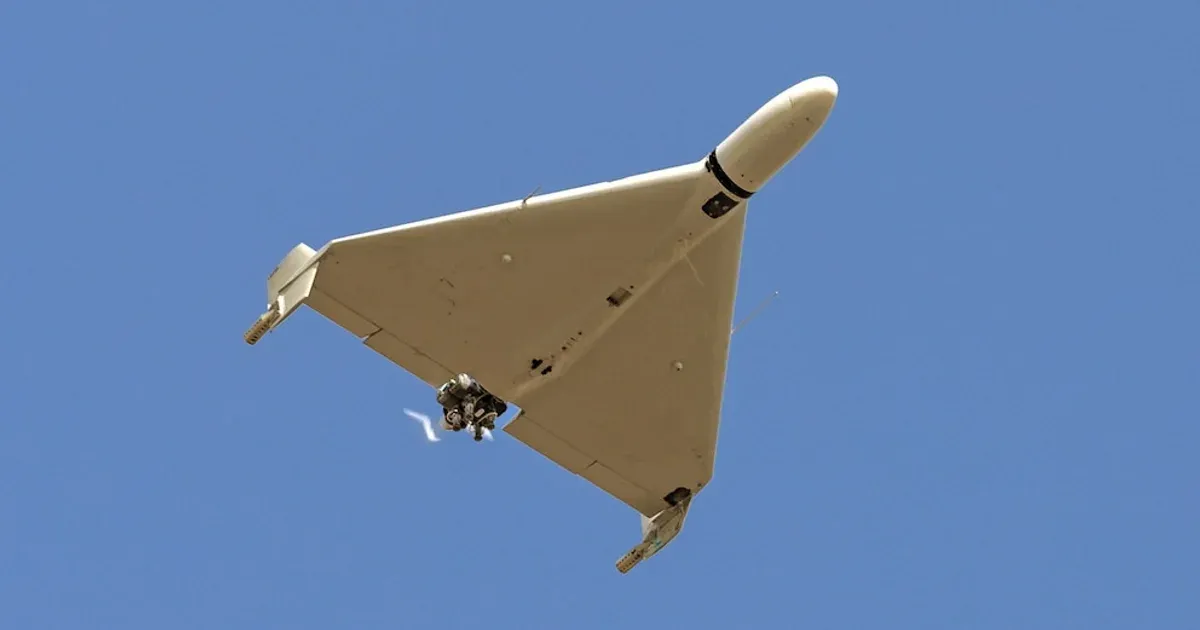
An FBI warning that Iranian drones could target the California coastline has pushed West Coast security agencies into a more visible state of alert. The bulletin was circulating by March 11, 2026, as federal investigators in San Francisco and Los Angeles reviewed possible threats to ports, energy infrastructure and symbolic coastal targets. The warning does not mean an attack is imminent, but it changes the planning posture. California is not usually discussed as a front line in Middle East conflict. That is why the warning landed so sharply. A drone threat against the coast would collapse the distance between overseas escalation and domestic security in a way local agencies cannot ignore.
Ports and Energy Sites Draw Attention
The most practical concern is critical infrastructure. Ports, refineries, fuel terminals, bridges and electrical facilities are difficult to protect completely because they cover large areas and operate continuously. A small drone can create disruption even if it causes limited damage. California coastal security involves federal, state and local agencies that do not always train for the same threat model. The FBI may handle intelligence, the Coast Guard may watch maritime approaches, local police may respond first and private operators may control the actual facility.
Drones Complicate Domestic Defense
Small drones are hard to manage in civilian airspace. Authorities must distinguish hobby devices, commercial flights, media drones and suspicious aircraft without causing panic or interfering with normal aviation. Counter-drone tools can also raise legal and safety questions when used near airports or dense neighborhoods. The warning may lead to increased patrols, temporary flight restrictions, sensor deployments and direct outreach to infrastructure operators. Much of that work will not be visible to the public, which can create a communication challenge. Officials must reassure without revealing gaps.
Federal officials urged agencies to treat suspicious drone activity near critical infrastructure as a reportable security event.
Public Reporting Becomes Part of Security
Residents may be asked to report unusual drone activity, especially near restricted areas. That can help, but it can also flood agencies with false alarms. The quality of public guidance matters: where the drone was, what it was doing, whether it crossed a perimeter and whether photos or video exist. The larger risk is overreaction. A warning should sharpen preparedness, not turn every coastline sighting into a rumor. California has enough legitimate infrastructure concerns without letting fear outrun evidence.
Foreign Conflict Reaches Local Planning
The FBI bulletin shows how modern conflict travels through networks, proxies and cheap technology. A hostile state does not need a large conventional force near California to create security costs. It only needs the possibility of disruption to force agencies and companies to spend time, money and attention. That is the strategic value of the warning even if no attack occurs. Ports review procedures, police adjust staffing, energy operators check perimeters and the public becomes more alert. The coastline remains open, but the security assumptions around it have changed. The difficult part is discipline: agencies need to investigate credible leads, communicate clearly and avoid inflating unconfirmed threats. Preparedness is useful only if it remains tied to facts. Private companies will have to participate in the response because much of the vulnerable infrastructure is not owned by government. Port operators, refineries, utilities and logistics firms need reporting protocols that connect quickly to law enforcement. A suspicious drone sighting loses value if it sits in an internal email chain for hours. The warning may also change event planning along the coast. Large gatherings, waterfront festivals and high-profile political visits could see more airspace monitoring. That does not mean public life stops, but it does mean security teams must add a low-altitude threat to checklists built around more familiar risks. California's geography complicates the issue. The coastline is long, densely populated in some areas and remote in others. A uniform security posture is impossible, so agencies have to prioritize likely targets and credible intelligence rather than trying to watch everything equally.
The public should expect more visible coordination if the alert level rises. That may include Coast Guard notices, local police statements or temporary restrictions near sensitive facilities. The best communication will be specific enough to guide behavior without turning the warning into theater.
The drone threat is not only a military problem anymore. It is a local resilience problem, and California is being asked to think about it before a crisis proves the point.
Civil-liberties concerns may also surface if counter-drone measures expand. More sensors, cameras and flight restrictions can protect infrastructure, but they can also increase surveillance around public spaces. Officials will have to explain how data is collected, who keeps it and when emergency measures expire.
The warning is therefore a governance test as well as a security test. California agencies must coordinate across jurisdictions, private owners and federal intelligence while keeping public trust. That is difficult in a polarized environment where warnings can quickly be dismissed as politics or inflated into panic.
If nothing happens, the work may look excessive in hindsight. If something happens, every missed signal will be scrutinized. That is the uncomfortable space where preparedness lives.