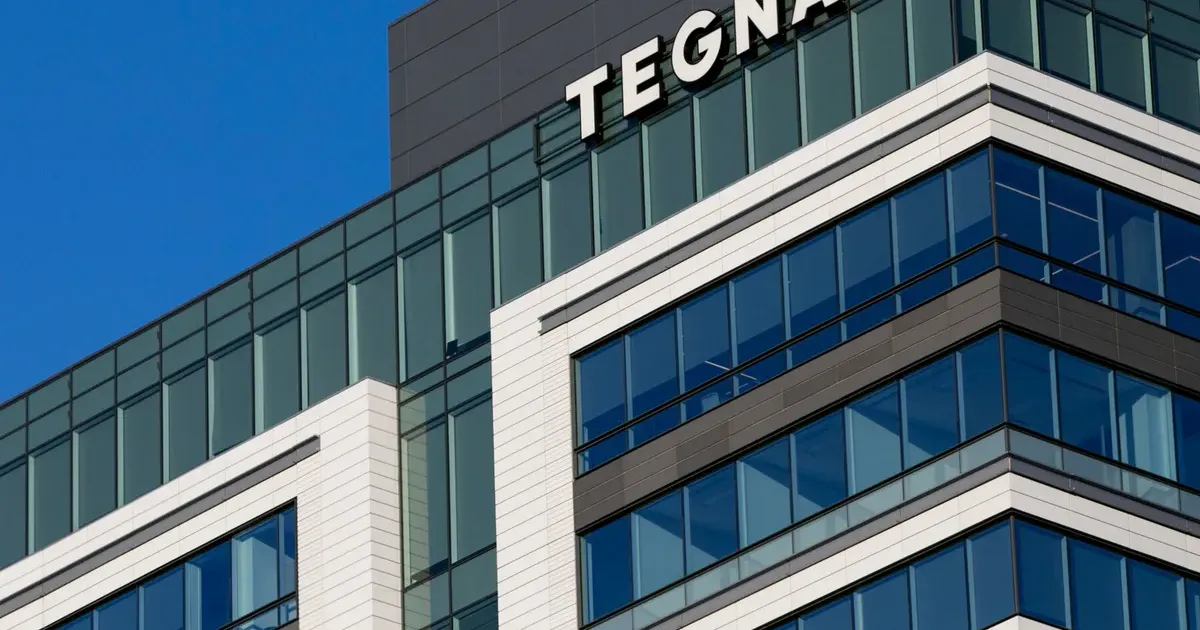
Nexstar Media Group secured final federal approval to acquire rival Tegna in a transaction valued at $6.2 billion. Federal regulators concluded a year-long review of the deal, which merges two of the largest owners of local television affiliates in the United States. regulators had cleared a major Nexstar broadcast deal. Combined operations will now oversee 265 stations across 44 states and the District of Columbia. This acquisition makes the Irving, Texas-based company the undisputed titan of terrestrial broadcasting. Market reaction was swift as Nexstar shares climbed nearly 4 percent in pre-market trading following the announcement. Investors view the merger as a defensive necessity in a media environment increasingly dominated by tech giants and direct-to-consumer streaming services. Revenue from local television advertising has faced structural headwinds as marketing budgets migrate toward targeted digital platforms. Expanding its footprint gives the company a simpler pitch to national advertisers buying local spots at scale. Internal projections suggest that the merger will generate roughly $500 million in annual efficiencies within the first three years of operation.
Meanwhile, the sheer scale of the 80 percent household reach has raised questions about the future of local editorial independence. Critics argue that centralized management often leads to the homogenization of local news content through shared scripts and regionalized production hubs. Nexstar has consistently denied that its growth strategy undermines localism, pointing to its investments in digital infrastructure for community-level reporting. In fact, the company maintains that the financial stability provided by the merger is the only way to preserve expensive investigative units in mid-sized markets. They argue that smaller, independent groups lack the capital required to compete with the production quality of national networks.
Divestiture requirements remain a central component of the Justice Department's sign-off. To satisfy antitrust concerns, the parties agreed to sell several stations in markets where their combined presence would have suppressed competition for local advertising. These markets include major metropolitan areas where both Nexstar and Tegna currently operate top-rated affiliates. Separately, the Federal Communications Commission mandated that the company cannot participate in joint sales agreements that would allow it to coordinate prices with remaining independent competitors. Compliance with these rules will be monitored by an independent trustee for a period of five years.
Tegna Deal Consolidates Local Television Markets
Stations once owned by Tegna, such as KUSA in Denver and WUSA in Washington, will now integrate into the Nexstar corporate structure. For instance, the acquisition includes a portfolio of NBC, CBS, ABC, and Fox affiliates that are among the most-watched news organizations in their respective regions. This consolidation reduces the number of independent voices at the table during industry-wide labor negotiations. National unions representing broadcast technicians and on-air talent expressed concern that the merger could lead to job cuts as duplicate functions are eliminated. They have called for a moratorium on layoffs for at least twelve months post-closing. Management has countered that any workforce adjustments will focus on corporate overhead rather than newsroom staffing.
But the economic reality of the broadcast industry suggests that cost-cutting is inevitable. Television station groups are struggling with the rapid decline of linear viewership among younger demographics. Standardized content delivery systems allow a single anchor or weather team to serve multiple markets simultaneously, reducing the need for local personnel. Many Tegna stations were known for high-quality, long-form investigative journalism that requires significant time and financial resources. Whether these specialized units survive the transition to a high-debt corporate environment is a point of concern for media watchdogs.
Broadcaster Economic Strategy and Digital Shift
Broadcasters are betting that local news remains the one product that tech platforms cannot easily replicate at the same depth. Local sports and political advertising provide a recurring revenue stream that is less susceptible to the volatility of the broader digital ad market. In turn, the company plans to use its massive reach to launch a unified digital news application that aggregates content from all 265 stations. This platform would allow for national ad targeting on a local level, mimicking the capabilities of Facebook or Google.
Executives believe that the localized nature of their data will be a major draw for retailers and service providers. Political spending in the upcoming election cycle is expected to provide an immediate boost to the combined entity's balance sheet.
Yet the debt burden incurred to finance the $6.2 billion price tag creates a narrow path for error. Nexstar utilized a combination of senior secured notes and term loans to fund the acquisition during a period of rising interest rates. Financial analysts at several Wall Street firms have noted that the company's leverage ratio will spike greatly in the short term. According to a report from Bloomberg, the deal's success hinges on the company's ability to extract higher retransmission fees from cable operators. If those operators balk at the new rates, the company could face a shortfall in the cash flow needed to service its debt obligations.
DOJ Mandates Divestitures to Preserve Competition
Still, the regulatory hurdles were cleared with fewer concessions than many industry observers had initially predicted. The FCC vote was split along party lines, reflecting a broader national debate over the ethics of media concentration. Commissioner Brendan Carr praised the move as a way to ensure the survival of local broadcasting in a world where Big Tech holds most of the power. By contrast, dissenting voices argued that the merger effectively creates a gatekeeper for local information. They pointed to the 1996 Telecommunications Act as the beginning of a trend that has systematically stripped communities of locally-owned media assets.
Justice Department officials emphasized that their primary focus was on the protection of the advertising market. They concluded that the required divestitures in overlapping markets were sufficient to prevent a monopoly on local commercial airtime. For one, the sale of stations in cities like Dallas and Houston will ensure that local businesses still have multiple options for reaching consumers. These stations will likely be acquired by smaller broadcast groups or private equity firms looking to enter the media space. The identity of these buyers must be approved by the government before the primary deal can fully conclude.
Why Local Newsrooms Are the Real Test
The merger can be defended as a survival strategy for local broadcasting, but the defense only holds if local newsrooms keep enough autonomy to serve their markets. Nexstar and Tegna can argue scale, debt discipline and digital reach. Viewers will judge something simpler: whether their local station still sounds like the place it covers.