Jerome Powell and the Federal Reserve kept borrowing costs unchanged in Washington as the Iran conflict complicated the inflation outlook. Officials cited war-related disruptions, higher energy costs and fragile market confidence as reasons to avoid a sudden move. The federal funds rate remained in a 5.25 to 5.5 percent range. The pause had become more than a technical rate decision; it was a signal that the central bank would wait for clearer data before easing. Energy prices had already climbed sharply since the outbreak of hostilities.
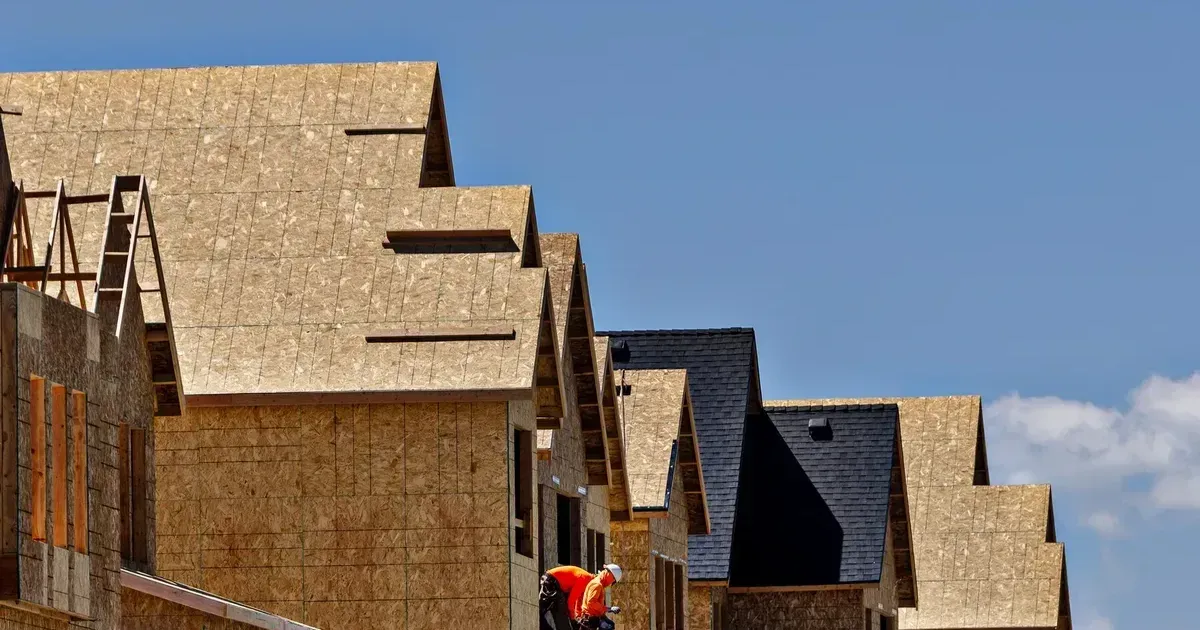
Global markets waited for this signal. It provides a brief moment of stability for investors who feared a reactionary hike. Yet the decision to hold rates steady leaves millions of Americans trapped in a high interest environment that shows no signs of receding. Mortgage applications dropped to a fifteen-year low last week. Many prospective buyers find themselves priced out by monthly payments that have nearly doubled since 2021. The Federal Reserve continues to prioritize price stability over the immediate relief of the housing market.
Federal Reserve Policy and the Iran Conflict
War in the Persian Gulf shifted the calculus for Jerome Powell and his colleagues. Traditional models for inflation focused on domestic employment and consumer spending, but the sudden closure of the Strait of Hormuz introduced a supply shock that the Federal Reserve cannot control. Shipping costs for consumer electronics and apparel have tripled in three weeks. These external pressures make it difficult for the central bank to justify cutting rates. If they lower costs now, they risk fueling a second wave of inflation driven by surging oil prices.
The Federal Reserve cannot ignore the reality of a global energy crisis when setting domestic monetary policy, and we must wait for clearer evidence that inflation remains on a downward path despite these geopolitical headwinds. Energy analysts at Goldman Sachs and Morgan Stanley previously predicted three rate cuts in 2026. Those forecasts now appear overly optimistic. In fact, some committee members have hinted that a rate hike remains an option if energy costs continue to bleed into the core Consumer Price Index. $1.1 trillion in household wealth is currently tied to floating-rate debt instruments that react immediately to these decisions. The Federal Reserve preserved its current target to avoid shocking a fragile banking system already dealing with commercial real estate losses.
Mortgage Rates and Household Debt Pressure
Homeowners and renters feel the brunt of this stalemate. Thirty-year fixed mortgage rates remain stubbornly high, hovering near 7.2 percent. This creates a lock-in effect where current owners refuse to sell, fearing they will lose their existing 3 percent rates. So, the inventory of available homes has withered. First-time buyers face a market with limited supply and punishing financing costs. Banks have tightened lending standards to compensate for the increased risk of default in a high-rate environment. Credit card balances reached a record high in February. Consumers are increasingly relying on high-interest plastic to cover the rising costs of groceries and fuel. The average annual percentage rate on new credit cards now exceeds 21 percent. This burden falls most heavily on lower-income households who lack the savings to weather the current inflationary storm. Even so, the Federal Reserve maintains that the labor market remains strong enough to withstand these pressures. They point to the low unemployment figures as evidence that the economy is not yet in recession.
Global Energy Prices Drive Interest Rate Calculations
Petroleum prices act as a shadow tax on the American public. When the price of crude oil stays above $100 per barrel, every sector of the economy feels the friction. Trucking companies pass these costs to retailers, who in turn raise prices for the end consumer. The Federal Reserve recognizes that interest rates are a blunt instrument for fixing supply chain issues. Still, they use high rates to dampen demand and prevent a wage-price spiral. This strategy assumes that consumers will eventually stop spending as their debt becomes too expensive to manage.
Recent data from the Department of Labor shows that wage growth has slowed to 3.8 percent. While this is a positive sign for inflation hawks, it means real purchasing power is shrinking for many workers. Savings accounts that offered nearly zero interest for a decade now provide yields above 4 percent, but these gains are often eaten by the cost of living. Families are making difficult choices between paying down debt and maintaining their standard of living. The economic tug-of-war defines the current fiscal year.
Commercial Banking Response to Federal Reserve Stance
Regional banks are struggling to manage their balance sheets. When the Federal Reserve maintains high rates, the cost of deposits for banks increases sharply. Smaller institutions must offer higher yields to keep customers from moving their money into money market funds. Meanwhile, the value of the long-term bonds these banks hold has plummeted. This creates a liquidity squeeze that limits the amount of capital available for small business loans. Many entrepreneurs have paused their expansion plans until borrowing becomes cheaper.
Lenders are also bracing for a wave of refinancings in the commercial sector. Office buildings and retail centers with maturing debt face a reality where their new interest rates will be double their old ones. The transition could lead to a surge in foreclosures if property values do not recover. The Federal Reserve is monitoring these risks closely but insists that the banking system is resilient and well-capitalized. For instance, the largest banks passed recent stress tests with significant buffers. Total delinquent debt remains below the levels seen during the 2008 financial crisis.
Why the Fed Pause Carries Political Weight
Why does the Federal Reserve continue to play a game of chicken with the American consumer? Central bankers are hiding behind the fog of war in the Middle East to mask their own inability to tame a domestic economy that has become addicted to cheap credit. Powell claims to be data dependent, but the data clearly shows a middle class being crushed by a pincer movement of high prices and higher interest. The Fed is paralyzed by the fear of repeating the mistakes of the 1970s, yet its current path risks a different kind of catastrophe.
By keeping rates at these restrictive levels while the world burns, the Fed is effectively betting that they can break the consumer before the conflict breaks the global supply chain. It is a cynical gamble that prioritizes the balance sheets of the wealthy over the survival of the average household. The central bank should stop waiting for the perfect geopolitical alignment and start providing the relief that the housing and small business sectors desperately need. Their obsession with a 2 percent inflation target is an arbitrary relic that serves no one in a world defined by permanent instability. It is time to admit that the old playbook is obsolete.