Regulators Prepare a Softer Capital Plan
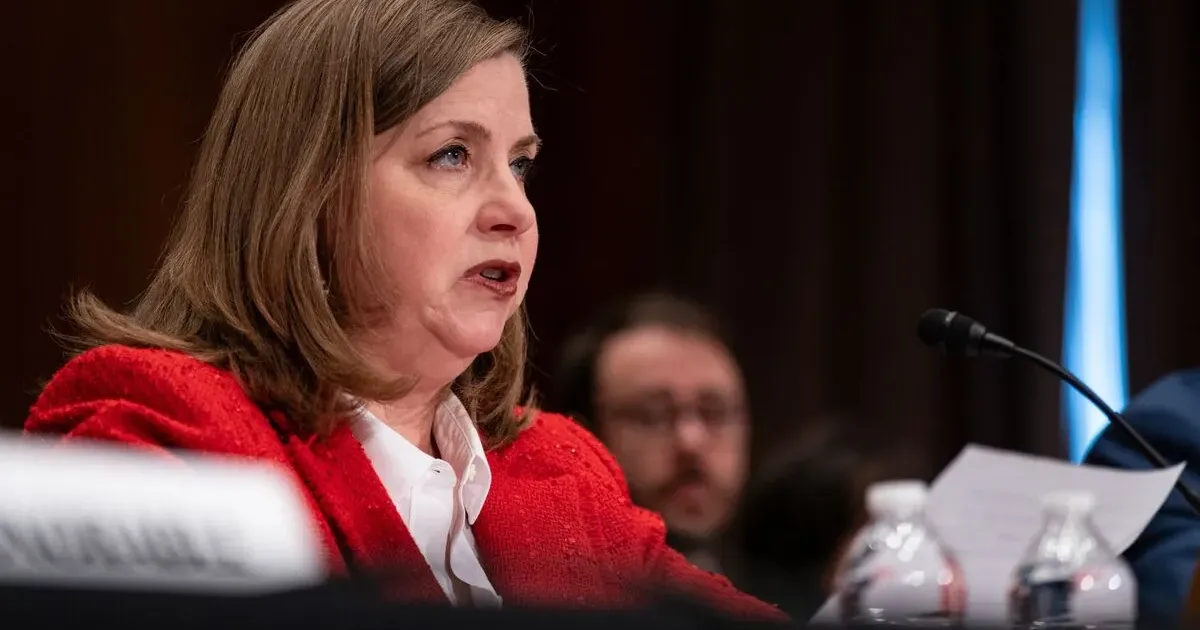
Michelle Bowman delivered the news that the banking industry has anticipated for months. Speaking on Thursday, the Federal Reserve Governor confirmed that US lenders will see a revised set of capital proposals within the coming week. The announcement marks the latest chapter in a long-running dispute between the central bank and the nation's largest financial institutions. On March 12, 2026, the expected rewrite turned a technical bank-capital fight into a test of how much risk Washington will tolerate. For over a year, executives at firms like JPMorgan Chase and Goldman Sachs have lobbied against stricter rules, arguing that excessive capital requirements would stifle economic growth and limit consumer lending. Wall Street's compliance departments are now preparing for a document that could fundamentally alter the cost of doing business. The forthcoming plan is a re-draft of the controversial Basel III Endgame standards. Initial versions of these rules sought to sharply increase the amount of buffer capital banks must hold against potential losses.
Regulators argued these safeguards were necessary to prevent a repeat of the 2023 regional banking crisis. Banks countered that the math used to calculate risk was flawed and overly punitive. Michael Barr, the Fed's Vice Chair for Supervision, has been the primary architect of the more aggressive regulatory stance. His vision for a more resilient banking system has often put him at odds with Bowman. While Barr emphasizes safety, Bowman has frequently expressed concern about the unintended consequences of over-regulation. She has cautioned that pushing too much activity out of the regulated banking sector and into the shadow banking system could create new, unseen risks. These internal divisions at the Federal Reserve have slowed the implementation of the new standards, leading to the compromise version expected next week. Banks have already begun adjusting their balance sheets in anticipation.
Some institutions have slowed share buybacks or tightened credit standards for small businesses. These defensive postures reflect the uncertainty that has gripped the sector since the first draft of the rules was released.
Risk Weights Remain the Core Fight
Industry groups have spent millions on advertising campaigns and legal research to challenge the Fed's authority on this matter. They argue that the US should not adopt international standards that put domestic banks at a disadvantage compared to European or Asian rivals. Regulators remain focused on how banks measure the riskiness of their assets. Under the previous proposal, many banks would have seen their risk-weighted assets increase by nearly 20 percent.
Such a change would require them to either raise billions in new capital or shed assets. Neither option is attractive to shareholders. Many analysts expect the revised plan to soften some of these requirements, particularly regarding operational risk and mortgage lending. Still, the underlying tension remains.
Central bankers want a system that can survive a total market meltdown, while CEOs want a system that maximizes return on equity. That balance is becoming harder as recent data indicates that the US economy is entering a sensitive phase where credit availability is paramount. High interest rates have already made borrowing more expensive for the average American. If the new capital rules further restrict the ability of banks to lend, the Federal Reserve risks triggering the very recession it has spent years trying to avoid. Critics of the plan say the timing could not be worse. They point to the stabilizing influence of the largest banks during the 2008 and 2023 crises as evidence that the system is already strong enough. Lawmakers on Capitol Hill are also watching the situation closely.
Republican members of the House Financial Services Committee have threatened to use the Congressional Review Act to overturn any rules they deem too burdensome. On the other side of the aisle, progressive Democrats have urged the Fed to stand firm.
Market Reaction Depends on the Details
They believe that the profits of mega-banks should take a backseat to the financial security of the nation. This political backdrop has turned a technical regulatory update into a high-stakes ideological battle. Investors have largely priced in a moderate version of the rules. Bank stocks have traded sideways as the market waits for the specific percentages and phase-in periods.
If the plan is more lenient than expected, we could see a massive rally in the financial sector. Conversely, a strict adherence to the original high-capital targets would likely trigger a sell-off. The Federal Reserve's credibility is on the line. It must balance its mandate for financial stability with its responsibility to foster an environment where businesses can grow. International observers are also paying attention. The Basel Committee on Banking Supervision, based in Switzerland, sets the global benchmarks that the US is trying to implement. If Washington deviates too far from these global standards, it could fragment the international financial system. Such a split would make it harder for global banks to operate across borders, increasing costs for multinational corporations.
It would also signal a retreat from the post-2008 consensus on global financial cooperation. Small and mid-sized banks are particularly concerned about the trickledown effects. While the strictest rules are aimed at the eight largest "globally systemic" banks, history suggests that regulatory standards often migrate down the food chain.
Smaller institutions lack the massive compliance budgets of their larger peers. They fear that the costs of monitoring and reporting under the new framework will eat into their already thin margins.
Regulatory Blind Spot
History rarely rewards those who attempt to build a perfectly safe world, yet the Federal Reserve seems intent on trying. By obsessing over the exact decimal point of capital ratios, regulators are missing the forest for the trees. The next crisis will not be a carbon copy of the last. It will likely emerge from the very shadow banking sectors that these capital rules are currently inflating. When you make it too expensive for a regulated bank to hold a loan, that loan doesn't vanish. It simply moves to a private credit fund or an offshore entity where the Fed has no eyes and no teeth. We are watching a classic case of regulatory capture in reverse. The Fed is so terrified of being blamed for another bank failure that it is willing to strangle the economy with a velvet glove. Banks are not public utilities. They are profit-seeking enterprises that drive innovation and liquidity. If they are forced to act like government bond vaults, the dynamism of the American economy will wither. Bowman is right to be skeptical, but she is a lone voice in a room full of bureaucrats who value stability over growth. The coming week will reveal if any common sense remains in the halls of the Eccles Building.