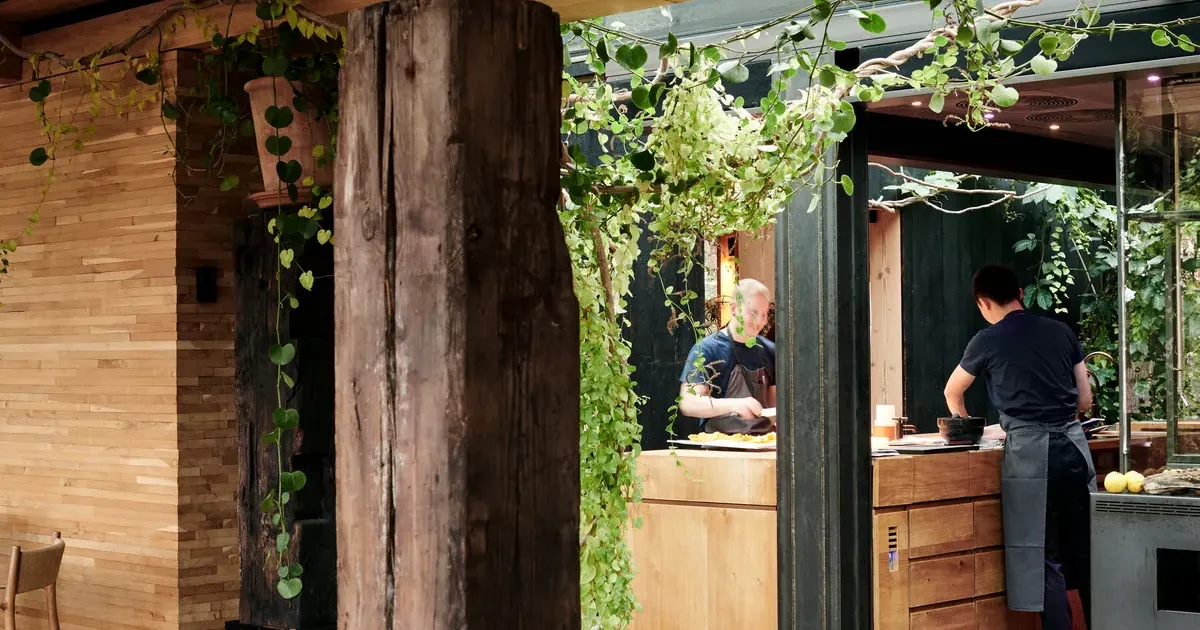
A Legacy Built on Contradiction
Copenhagen remains the epicenter of a culinary earthquake that began two decades ago. René Redzepi, the visionary behind Noma, did not just serve food. He served an ideology. This ideology promised to reconnect diners with the soil, the seasons, and the forgotten flora of the Scandinavian coastline. But as the restaurant transitioned into its latest phase as a research laboratory in early 2026, a darker narrative took hold. Critics and former employees now argue that the very institution that revolutionized the plate failed to reform the person behind it. While the world marveled at fermented ants and reindeer heart, the internal culture of the world’s most famous kitchen largely mirrored the rigid, often exploitative hierarchies of the past.
Success in the elite food world often ignores the human cost; Noma proved that even the most celebrated innovators are susceptible to old vices.
Redzepi rose to prominence by challenging the French-dominated orthodoxy of the early 2000s. His New Nordic Manifesto was more than a recipe book. It was a call for authenticity and localism that eventually turned Copenhagen into a global destination for gastro-tourists. By 2010, Noma had secured the top spot on the World’s 50 Best Restaurants list, a feat it would repeat several times. This economic reality transformed a small harbor warehouse into a multi-million dollar engine of influence. Global recognition brought immense pressure to maintain perfection, a demand that filtered down to the lowest rungs of the kitchen ladder. Young chefs from every corner of the globe flocked to Denmark, eager to work for free just to have Noma on their resumes.
The math of the elite kitchen relied on this stream of unpaid labor for years.
Stagiaires, or unpaid interns, formed the backbone of the operation. These aspiring chefs often spent twelve to sixteen hours a day performing repetitive tasks like picking tiny leaves off herbs or cleaning moss with tweezers. For nearly two decades, the prestige of the Noma name served as a substitute for a paycheck. Industry insiders suggest that Noma was not alone in this practice, but its position at the top of the pyramid meant it set the standard for what was acceptable. When reports surfaced in the early 2020s about the grueling conditions and the lack of compensation, the image of the enlightened, forest-foraging kitchen began to crack. Redzepi eventually announced in late 2022 that the restaurant would begin paying its interns, an move that reportedly added over 50,000 dollars a month to the restaurant's operating costs.
The Financial Collapse of Perfection
Critics point out that the decision to pay staff coincided with Redzepi’s admission that the fine dining model is fundamentally broken. He told reporters that the extreme labor required to produce such intricate dishes was no longer sustainable, either financially or emotionally. This realization came far too late for the generations of chefs who burned out under the Noma sun. Financial records from the period leading up to the 2024 closure announcement showed a business struggling to balance the costs of a massive R&D team with the new reality of fair wages. It became clear that the world’s best restaurant could only exist if it didn't pay its people what they were worth.
Labor laws in Denmark are among the most progressive in the world, yet the culinary industry long operated in a legal gray area. Redzepi himself wrote about his own struggle with his temper and the aggressive culture he inherited from his mentors. He claimed he wanted to change, the results suggested otherwise. Former staffers described an environment where the pursuit of a third Michelin star created a climate of fear. While the menu celebrated the gentleness of nature, the kitchen remained a place of high-stakes combat. The disconnect between the public persona of Noma and its internal reality created a rift that the industry is still trying to mend in 2026.
History shows that Noma changed how we look at a plate of food, but it missed the chance to change how we treat the people who cook it.
Copenhagen tourism benefited immensely from the Redzepi effect. The city saw a 12% increase in international visitors during the height of Noma’s fame, with many specifically citing the restaurant as their primary reason for travel. Hotels, wineries, and smaller bistros all rode the wave of the New Nordic movement. Still, the local economy’s gain was often built on the quiet exhaustion of a nomadic workforce. These chefs would stay for three months, exhaust their savings, and then leave to make room for the next batch of hopefuls. The cycle of prestige served the brand, but it did little to build a sustainable career path for the workers themselves.
A Laboratory for the Future
Noma 3.0, the current iteration of the brand, focuses on fermentation and product development rather than nightly service. That shift allows the team to operate without the crushing weight of a dining room schedule. But the question remains whether the lessons of the past have truly been learned. Other high-end establishments are now facing similar scrutiny as the Noma closure forced a global conversation about the price of a tasting menu. If the most successful restaurant in history could not make the numbers work while paying a fair wage, the entire industry must reckon with its own survival. Some chefs are moving toward shorter weeks and higher prices, while others are abandoning the fine dining format altogether in favor of more casual, sustainable models.
Elite food culture is currently at a crossroads that Noma helped build but refused to fix.
René Redzepi’s legacy will always be tied to the sea buckthorn and the sourdough miso that defined an era. His ability to see value in the overlooked was a genuine gift to the world of gastronomy. Yet, the missed opportunity to use that same visionary lens on the human element of his business remains a significant failure. Noma had the cultural capital to force a total rewrite of the chef’s contract. Instead, it waited until the pressure of public opinion and financial strain made the old way impossible. The restaurant proved that you can change the world's palate without ever changing its heart.
The Elite Tribune Perspective
Historians often forget that the most beautiful cathedrals were built on the backs of workers who were never meant to see the altar. Noma was the cathedral of the 21st-century food world, a shimmering monument to creativity that relied on a medieval labor structure. To celebrate René Redzepi as a purely transformative figure is to ignore the thousands of unpaid hours that funded his genius. The culinary establishment spent two decades worshiping at the altar of New Nordic cuisine while conveniently ignoring the smell of burnout in the kitchen. We must stop pretending that a meal is a work of art if the process of creating it is a work of exploitation. The closure of Noma as a full-time restaurant is not a tragedy for gastronomy, it is a necessary collapse of a lie. If a business model requires the systematic depletion of young talent to survive, that model deserves to die. Redzepi did not change the world. He simply found a more aesthetic way to consume it. The future of food does not need more geniuses. It needs more accountants who value human dignity as much as a perfectly foraged mushroom. Until the industry prizes the chef as much as the dish, every Michelin star is just a badge of shame.