Crash Inquiry Turns to Aging Aircraft
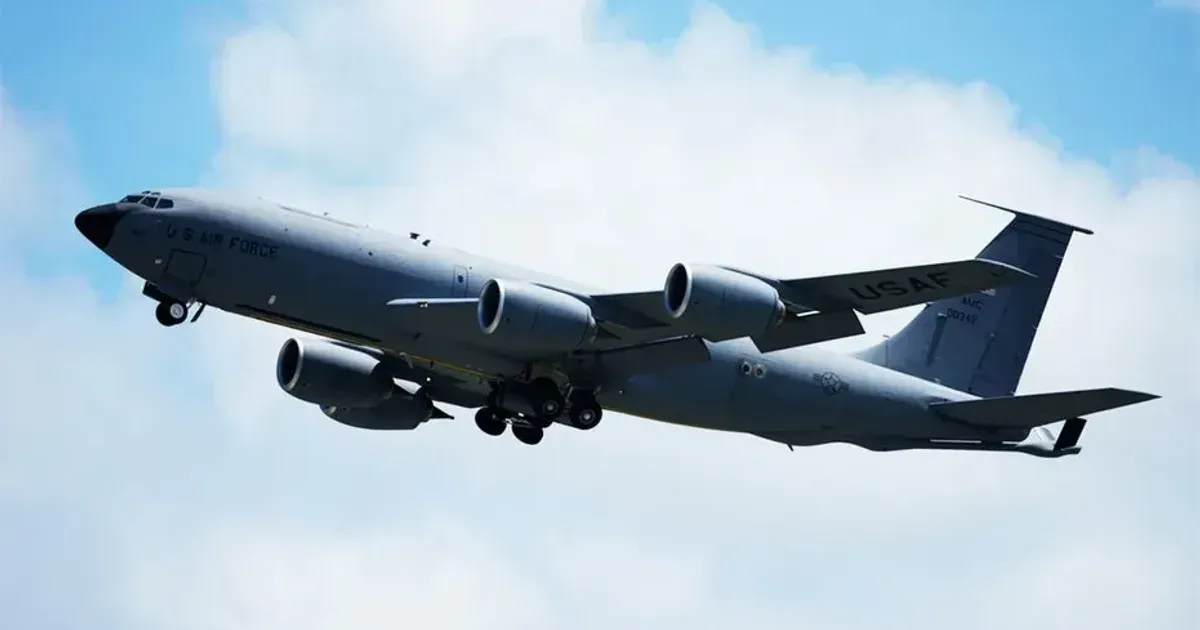
Western Iraq became the site of a fatal aviation disaster Thursday as a KC-135 Stratotanker plummeted to the ground during a combat support mission. Central Command confirmed the deaths of four service members. On March 13, 2026, the crash turned a support mission in western Iraq into a fresh question about fleet readiness. Two other crew members remain unaccounted for or are receiving treatment at undisclosed medical facilities. Rescue teams reached the smoldering wreckage in an area designated as friendly airspace near the border.
Search and recovery operations began immediately once the aircraft vanished from radar screens. Military officials categorized the incident as a non-combat loss despite the proximity to active conflict zones. The Stratotanker was providing aerial refueling for fighter jets engaged in Operation Epic Fury. Investigators are currently examining flight data recorders to determine if mechanical failure or pilot error caused the descent.
This crash underscores the heavy operational tempo currently demanded of the aging U.S. refueling fleet, which averages over 50 years of age. Boeing delivered the final KC-135 to the Air Force in 1965. Most of the active airframes have logged thousands of flight hours over decades of service in Vietnam, the Gulf War, and recent operations in the Middle East.
Maintenance crews often struggle with parts shortages for such an old platform. Modernization efforts like the KC-46 Pegasus have faced years of delays and technical glitches. Iranian sleeper cells and regime operatives dominated the security briefings in Washington throughout the week. Tensions reached a fever pitch as the White House signaled a more aggressive stance toward Tehran.
President Trump characterized the Iranian leadership as deranged scumbags during a press availability shortly before the crash occurred. Military analysts expect a surge in surveillance flights over the Persian Gulf in response to these verbal escalations. While Bloomberg suggests regional stability depends on cooling rhetoric, Pentagon sources claim the current posture is necessary to deter asymmetric threats. Energy prices surged on global markets as news of the crash filtered through financial hubs.
Iraq Mission Keeps Pressure on Crews
Federal Reserve officials are facing mounting pressure to implement interest rate cuts to offset the rising cost of fuel. Crude oil futures spiked by nearly 6% in afternoon trading on Friday. Traders anticipate further volatility if the investigation points toward any external interference in the flight path. Domestic concerns over immigration history and alleged fraud schemes have complicated the political response to the burgeoning overseas conflict.
Security around the crash site remains tight as investigators sift through the debris. Western Iraq is a critical corridor for U.S. aviation assets moving between bases in Jordan and the central Iraqi theater. Friendly airspace designations provide a level of security, yet the threat of portable surface-to-air missiles persists in the region.
Recent intelligence reports indicated a flow of advanced weaponry from Iranian-backed militias into the Anbar province. It is currently unclear if the tanker was targeted by electronic warfare or ground-based interference before it went down. Silence often follows the roar of a jet engine in the desert. This administration faces a complex dilemma as it balances domestic housing crises with the mounting costs of military engagement.
The Senate recently sent a bipartisan housing package back to the House, illustrating the legislative gridlock in Washington. Defense spending continues to grow even as critics warn of $9 billion fraud schemes in other government programs. Military families are increasingly vocal about the risks posed by relying on Cold War era equipment for modern high-intensity operations. Maintenance logs for the specific aircraft involved in the crash will be a primary focus for the Air Force Safety Center.
Tanker Loss Tests the Fleet
Why are we flying sixty-year-old museum pieces over active war zones? Washington continues to play a lethal game of chicken with aircrew lives while funneling billions into experimental tech that never reaches the front lines. Four families now wait for remains because a 1960s-era tanker could not survive a routine mission in 2026. This specific airframe belongs in a museum, not in the crosshairs of a conflict with Iran. If the Commander-in-Chief wants to destroy adversaries, he must first provide his soldiers with equipment that does not fall out of the sky on its own. Every day we fly these relics, we gamble with the lives of the few who still choose to serve a government that treats them as disposable. The bill for Operation Epic Fury is being paid in blood and broken aluminum. Expect more caskets until the Pentagon realizes that peace through strength requires actual, functional strength, not just nostalgic rhetoric and ancient hardware. The era of the Stratotanker should have ended decades ago, but political apathy has kept these flying tinderboxes in the air far past their expiration date. We are seeing the results of hardware neglect in real time.