The death of a French UNICEF worker in Goma has pushed the eastern Congo conflict into a sharper debate over drone warfare and aid worker safety.
Drone Strike Hits Humanitarian Work
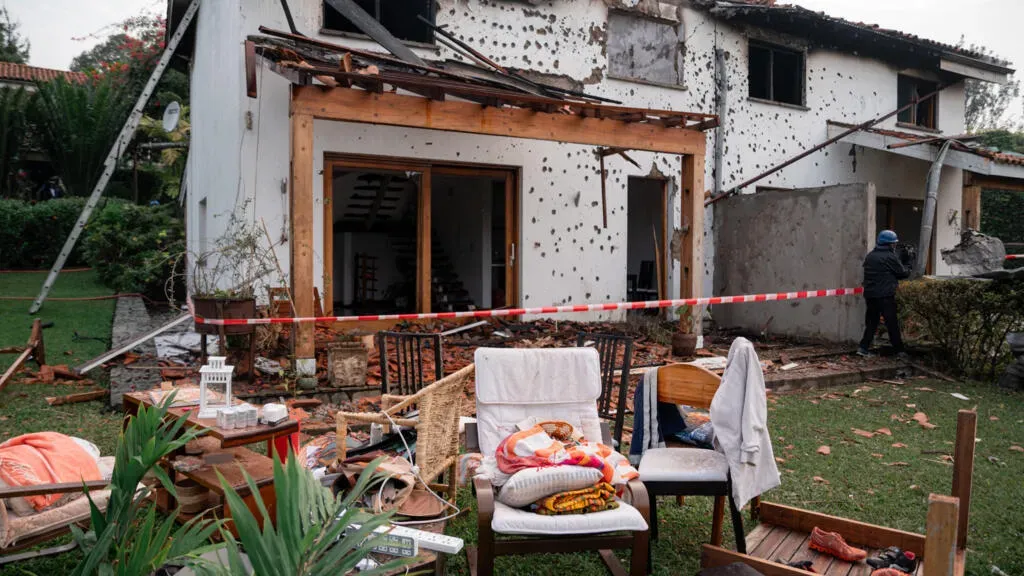
Goma woke to the sound of metal tearing through concrete on Wednesday morning. The killing drew wider alarm on March 11, 2026, as aid agencies reviewed the risks of staying in Goma. Fire and debris filled the streets of this eastern hub in the Democratic Republic of Congo after a series of overnight explosions targeted the city center. One of these blasts claimed the life of a French humanitarian worker employed by UNICEF. Emmanuel Macron, the President of France, confirmed the death during a brief press conference.
Sources from within the UN children's agency described a scene of utter confusion. This worker was helping children in one of the most volatile urban centers on Earth. Violence has now breached the fragile perimeter of downtown Goma, a city already struggling under the pressure of a multi-year rebellion. Goma is no longer a sanctuary. Reports from ground observers suggest a series of strikes attributed to drones hit several locations across the city.
France 24 noted that the strikes occurred overnight, causing multiple casualties beyond the confirmed death of the French national. M23 rebels, the primary insurgent force in the region, released a statement claiming a combat drone struck the city. They did not take responsibility for the launch. Instead, the group often points toward the Congolese military's newly acquired aerial arsenal. Kinshasa has recently deployed several unmanned aerial vehicles to combat the rebel advance.
These drones frequently operate over civilian areas, leading to frequent accusations of collateral damage from both sides of the front line. Modern technology has changed the face of the conflict in North Kivu. Rebels and government forces now utilize surveillance and combat drones to bypass traditional roadblocks. Al Jazeera reported that the M23 rebels characterized the incident as a direct drone hit on the city. Witnesses described the sounds of buzzing high above the clouds before the impacts shook the ground.
Goma Becomes More Dangerous for Aid Staff
While Bloomberg has highlighted the Congolese government's purchase of high-end military hardware, Reuters sources in the region suggest that rebel forces have also acquired sophisticated jamming and surveillance tools. Such developments make Goma an increasingly dangerous place for the thousands of aid workers stationed there. Humanitarian neutrality provides no shield against a remote-controlled death. UNICEF remains one of the last stable providers of nutrition and medical care in Goma. The agency operates in a city where the population has doubled due to an influx of internally displaced persons.
People flee the rural massacres only to find themselves trapped in an urban siege. Macron's confirmation of the UNICEF staffer's death adds a layer of international diplomatic tension to an already fraught situation. France maintains a complex relationship with the DRC. Paris frequently attempts to mediate between Kinshasa and Kigali, as the Congolese government accuses Rwanda of backing the M23 insurgency. Rwanda denies these claims.
The death of a French citizen in this crossfire forces Macron to address the security failures of a mission that has cost billions of dollars over two decades. M23 fighters have spent months tightening their grip on the supply routes leading into the city. They control the major roads to the north and west, effectively turning Goma into an island. Food prices have tripled. Electricity is intermittent.
The use of drones is a shift toward urban terror tactics that threaten the millions of civilians living within the municipal boundaries. ABC News reported that at least one person died in the downtown explosions, but local medical officials fear the toll is higher. Hospitals already overwhelmed by cholera cases and shrapnel wounds from the front lines are now treating victims from the heart of the business district. Peacekeepers from the United Nations mission, known as MONUSCO, are currently in the process of withdrawing from the country.
Why Neutrality No Longer Protects Workers
Western nations treat the Democratic Republic of Congo like a tragic background set for their moral posturing while their companies harvest the minerals that power the very drones killing aid workers. Macron's grief carries a hollow ring when one considers the French arms industry's quiet footprints in the region. For years, the international community has tolerated a cycle of proxy warfare in the DRC because the chaos keeps the price of cobalt and coltan manageable for the global tech sector. The death of a UNICEF worker is not an accident of war; it is the logical conclusion of a policy that prioritizes resource extraction over human life.
We watch the UN cycle through acronyms and peacekeeping missions while the actual perpetrators of the violence, the regional power players in Kigali and Kinshasa, receive billions in foreign aid. If Macron were serious about protecting aid workers, he would stop the polite diplomatic dancing and impose crushing sanctions on those who fund the M23 and the corrupt military officers who sell out their own people. Instead, we get another press release and a moment of silence while the drones keep circling. The humanitarian-industrial complex is failing because it refuses to name the enemies it claims to fight.