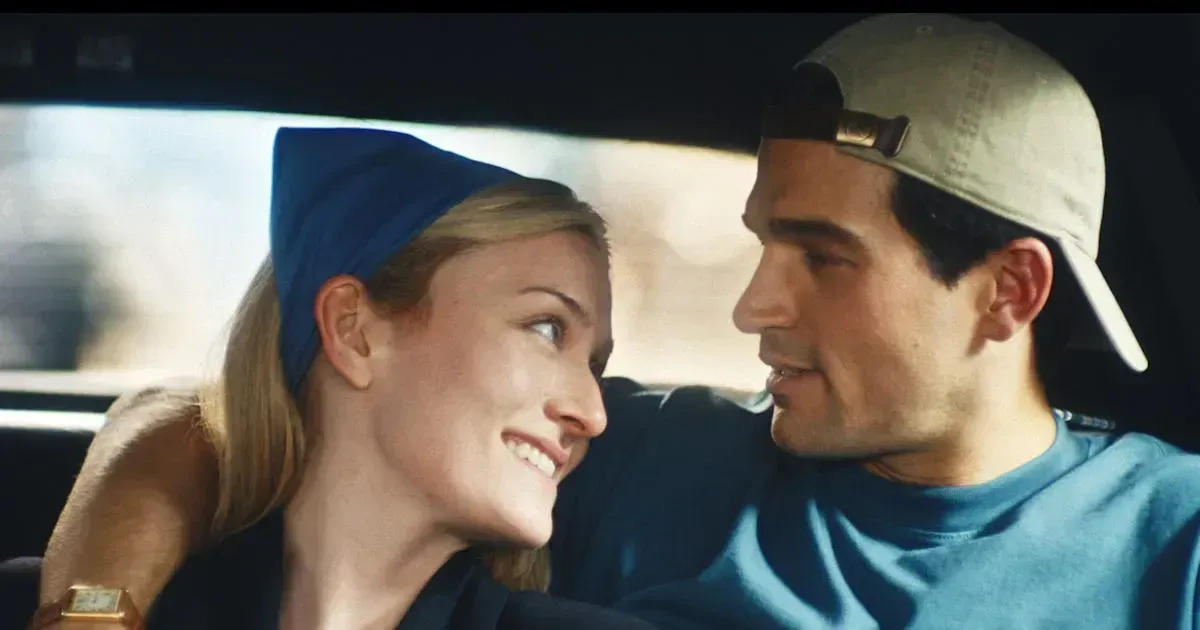
FX Reopens a Kennedy Fashion Mystery
The FX series reintroduced a new generation to the frantic, flashbulb-lit world of the nineties through the lens of Ryan Murphy's latest production. Love Story focuses on the turbulent marriage of John F. Kennedy Jr. and Carolyn Bessette, a couple whose private moments remained largely shielded from a voracious press. By March 12, 2026, the FX project had turned an old tabloid detail into a fresh culture conversation. One specific scene in the recent episode sparked immediate digital debate when Bessette, played by Sarah Pidgeon, jokes about matching tattoos acquired during an Istanbul honeymoon.
Such a detail might seem like a simple narrative flourish for a scripted drama, yet the script draws from a murky pool of historical anecdotes that have circulated since the late nineties. Biographer C. David Heymann first recorded these claims in American Legacy, citing a club manager named Emil Gabron who befriended the newlyweds in Turkey. Gabron alleged that the couple returned to New York with shamrock tattoos inked on their lower backs, a rebellious departure from the polished Camelot image.
Elizabeth Beller, whose 2024 book Once Upon a Time served as a primary source for the series, expressed surprise at the claim but noted its alignment with the couple's private humor. Public perception of Bessette often skewed toward the cold or aloof, a byproduct of her constant battle with aggressive paparazzi. Beller's research reveals a different woman who laughed until tears fell, a side of her personality that the tabloid cameras failed to capture.
Journalists Liz McNeil and RoseMarie Terenzio also explored the tattoo lore in their 2024 oral biography, though they pointed toward a different location for Kennedy's ink. Their accounts suggest a tattoo might have existed on his ankle, often visible or discussed during his frequent, high-intensity workouts.
Tattoo Rumors Reveal Celebrity Memory
Physical vanity and athletic prowess were central to the Kennedy identity, making the addition of permanent ink a plausible, if unconfirmed, act of personal branding. These competing accounts highlight the difficulty of separating fact from folklore when dealing with individuals who lived their most intimate moments in the shadows of public expectation.
Kennedy Jr. understood the power of the image better than most of his contemporaries. He spent years as an assistant district attorney in Manhattan, yet his professional legal career was frequently overshadowed by his status as People's Sexiest Man Alive.
His decision to launch George magazine in 1995 sought to bridge the gap between hard politics and celebrity culture. Critics at the time questioned the move, but Kennedy saw an opportunity to democratize political discourse through entertainment. Promotion for the magazine required unconventional tactics, leading to one of the most unexpected television cameos of the decade. September 1995 saw the premiere of Murphy Brown's eighth season featuring a guest appearance by the heir to the Kennedy legacy. Kennedy played a comedic version of himself, pretending to be an assistant to Candice Bergen's title character. His presence on the sitcom served a singular purpose: marketing. He told reporters at the time that he hoped the show would introduce George to an audience that appreciated politically themed entertainment. The cameo remains his only scripted television credit, a brief flirtation with Hollywood that hinted at a career trajectory he never fully embraced.
The renewed attention says as much about viewers as it does about the couple. Tattoos, clothes and private habits become clues because the public record is incomplete, and because the Kennedy-Bessette story still sits between romance, tragedy and style mythology. A scripted series gives those fragments new circulation even when it cannot settle every rumor. That uncertainty is the point: the audience is not only watching a relationship, but also the machinery that keeps remaking it. The Kennedy archive has always mixed documented public life with speculation about private behavior. A new television treatment widens that gap, inviting viewers to treat style, body language and rumor as evidence in a story that remains emotionally unresolved.
That dynamic explains why the tattoo question keeps returning. It is not only a question about whether a private mark existed; it is a question about how much intimacy the public believes it is owed from figures who became style icons after their deaths. The FX series gives viewers a new frame, but it also shows how little evidence is needed to restart an old fascination. Bessette’s minimalist wardrobe and Kennedy’s inherited fame still function as visual shorthand for a specific 1990s New York mythology. Every new dramatization adds another layer to that mythology, even when the factual record remains thin. The appeal is not certainty.