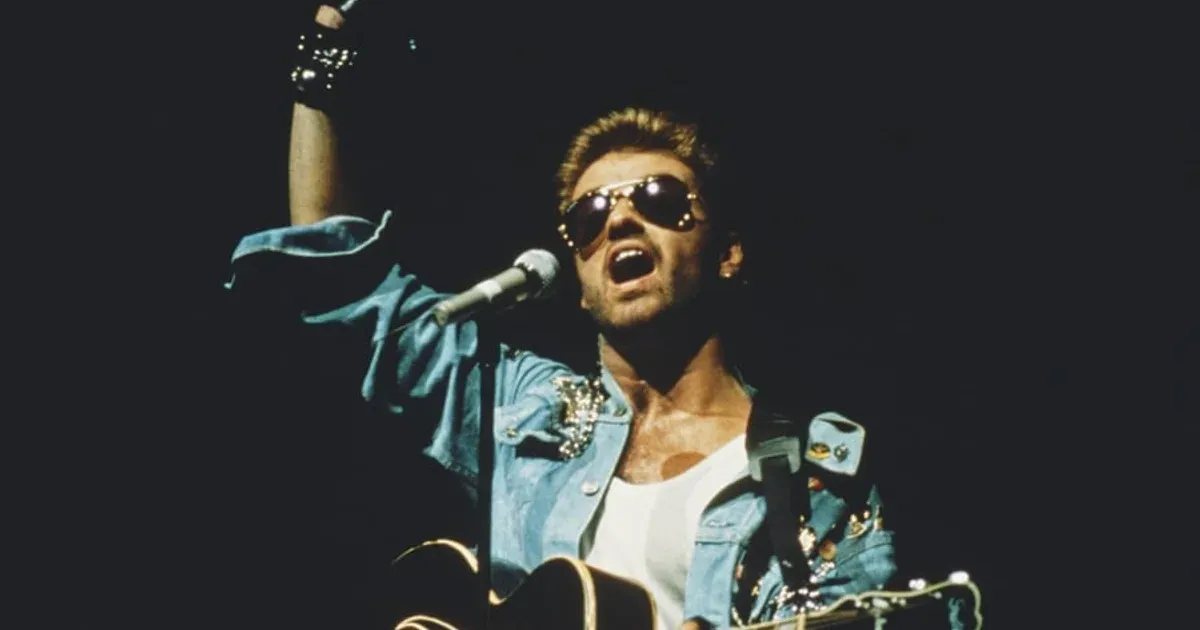
Archival Discovery Unveils Legend at His Zenith

Parisian night air in 1988 crackled with a specific kind of electricity that only a global superstar at the absolute height of his powers could generate. George Michael, having recently shed the bubblegum pop image of Wham!, stood on the stage of the Bercy Arena as the most influential male vocalist of his generation. For decades, the high-definition record of that night remained locked in a vault, whispered about by collectors but never seen by the public. Sources now confirm that a 14-camera shoot from that performance forms the backbone of a major cinematic release coming later in 2026. This ambitious project aims to restore Michael's visual legacy with the same precision he applied to his vocal tracks.

Restoration teams have spent months digitizing the original film stock to meet modern theatrical standards. Sony Music and the George Michael estate announced that the film, titled George Michael: The Faith Tour, will receive a worldwide rollout. Beyond the visual spectacle, the release includes an 18-track album of previously unreleased recordings. These tracks span both his solo years and his time with Wham!, offering a thorough look at his evolution as a songwriter. Musicologists suggest the recordings provide a rare glimpse into how Michael rearranged his hits for the live stage, often leaning into jazz and soul influences that his studio albums sometimes polished away.

The Faith tour remains a touchstone in pop history because it cemented Michael as a serious artist. When he stepped out in the iconic leather jacket and Ray-Bans, he was not just selling a look but a new era of adult contemporary music. Revenue from the original tour broke records across Europe and North America, yet the singer famously felt the pressure of his own fame. Such tension is reportedly visible in the new footage, which captures candid moments between songs. These snippets show a man grappling with the transition from teenage idol to a creator demanding respect from the industry elite.

Preservation experts believe the Bercy Arena tapes contain some of his finest vocal work.

Technical challenges often prevent archival footage from this era from reaching the big screen. In 1988, 14-camera setups were incredibly expensive and rare for concert films. The decision to film the Paris show in such detail suggests that Michael or his management intended for a theatrical release decades ago. Why it was shelved remains a subject of debate among inner circles. Some former associates claim Michael's perfectionism led him to find fault with minor aspects of the performance, while others point to the grueling nature of the tour which left little time for post-production editing.

Fans in the United States and United Kingdom have long campaigned for a high-quality live document of the Faith era. Existing bootlegs are grainy and suffer from poor audio, making this official restoration a necessity for the historical record. The upcoming 18-track album serves a different purpose, acting as a bridge between his commercial peaks. It includes unheard live renditions of songs that defined the late eighties. Early listeners at the label suggest the audio quality is startlingly clear, benefiting from modern AI-assisted isolation techniques that can separate his voice from the crowd noise without losing the atmosphere of the arena.

Artistic integrity was always his primary concern.

Estate management for legacy artists has become a billion-dollar industry recently. Prince, David Bowie, and Whitney Houston have all seen significant posthumous activity, though the results are often mixed. The Michael estate has taken a slower, more deliberate approach to his archives. Because Michael was so protective of his output during his life, any new release faces intense scrutiny from his core audience. This cinematic event represents one of the most significant moves by the estate since his passing in 2016. It places him back in the global conversation, not as a tragic figure, but as a dominant performer who commanded the stage with effortless grace.

Financial analysts expect the film to perform well in the event-cinema circuit, where fans pay premium prices for one-night-only or limited-run screenings. Similar releases from artists like Taylor Swift and Beyoncé have proven that concert films are a viable alternative to traditional blockbusters. While the Faith tour took place nearly forty years ago, the nostalgia market for the eighties is currently at an all-time high. Younger audiences, discovering his music through streaming and social media trends, provide a new demographic for the estate to target. A global cinema rollout ensures the film feels like a cultural event rather than just another addition to a streaming catalog.

Sony Music executives have hinted that the 18-track album will not just be a soundtrack but a standalone piece of the Michael discography. It features songs that were famously difficult to perform live due to their complex vocal layering. To hear Michael hit those notes in a single take without the safety net of studio overdubs is a revelation. It proves he was one of the few artists of the MTV era who could truly back up his image with raw, unadulterated talent. This collection promises to be the definitive live statement of his career.

The Elite Tribune Perspective

Should we really be celebrating the continuous excavation of dead celebrities for every last scrap of unreleased content? George Michael was a notorious perfectionist who spent years obsessing over every snare hit and vocal inflection. If he wanted this footage in the public eye, he probably would have released it in 1989. The modern music industry has become a vulture culture, picking at the bones of the 20th century because it lacks the imagination to build new icons of Michael's stature. We are being sold nostalgia under the guise of preservation. However, there is a counter-argument that these archives belong to the culture once the artist is gone. If the estate manages this correctly, they are not just making a quick buck, they are preventing a legend from fading into the background of a digital library. The danger is that we turn a once-vibrant human being into a curated brand, scrubbed clean of the complexities and flaws that made his music so resonant in the first place. Legacy management is often just a polite term for corporate mining. We must ask whether we are honoring his memory or simply refusing to let him rest so we can hear one more version of a song we already know by heart.