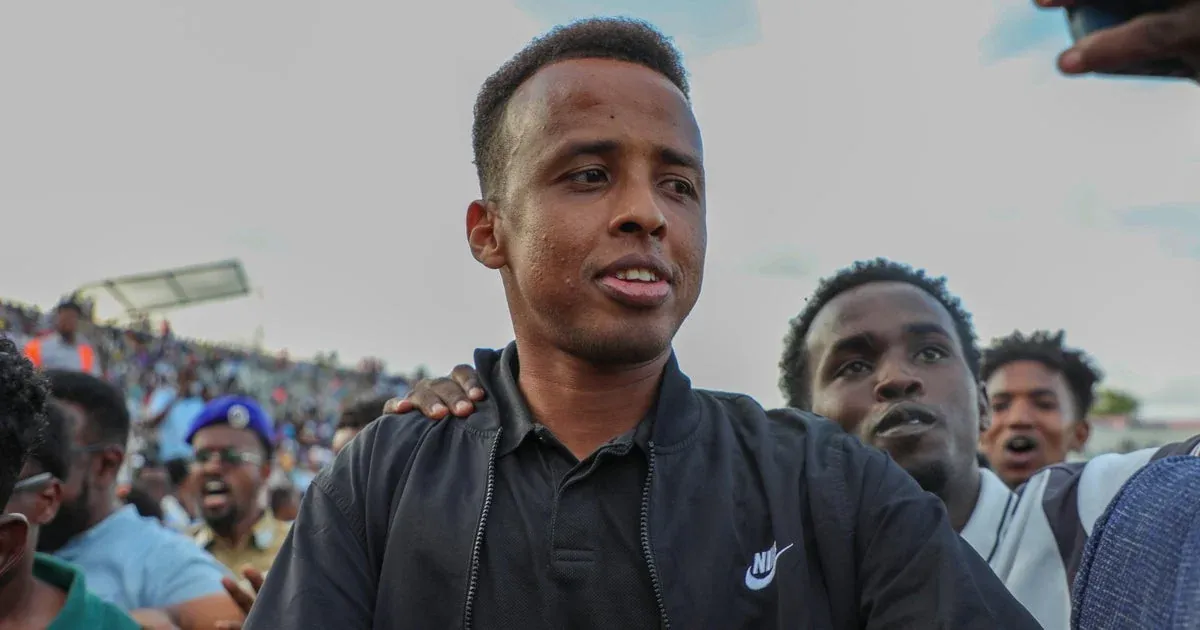
Andrew Giuliani defended the U.S. decision to deny Somali referee Omar Artan entry before the 2026 World Cup, saying federal officials acted on security vetting concerns. Artan had been selected as the first Somali referee for a men's World Cup but was barred at the U.S. border and sent back before officiating. The referee-entry dispute emerged publicly on June 15, 2026.
The case has become a flashpoint for tournament security, immigration discretion and FIFA's dependence on host-country entry rules. Giuliani, executive director of the White House Task Force on the World Cup, argued that the decision was necessary to protect the event.
Border Vetting Collides With Tournament Neutrality
Reports say Artan was detained for hours at Miami International Airport despite traveling with documentation connected to his officiating role. U.S. officials cited security concerns, while Artan denied wrongdoing and said he had proper papers. The public dispute has been sharpened by the lack of detail. U.S. authorities generally do not disclose the intelligence behind entry decisions, but that secrecy leaves national federations and fans with little basis to judge whether a decision was narrowly grounded or overly broad.
Artan's case carries extra weight because his selection had been celebrated as a milestone for Somali football. Missing the tournament therefore became more than an administrative setback; it became a story about representation, access and the limits of host-country discretion.
The episode leaves FIFA in an awkward position. The governing body can select referees and pay them, but it cannot force a host country to admit an official. Reports indicate Artan is still expected to receive his World Cup fee even though he will not referee at the tournament.
That distinction matters because the incident is not a normal officiating change. It raises questions about whether security vetting can be applied consistently without appearing to target nationality, religion or political background.
World Cup Security Faces a Public Test
Giuliani said no players had been formally barred, though some arrivals connected to the tournament could face additional screening. Officials responsible for host-city security are trying to manage thousands of players, staff, media workers, referees and support personnel moving through airports and controlled venues.
That scale creates pressure for broad checks, but broad checks carry diplomatic risk. A referee denied entry can become a symbol for countries that already worry about unequal treatment inside a tournament advertised as global and inclusive.
The World Cup depends on a promise that qualified teams, officials and media can move through host countries with predictable procedures. When one official is blocked, every later secondary screening receives more attention than it otherwise would. Giuliani's defense may satisfy domestic security audiences, but FIFA and participating federations have different priorities. They need confidence that sporting appointments will not be disrupted by unclear or last-minute border decisions.
Somali football officials and supporters have treated Artan's case as a major setback for a referee whose selection carried national significance. His removal from the tournament does not only affect one match assignment; it removes a milestone moment from Somali football history.
What FIFA and U.S. Officials Must Answer
The central question is transparency. Security agencies rarely disclose full intelligence, but sports bodies and national federations need enough explanation to understand whether the standard is evidence-based, consistent and appealable. For the United States, the case shows how immigration enforcement can become part of the World Cup story before a ball is kicked. For FIFA, it is a reminder that host-country power can override sporting plans when border officials make a security decision.
The practical outcome is also unusual. Reports say Artan will still receive payment connected to his World Cup assignment, a sign that FIFA recognizes the professional consequences even though it cannot reverse the entry decision. That payment may soften the financial blow, but it does not replace the lost chance to officiate on the sport's largest stage. For Somali football, the symbolic damage remains.
The case is therefore likely to follow the tournament beyond its opening week. The tournament can still proceed smoothly, but Artan's case will remain a reference point whenever officials discuss the balance between safety and access. A global event cannot avoid security checks; it also cannot afford the perception that checks are arbitrary.