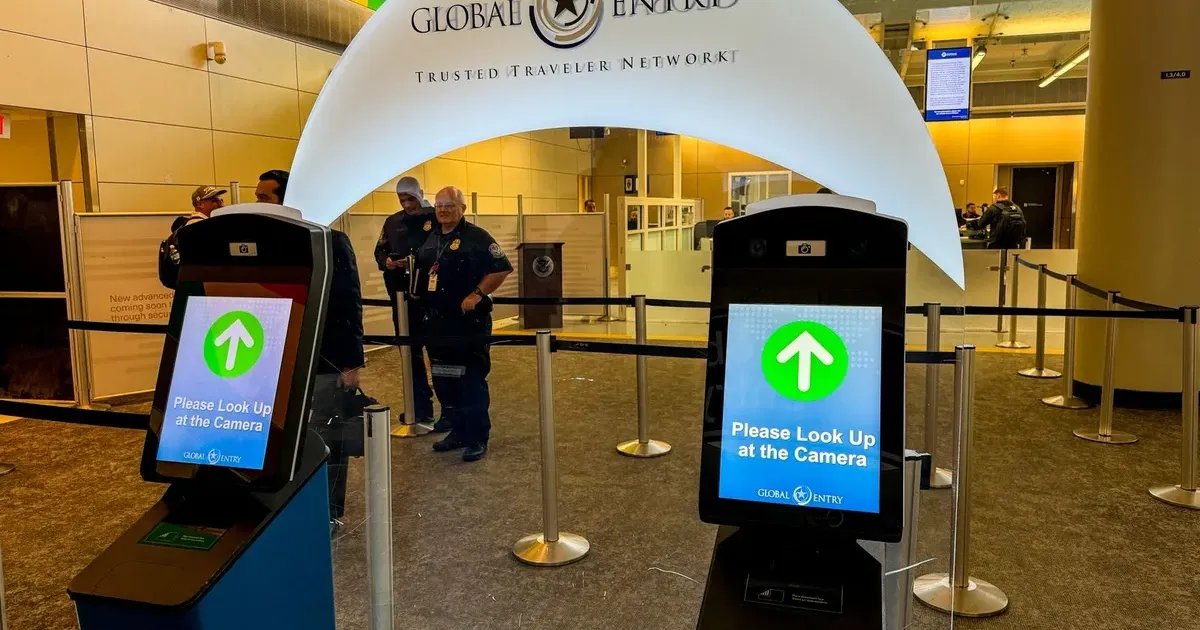
The return of Global Entry service across U.S. airports has eased customs pressure, but the shutdown fight still leaves trusted-traveler fees, staffing and enrollment backlogs unresolved. The report was published March 11, 2026
March Return for Expedited Border Clearances
March 11 brings a reprieve for weary international travelers as the Department of Homeland Security prepares to reactivate Global Entry kiosks. DHS officials confirmed the 5 a.m. Wednesday restart late Tuesday evening, as the restoration began to ease pressure at major airports, ending a weeks-long hiatus for the popular expedited clearance program. News of the reversal first leaked via the New York Times, followed by a formal confirmation from a department spokesperson. Global Entry members have faced standard customs lines since February 22, the date federal authorities halted the service. A partial government shutdown affecting the Department of Homeland Security caused the initial suspension. Eighteen days of operational limbo left millions of vetted travelers questioning the value of their membership. While the shutdown persists, the administration determined that the benefits of clearing international arrivals quickly outweighed the logistical strain on unpaid staff. Internal pressure from airport authorities and major carriers influenced the decision to bring biometric kiosks back online before the peak spring travel season. The suspension lasted eighteen days. Customs and Border Protection officers will return to their stations at Global Entry lanes despite the lack of a federal budget. These officers, along with their colleagues in the Transportation Security Administration, continue to work without a paycheck. Restoring the service does not resolve the underlying financial standoff in Washington, but it does alleviate a major bottleneck in international arrival halls. Travelers landing at hubs like JFK, LAX, and O'Hare have reported wait times exceeding two hours during the suspension period. Sunday's traffic figures showed the highest volume of airport activity since early January, signaling that the system was nearing a breaking point.
Financial Friction and User Fees
Congressional critics of the suspension pointed to the program's unique funding structure as a reason for its continued operation. Every member pays a $120 application fee that covers a five-year period. These funds generally allow the program to remain self-sustaining, even when other federal agencies lose their discretionary spending authority. Industry groups like Airlines for America argued that withholding a service paid for directly by the consumer was an unnecessary escalation of political friction. The revenue generated from these fees sits in a dedicated account specifically for Trusted Traveler Programs, making the initial closure a choice rather than a necessity.
Standard processing for international flights requires travelers to meet with an officer for manual passport verification and declarations. Global Entry bypasses this manual intervention using facial recognition technology and iris scans. By automating the identity verification process, Customs and Border Protection can process a passenger in under thirty seconds. Removing this automation forced thousands of low-risk travelers back into general lanes, stretching the already thin staff to their limits. Bureaucratic logic suggests that keeping the kiosks closed would save resources, yet the reality on the ground proved that manual processing is far more labor-intensive.
This restoration indicates a shift in strategy for an administration balancing security with economic flow.
While Global Entry returns, the experience at security checkpoints remains fraught with delays. TSA PreCheck lanes generally stay open during shutdowns, but staffing shortages often lead to lane closures or reduced hours. Many Global Entry members rely on the included PreCheck benefit to navigate domestic terminals. Resuming the international side of the program does nothing to solve the mounting lines at the x-ray machines where officers are also working without compensation. Reports of increased sick calls among TSA staff suggest that the morale crisis within the Department of Homeland Security is far from over.
The Logistics of Restoring Service
Airlines have spent the last two weeks adjusting schedules and warning passengers about potential delays in customs. Carriers with significant international networks, such as Delta and United, voiced concerns that long wait times were causing passengers to miss domestic connections. Each missed connection creates a ripple effect, requiring rebooking, hotel vouchers, and additional staffing. Restoring the fast-track kiosks allows these airlines to resume normal operations and reduces the financial burden of a congested customs hall. Logistics experts believe it will take several days for the system to reach full efficiency as software updates are pushed to kiosks nationwide.
This fee-based model has become a flashpoint in the debate over government essentiality.
Applicants who have been waiting for their background checks or final interviews face an even longer road to membership. The suspension also affected the processing of new applications and the scheduling of the required in-person interviews. A backlog of tens of thousands of applicants likely grew during the eighteen-day freeze. Even with the kiosks back in operation, the administrative side of the program remains crippled by the shutdown. New travelers hoping to join the program before summer vacations may find themselves waiting months for a slot at a processing center.
This sudden policy shift highlights the fragile nature of modern travel infrastructure.
Vulnerability in the travel sector often stems from the intersection of technology and policy. Global Entry represents one of the most successful public-private integrations in federal history, moving millions of people with minimal friction. When such a system is deactivated for political use, the economic consequences are immediate. International tourism and business travel contribute billions to the US economy, and any perceived difficulty in entering the country can deter high-value visitors. The restoration of service on Wednesday morning is a recognition that some systems are too key to remain offline regardless of the budget status in the capital.
What Travelers Should Watch
Bureaucratic hostages rarely receive a formal apology when their captors finally decide to let them go. The weaponization of the Global Entry program was never about security or fiscal responsibility, it was a calculated attempt to make the average citizen feel the sting of a legislative stalemate. By shuttering a service that is entirely self-funded by user fees, the Department of Homeland Security admitted that its priorities lie in political theater rather than operational efficiency. It is a cynical maneuver to charge a citizen $120 for a five-year contract and then unilaterally suspend the service because of unrelated budgetary bickering in the halls of Congress. Travelers should be skeptical of the claim that this reversal was based on a routine evaluation of security measures. Instead, it was a retreat necessitated by the sheer absurdity of the policy. The kiosks were never the problem, and their closure solved nothing. If anything, this eighteen-day disruption has proven that the government views the Trusted Traveler Program not as a security asset, but as a bargaining chip. Expecting travelers to pay for the privilege of efficiency while holding that same efficiency over their heads is a betrayal of the public trust that will take more than a 5 a.m. restart to repair.