Global markets are treating the Iran conflict as a financial shock that reaches oil, hedge funds, mortgages and technology risk at the same time.
War Risk Moves Through Markets
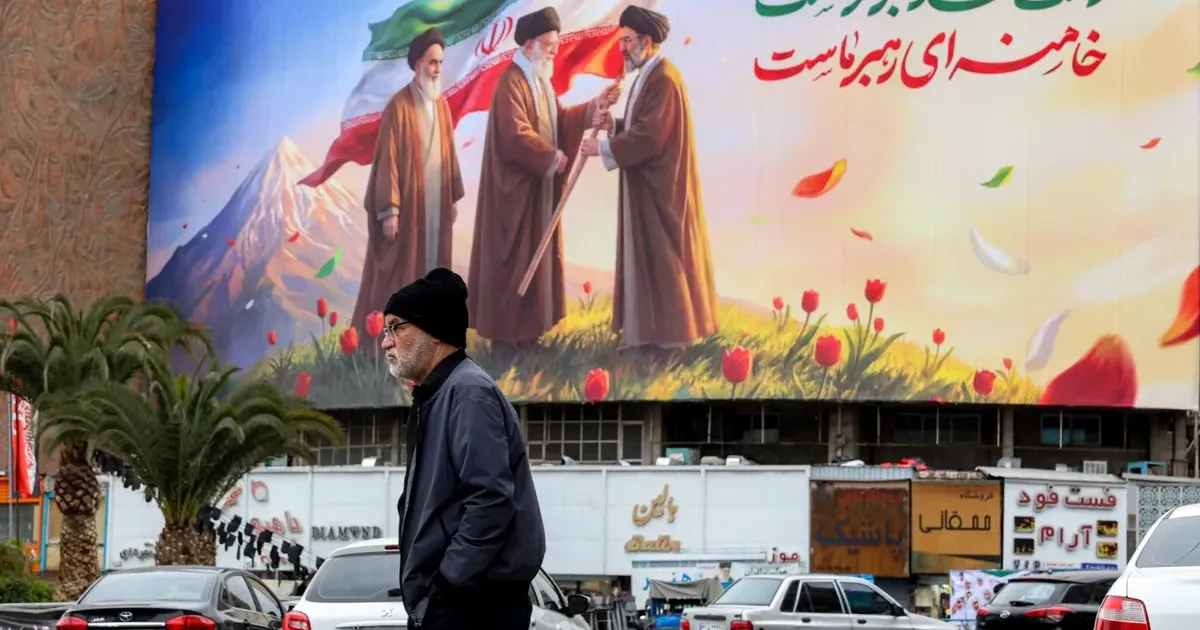
Tehran remains a city of whispers today. Mojtaba Khamenei, the newly installed Supreme Leader of Iran, reportedly survived an assassination attempt or military strike, yet his physical condition stays shrouded in state secrecy. While official channels maintain he is safe, the lack of a televised appearance has fueled intense speculation across global intelligence networks and trading floors alike. The market stress widened on March 11, 2026, as traders began pricing war risk across more than oil. Energy markets reacted with immediate volatility.
Brent crude futures jumped toward the psychological threshold of $200 per barrel as traders factored in the possibility of a total collapse in Persian Gulf security. Such a price point seemed unthinkable months ago, but the reality of a leaderless Iran has forced a radical repricing of geopolitical risk. Donald Trump continues to insist that the conflict remains very complete, a claim intended to soothe nervous domestic voters. Investors are not buying the narrative. S&P 500 futures fell 0.22% in early trading, following a negative close in the previous session.
The disconnect between White House rhetoric and market reality has grown into a canyon. While the administration paints a picture of a contained skirmish, the STOXX Europe 600 dropped more than a full point. European analysts remain unconvinced that any exit strategy exists, let alone one that is currently being executed. This skepticism stems from the contradictory data emerging from the region. The math does not add up.
Iran is currently exporting more oil than it did before the outbreak of hostilities.
Oil and Credit Stress Deepen
This paradox suggests that either the blockade of Iranian ports is porous or that global demand has become so desperate that sanctions are being ignored by necessity. The International Energy Agency is now preparing the largest release of strategic oil reserves in its history to prevent a global industrial standstill. Asian markets, particularly Japan's Nikkei 225 and South Korea's KOSPI, saw modest gains of over 1.4% on news of this intervention. These nations depend heavily on foreign imports, and any injection of liquidity into the energy supply acts as a temporary life support system for their manufacturing sectors. Andrew Law's Caxton Associates felt the blunt force of these fluctuations last week.
The firm's $9 billion flagship fund plummeted 7%, losing more than $600 million in a matter of days. Macro traders who bet on a quick stabilization were caught off guard by the resilience of Iranian exports and the sudden injury to Khamenei. Caxton's struggle highlights a broader trend among institutional investors who have struggled to time the swings of a war that refuses to follow traditional military logic. Many funds found themselves on the wrong side of currency bets as the US dollar fluctuated wildly against the yen and the euro. Fear has become the primary currency of the S&P 500.
MarketWatch analysts point to the Strait of Hormuz as the next line in the sand for domestic equities. If the Iranian Navy or proxy forces successfully choke the passage, the resulting supply shock would likely trigger a technical bear market. Technical indicators suggest the S&P 500 is clinging to support levels that could shatter if oil stays above $150 for a sustained period. Investors are watching for any sign that the Iranian leadership transition might descend into a multi-factional civil war, which would jeopardize the remaining infrastructure in the Khuzestan province. London's mortgage lenders pulled nearly 200 products from the market this morning.
Technology Wealth Faces a Confidence Test
Average mortgage rates in the United Kingdom hit their highest levels since last August, echoing the chaos of the 2022 mini-budget crisis. Homeowners facing renewals are seeing their monthly payments balloon by hundreds of pounds. This financial hemorrhaging is a direct result of the upward pressure that energy costs exert on inflation, forcing central banks to keep interest rates restrictive. Banks are terrified of the uncertainty surrounding the war, choosing to pull deals rather than risk exposure to a rapidly shifting interest rate environment. UBS warned its wealthiest clients that governments will likely be forced to tax wealth assets more aggressively to pay for the rising costs of energy subsidies and military expenditures.
The bank suggests that the era of low-tax capital gains may be ending as the fiscal burden of the conflict mounts. Bank of America data shows that income inequality in the U.S. is widening further as energy-rich corporations reap record profits while the bottom 40% of households struggle with soaring utility bills. Tax refunds might be slightly larger this year according to recent IRS projections, but those gains will likely be erased by the cost of gasoline before the summer begins. Institutional trust took another blow as an investigation by Fortune revealed the depth of Jeffrey Epstein's influence within Microsoft.
Documents show Epstein drafted text for a Microsoft 8-K SEC disclosure and negotiated a $1 million exit package for Steven Sinofsky, the former president of Windows. He also monitored Bill Gates's marriage and provided resources to a woman with whom Gates had a relationship. The revelation of rot at the top of the American tech hierarchy coincides with the geopolitical instability abroad. It suggests a leadership class more focused on personal scandals and secret settlements than on managing the complexities of a global energy crisis.
Why Finance Still Misprices War
Does anyone truly believe the platitudes coming out of Washington regarding the completion of this war? The reality is that we are trapped in a cycle of managed chaos that serves the interests of energy giants and defense contractors while the average citizen is squeezed at the gas pump and the mortgage office. Trump's bravado about a finished conflict is a transparent election-year fiction. If the war were complete, the IEA would not be emptying its strategic reserves like a sinking ship bailing water. We are seeing a fundamental breakdown in the ability of Western leaders to project power or maintain economic stability.
The injury to Mojtaba Khamenei is the ultimate wildcard, yet the markets are reacting with a lethargy that suggests they have become numb to catastrophe. Such a numbness is dangerous. When the Strait of Hormuz finally closes or the next hedge fund implodes, the shock will be far greater because we chose to ignore the warning signs in favor of political slogans. The elite are busy managing their reputations and Epstein-adjacent scandals while the infrastructure of the modern world burns. You should stop looking at the S&P 500 tickers and start looking at the price of bread.