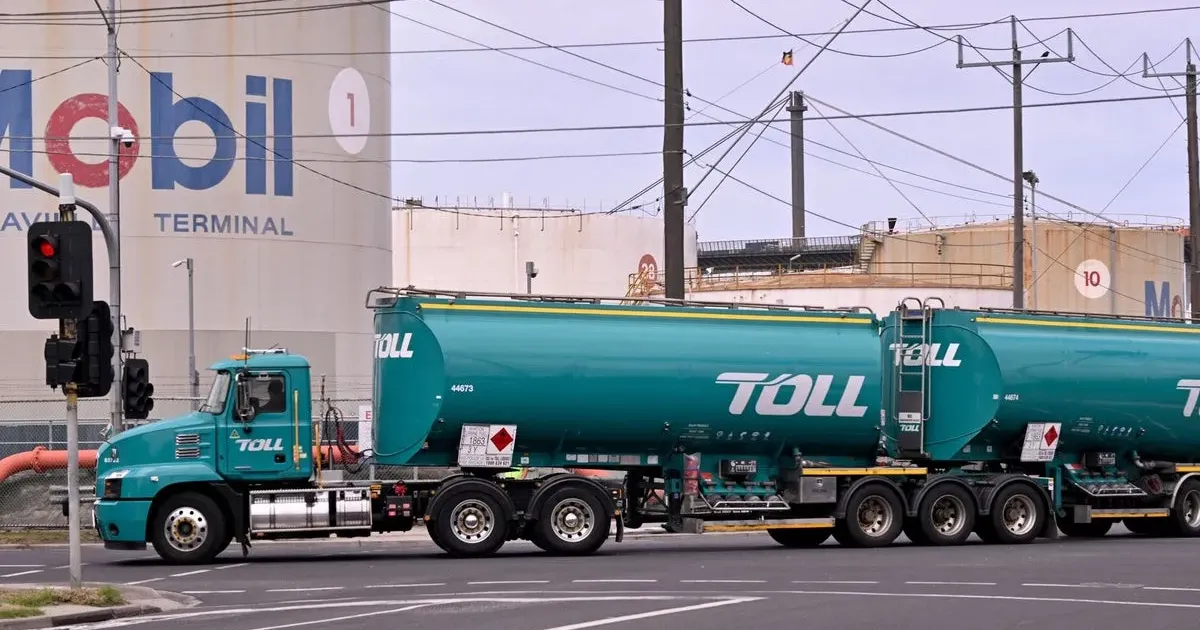
Global markets lost their calm after energy officials moved from routine crisis management to an emergency stockpile release. The market shock spread on March 12, 2026
Global Markets Lose Their Calm
Parisian streets surrounding the International Energy Agency headquarters felt the tension of a world on the brink this Wednesday. Executive Director Fatih Birol stood before a crowded room of reporters to announce a move without precedent in the history of global energy management. Thirty-two member nations have unanimously agreed to release 400 million barrels of oil from their emergency stockpiles. Birol described the release as a necessary response to the total paralysis of tanker traffic through the Strait of Hormuz. This decision represents the largest collective action since the agency was founded, dwarfing previous interventions by an order of magnitude. Each nation will determine its own timeline for the rollout, but the message was clear: the world is running out of time and fuel. Energy security has become a ghost of the past. Supply lines that once fueled the global economy are now severed. The Middle East conflict has effectively halted the movement of oil tankers, leaving refineries from Singapore to Rotterdam scrambling for alternatives. While the IEA hopes 400 million barrels will stabilize the market, critics worry the volume is a mere bandage on a femoral wound. Global demand continues to outpace these emergency injections, and the logistical nightmare of rerouting trade around the Cape of Good Hope adds weeks to delivery schedules as war risk forces investors to rethink inflation and safety.
Oil Reprices Inflation Again
Crude prices have already surged past previous records, defying the optimistic projections issued by Western analysts just months ago. Washington finds itself in a precarious position as the domestic impact of the war hits American voters where it hurts most. Despite near-record crude production within US borders, the localized nature of global markets means domestic supply cannot insulate citizens from the shock. Gasoline prices at the pump have jumped 60 cents a gallon in less than two weeks. This rapid escalation has caught the administration off guard, especially as reports suggest the White House sharply underestimated the economic blowback of its operations against Iran. Politico reports that internal assessments failed to account for the velocity of the price spike, leaving officials to play a desperate game of catch-up. The math simply does not favor the consumer. Families across the Midwest and the Sun Belt are seeing their disposable income vanish into fuel tanks. Rising transportation costs are already trickling down into the price of milk, bread, and other staples. While US production remains high, the infrastructure is not designed for total isolation from the global grid. Refineries on the Gulf Coast are calibrated for specific grades of heavy crude that often come from abroad, and the sudden loss of those imports creates a bottleneck that no amount of Texas light sweet crude can immediately fix.
Safe Havens Send Mixed Signals
Commodity markets are fracturing far beyond the energy sector. Global trade depends on the Strait of Hormuz for more than petroleum, and the current blockade is throttling the supply of essential industrial materials. Aluminum prices have reached levels not seen in a generation, threatening the automotive and aerospace industries. Helium, a critical component for medical imaging and semiconductor manufacturing, is becoming increasingly scarce as shipments from Qatar remain trapped behind the naval standoff. This shortage could ground high-tech production lines across Southeast Asia and the United States within a month.
Fertilizer exports have also become a casualty of the maritime freeze. Middle Eastern producers provide a significant portion of the nitrogen-based fertilizers required for global agriculture. With these shipments stalled, the cost of farming is skyrocketing in India, Brazil, and across the African continent. Ethanol and other biofuels are seeing increased demand as substitutes, but they cannot scale fast enough to meet the shortfall. Authorities in New Delhi and Brasilia are already working on emergency subsidies to ensure food supply stability, yet rising logistics costs make these efforts difficult to sustain over the long term.
International reactions to the crisis highlight a growing rift in how the world perceives the conflict.
Central Banks Face a New Shock
Russian state media outlets, including TASS, have been quick to point out what they call a strategic miscalculation by the Pentagon. They argue that the US failed to recognize how integrated the Iranian economy is with global commodity flows. Meanwhile, Chinese observers via CGTN emphasize the role of the IEA in attempting to maintain a semblance of order. Fatih Birol mentioned that the IEA secretariat will provide further details on the implementation of the 400 million barrel release in due course, but the delay in specific logistics is causing further anxiety in the trading pits. Supply chains are not easily mended once broken.
Shipping firms are now charging massive premiums for insurance, and many captains refuse to enter the Persian Gulf regardless of the price. The resulting backlog of goods extends beyond commodities to finished electronics and machinery. Every day the Strait remains closed adds billions of dollars to the total economic damage. Central banks are now facing the nightmare scenario of stagflation, where prices rise even as the threat of a global recession looms larger with every passing hour.
The Inflation Story Was Not Over
Global markets shuddered as war risk pushed investors into defensive positions. Oil and shipping costs revived inflation worries, while currencies, bonds and equities reacted unevenly to the shock. Central banks face a harder path if conflict keeps prices elevated because war can affect energy, shipping, inflation expectations, currencies and corporate margins at the same time.
Investors are watching oil prices, shipping lanes, central bank language and currency pressure first. Markets did not suddenly become irrational. They are admitting that inflation can return through geopolitics even after months of softer data.
That makes the policy path narrower.