Memory Costs Hit the PC Market
Analysts framed the shift as a supply shock. March 12, 2026, marks a somber milestone for the global technology sector. Market analysts are now bracing for a deeper freeze in consumer electronics than previously imagined.
International Data Corporation, better known as IDC, released a revised forecast today that paints a grim picture for hardware manufacturers and buyers alike. Global PC shipments are now expected to plunge by 11.6 percent over the course of the calendar year.
Such a sharp decline surpasses the earlier, already pessimistic projection of an 8.9 percent falloff. Jitesh Ubrani, research manager for IDC’s Worldwide Mobile Device Trackers, noted that memory shortages will persist well into 2027.
His assessment suggests that the industry is trapped in a supply-side bottleneck that shows no signs of loosening. While some price relief might arrive in 2028, the market is unlikely to return to the affordability seen in early 2025. This scarcity defines the hardware market. Memory costs are skyrocketing across the board. Every major player from HP and Samsung to boutique manufacturers like Framework and handheld gaming innovator Valve is feeling the squeeze. Production lines are slowing as the cost of dynamic random-access memory and NAND flash storage consumes larger portions of manufacturing budgets. Profit margins are thinning, forcing many companies to pass these expenses directly to the consumer. Middle East tensions are compounding these manufacturing woes. Escalating conflicts in Iran have disrupted critical shipping lanes and energy markets. Because semiconductor fabrication is an energy-intensive process, rising fuel costs in the Persian Gulf translate directly to more expensive silicon. Logistics firms are already reporting longer lead times for components moving between Asian factories and Western assembly hubs.
Apple and Rival Hardware Pressures
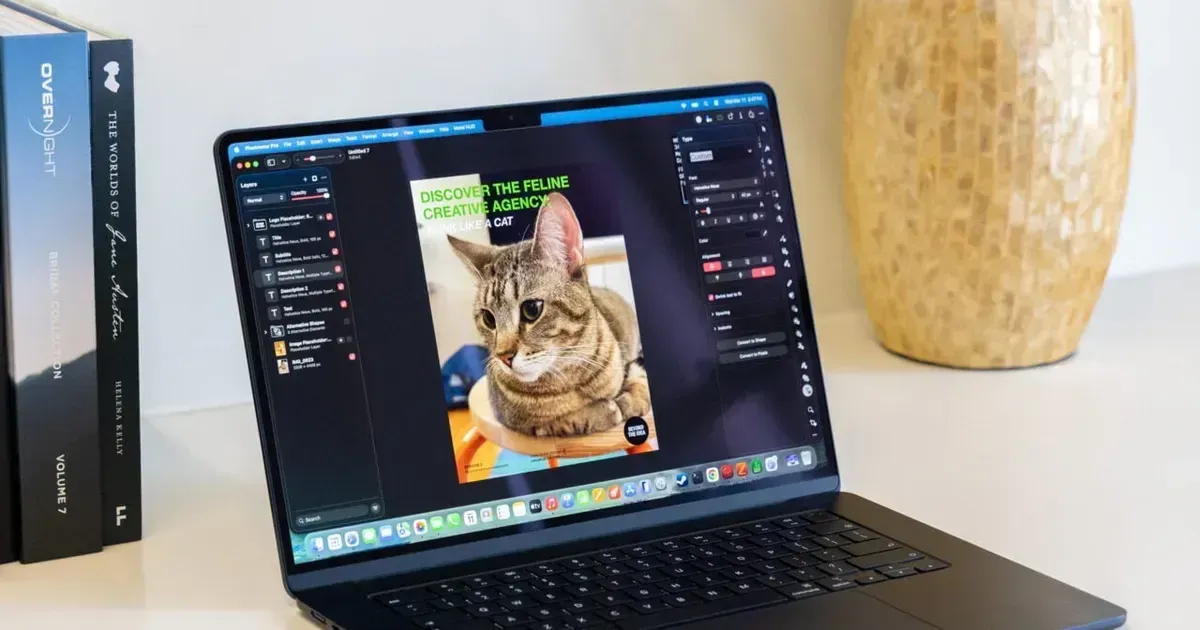
Apple found itself in a precarious position this week with the launch of the M5 MacBook Air. Reviewers at Gizmodo have labeled the device a laptop with middle child energy.
It sits awkwardly in a product lineup where the price gap between the entry-level machines and the Pro models is narrowing due to component inflation. Apple’s thinnest laptop remains a marvel of engineering, yet the value proposition has changed for the average user. Power users find the M5 chip impressive for most daily tasks.
Still, the memory constraints of the base configurations are becoming a liability in an era of memory-hungry software. Reviewers point out that better options exist both above and below this specific model. The previous M3 and M4 iterations remain capable for light work, while the M5 Pro series offers the thermal headroom and port selection that the Air lacks. This hardware is a gamble. Hardware enthusiasts are increasingly vocal about Apple's base memory offerings. With RAMaggedon looming, the decision to stick with lower memory ceilings on standard configurations looks increasingly out of touch with market realities. Rival manufacturers are also struggling, but some have opted to absorb costs to keep memory counts high. Apple, by contrast, continues to command a premium for every gigabyte added at checkout.
Supply Chains Under Strain
Samsung and HP are managing the same treacherous waters. Samsung, which manufactures its own memory modules, should theoretically have an advantage.
Yet the internal demand for its mobile and server divisions is cannibalizing the supply meant for consumer laptops. The Korean giant has had to prioritize high-margin enterprise contracts over the increasingly volatile PC market. Valve and Framework represent the other end of the spectrum.
Valve’s Steam Deck successor is reportedly facing delays as the company waits for component prices to stabilize. Framework, known for its modular and repairable laptops, has been forced to adjust its pricing strategy mid-cycle. These smaller entities lack the massive purchasing power of a firm like Apple, making them even more vulnerable to the whims of the International Data Corporation forecasts. Predictions for the holiday season are equally bleak. Analysts suggest that the typical back-to-school and end-of-year sales will be less aggressive than in previous years. Retailers cannot afford to slash prices when their replacement stock is costing them 15 to 20 percent more than it did six months ago.
What Buyers Should Watch
Tehran is now a variable that every Silicon Valley executive must consider. If the conflict in the Middle East continues to widen, the impact on global shipping will move from a nuisance to a catastrophe.
Most of the world's memory chips pass through regional hubs that are currently under threat of blockade or increased insurance premiums. Logistics experts are warning that the 11.6 percent drop projected by IDC might actually be a best-case scenario.
If the Iran situation leads to a prolonged closure of major trade routes, the hardware sector could see a total freeze in new product launches. This trend will likely continue. Manufacturers are looking for alternatives. Some are investigating new production facilities in North America and Europe, but these projects will take years to reach full capacity. For the next twenty-four months, the world remains dependent on a fragile supply chain that is currently being stretched to its breaking point.