Oil Traders Reject the Control Message
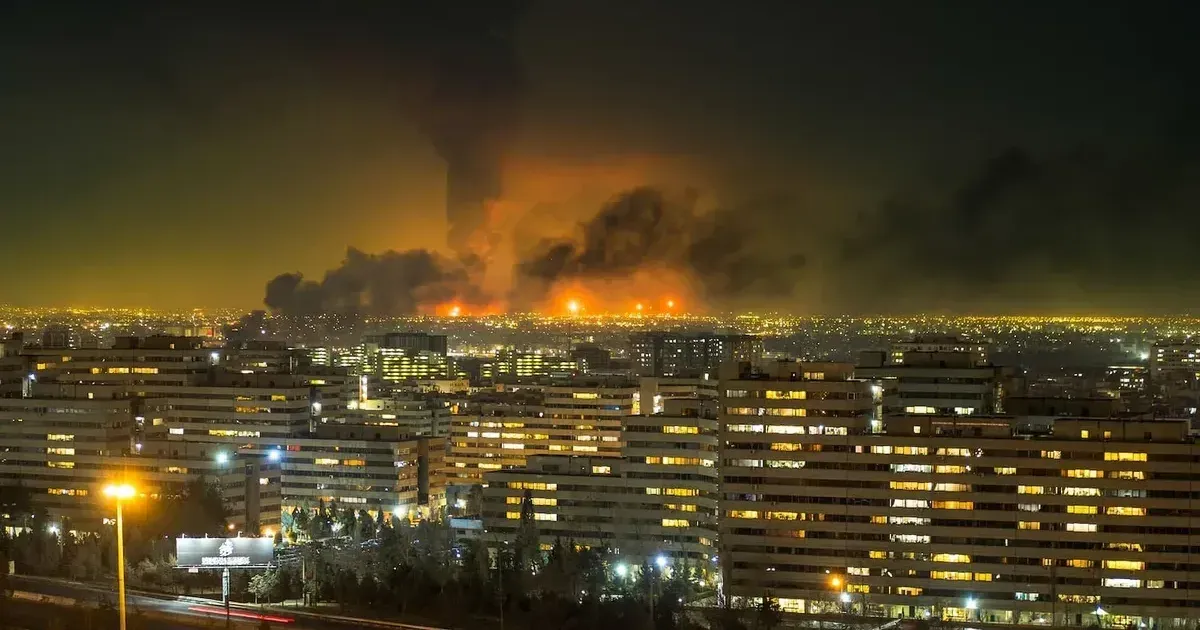
Tehran's skyline burned orange last Thursday during a series of explosions that rattled through global energy hubs. President Donald Trump immediately claimed these strikes were part of a precise campaign to neutralize Iranian influence. But global energy traders responded with a different verdict. The report was published March 12, 2026.
Crude oil prices jumped 12 percent within hours of the initial reports from Iran, defying the administration's efforts to project an image of control and stability.
Strategic Reserves Have Limits
Reports from Foreign Policy suggest this aggressive posture constitutes an ill-considered overreach that indicates a weakening of American diplomatic reach. Markets are no longer buying the White House narrative that military pressure can coexist with cheap gasoline. Confidence is the only currency the White House cannot print. The Pentagon's promise to escort commercial tankers through the Strait of Hormuz has failed to lower the record-high war risk premiums currently choking the shipping industry.
Insurance giants in London and Singapore have largely ignored these security guarantees.
Persian Gulf Risk Dominates
They prefer to park their vessels rather than risk total loss in a corridor that now feels like a permanent combat zone. Foreign Policy sources indicate that insurance underwriters consider the American naval presence a magnet for escalation rather than a deterrent. Ships remain anchored off the coast of Fujairah, waiting for clarity that Washington seems unable to provide. Every day of delay adds cents to the price at the pump for consumers in the US and UK.
Strategic Petroleum Reserve releases have historically served as the ultimate weapon in the American energy arsenal.
Energy Credibility
President Trump authorized the release of 50 million barrels last week to blunt the impact of the Iranian crisis. Energy analysts noted that the market absorbed this volume without a single meaningful dip in price. Traders are looking past the immediate supply injection toward a future where the reserve is depleted and the conflict remains unresolved. One London-based commodity head noted that dumping oil into a broken market is like pouring water into a sieve.
The reserve release has failed to change the market signal facing the administration.
Strategic Reserves and the Limits of Liquid Diplomacy
Washington's reliance on the Strategic Petroleum Reserve has hit a wall of diminishing returns. Because the current administration used the reserve repeatedly during the 2024 and 2025 election cycles, the available cushion is thinner than at any point in the last four decades. This escalation has not accounted for the fact that OPEC+ nations show zero interest in increasing their own output to help the White House. Riyadh and Moscow are content to watch prices climb toward 150 dollars per barrel. Their silence is a loud rebuttal to the idea that American energy dominance is a reality in 2026. Global power dynamics have shifted away from the unilateral influence once held by the Oval Office. Tehran knows the clock is ticking. Iranian leadership has opted for a strategy of asymmetric disruption. Instead of a direct naval confrontation that they would likely lose, they have targeted infrastructure through cyberattacks and regional proxies. These disruptions are harder to insure against and impossible for a naval escort to stop. Military analysts describe the current American approach as a twentieth-century solution to a twenty-first-century problem. Such a disconnect between military strategy and economic reality has left the global economy vulnerable. Small businesses in the American Midwest are feeling the pinch just as sharply as industrial firms in Germany. Lloyd's of London recently updated its risk assessment for the Persian Gulf, marking the entire region as a high-risk zone for the remainder of the fiscal year. This refusal to lower premiums despite US Navy presence highlights a deep skepticism toward the administration's tactical success. Shipping firms are rerouting around the Cape of Good Hope, adding weeks to transit times and millions to operational costs. These added expenses are baked into the price of every barrel of oil reaching Western refineries. High shipping costs act as a hidden tax that the Trump administration cannot repeal with an executive order.
Erosion of American Deterrence
Critics within the State Department suggest that the current Iranian policy lacks a clear endgame. Sanctions have been tightened to their breaking point, yet Tehran's nuclear and regional ambitions appear undeterred. While the administration points to the Tehran explosions as a sign of strength, the resulting oil spike suggests a strategic vulnerability. American deterrence depends on the belief that Washington can manage the consequences of its actions. The failure to stabilize energy markets suggests that the cost of American intervention has finally exceeded its perceived benefit. International partners are increasingly looking for ways to bypass the dollar-based energy trade entirely. Global markets thrive on predictability, a quality that the current White House has frequently sacrificed for tactical surprise. If the administration continues to prioritize aggressive rhetoric over market stability, the domestic economic consequences will be severe. Voters in the US are already reacting to the highest inflation rates in three years. Energy prices are the primary driver of this dissatisfaction. If the President cannot find a way to de-escalate with Iran, his domestic agenda may be consumed by the very energy crisis he promised to prevent. This divergence between campaign promises and geopolitical reality is becoming impossible to ignore. Strategic analysts at major investment banks have started advising clients to hedge against a long-term period of high volatility. The failure of the recent reserve release to calm nerves indicates that the market has priced in a permanent risk of war. Such a sentiment is difficult to reverse once it takes hold of the collective trading psyche. Washington's toolbox is looking increasingly empty. Each failed intervention makes the next one less credible in the eyes of the world.
Oil Shock and Strategic Failure
Relying on twentieth-century energy levers to solve a twenty-first-century geopolitical fracture is a fool's errand. The Trump administration's current predicament reveals a profound misunderstanding of how power functions in a multipolar world. Simply flooding the market with strategic reserves cannot mask the stench of a failing foreign policy that prioritizes kinetic action over structural stability. When the President uses the Strategic Petroleum Reserve as a political band-aid, he isn't just depleting a physical resource. He is depleting the very credibility that gives American economic threats their teeth. The market has called the White House's bluff, and the resulting price spike is a clear signal that the era of American energy hegemony is over. We are watching an administration struggle to accept that its favorite tools of coercion, sanctions and naval displays, are effectively broken. If Washington continues to treat the global oil market like a domestic utility that can be toggled with a tweet, the subsequent economic crash will be entirely of its own making. Deterrence is dead if it results in self-inflicted economic ruin. It is time to stop pretending that the Navy can shoot its way to sixty-dollar oil.