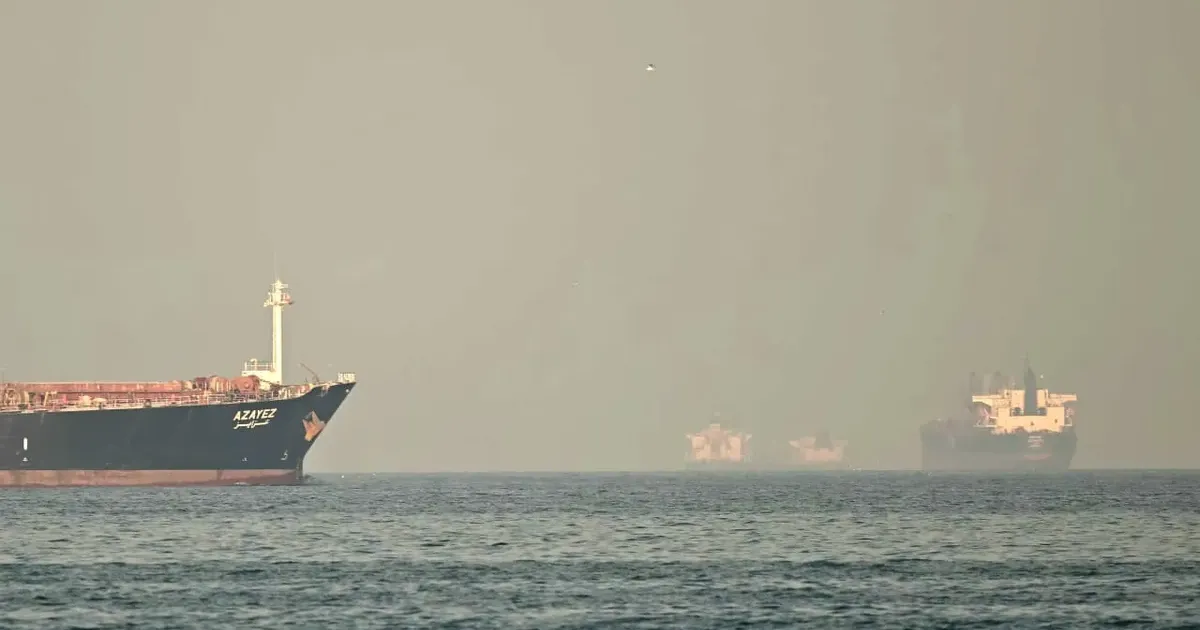
Goldman Sachs' 150-dollar oil scenario gives traders a concrete way to price the fear surrounding a wider Gulf disruption. The scenario became central to energy discussions as the Iran conflict raised questions about whether the Strait of Hormuz could remain fully open. By March 12, 2026, traders were treating 150 dollars per barrel as an extreme but no longer unthinkable stress case if maritime disruption worsened.
Goldman Sachs' warning that oil could reach 150 dollars is less a prediction than a map of what markets fear most.
Hormuz Defines the Scenario
The Strait of Hormuz matters because it concentrates energy flows through a narrow and politically exposed route. When that route looks vulnerable, oil markets do not wait for a full closure before repricing risk. A complete or sustained disruption would force buyers to compete for alternative cargoes, draw down inventories and adjust demand. That is the environment in which a severe price spike becomes plausible. The key phrase is Hormuz blockade risk. The risk does not need to become permanent to influence prices; it only needs to look credible enough for traders, insurers and refiners to change behavior.
A Forecast Can Move the Market
A bank scenario can affect markets because it gives traders a number around which to organize fear. Once a high-end estimate circulates, hedging desks and corporate buyers may act defensively. That does not mean Goldman is saying 150-dollar oil is inevitable. It means the market has a framework for measuring the cost of a severe disruption. The distinction matters. A risk scenario is not a base case, but risk scenarios can still move prices if the events behind them appear to be drawing closer.
Inflation and Currency Pressure
High oil prices would hit importers first. Countries that buy most of their energy abroad could face weaker currencies, higher subsidy burdens and more expensive transport. For consumers, the effects would arrive through fuel, freight and some food costs. For central banks, the problem would be whether an energy shock spills into broader inflation expectations. Emerging markets would face the hardest balance. They may need to protect households from fuel costs while also defending currency stability and fiscal credibility.
Geopolitics Becomes a Price Input
The oil market now depends on military and diplomatic signals as much as supply-demand tables. A single statement about shipping security can influence the premium attached to crude. If regional actors maintain limits and tankers keep moving, the most severe forecasts may fade. If attacks, inspections or threats increase, the market may price disruption faster than governments can calm it.
Hormuz Signals Will Decide the Shock
The practical indicators are tanker traffic, insurance rates, inventory draws, refinery buying and official language around maritime security. A sustained break in any of those signals would make the Goldman scenario feel more immediate. Stable flows would make it look like a warning rather than a destination. The danger of a high-end oil scenario is that it can become self-reinforcing. Buyers who fear a shortage may purchase earlier, companies may hedge more aggressively and traders may chase momentum, all of which can push prices higher. Governments can respond with strategic reserves, fuel-tax measures or diplomatic pressure on producers, but those tools have limits. They can smooth a shock; they cannot fully replace a major maritime artery if it becomes unreliable. For oil producers outside the region, the scenario creates opportunity and pressure. Higher prices improve revenue, but a global growth slowdown would eventually weaken demand and invite political backlash. The aviation and shipping sectors would be among the first to feel the squeeze. Fuel is a major cost, and sudden increases can force fare changes, route adjustments and tighter margins. Households would experience the shock less directly but more broadly. Fuel, delivery costs and energy-intensive goods can all become more expensive, especially if businesses believe the spike will last. The most important distinction is duration. A brief spike is disruptive; a sustained period near extreme levels can reshape inflation, consumer confidence and central-bank policy. That is why the market will watch not only the Strait itself, but the political language around it. Credible restraint can lower the premium; threats of closure can raise it immediately. Goldman's warning is therefore a market signal and a policy warning. It tells governments what kind of economic damage could follow if the conflict moves from military strikes to energy chokepoints. The scenario also affects diplomacy because energy consumers will pressure all sides to keep maritime routes open. Countries that are not central military actors may still become active diplomatic voices if their import bills rise sharply. China, India, Japan and European economies all have reasons to prevent a prolonged disruption. Their concern can create pressure for restraint even when public statements remain cautious.
The United States would face a difficult balance. It may want to deter Iran and protect allies, but it also has an interest in preventing an energy shock that damages global growth and domestic inflation. That tension can shape military signaling. Too little deterrence may invite more risk; too much visible escalation may convince markets that the worst-case scenario is approaching. Investors will watch whether officials describe Hormuz security as stable, contested or at risk. Those words can move prices because they shape expectations about future cargo flows. The larger economic danger is not a dramatic one-day spike. It is a sustained repricing of energy risk that forces companies, households and central banks to plan around a more expensive baseline.
A prolonged shock would also affect climate politics. High oil prices can accelerate interest in alternatives, but they can also create short-term pressure to expand fossil supply and shield consumers from pain. That tension makes the policy response difficult. Leaders may want long-term energy transition, yet voters facing high fuel costs often demand immediate relief. The Goldman scenario therefore sits at the intersection of geopolitics, inflation and energy transition. It shows how quickly a security crisis can reorder economic priorities. The closer prices move toward that scenario, the more governments will be forced to choose between market discipline and political relief for consumers.
The warning is useful because it clarifies the stakes. Oil at 150 dollars would not be only an energy story; it would be a global economic shock.